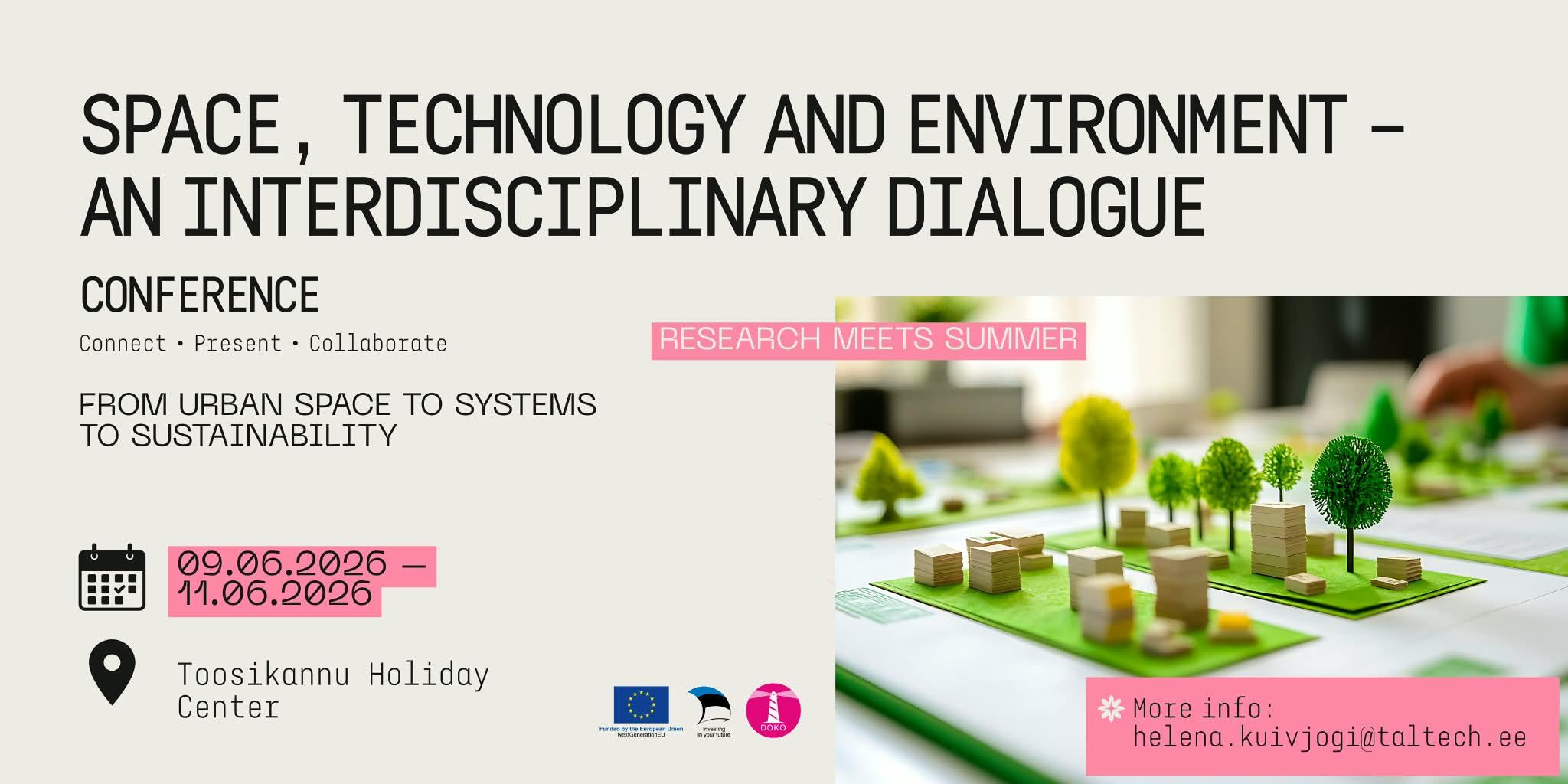
The three-day summer conference brought together doctoral candidates, master’s students, supervisors, researchers, and experts from across engineering and spatial disciplines. The conference provided a platform for presenting research, fostering interdisciplinary dialogue, networking, and engaging with broader societal and technological challenges. Each day focused on a core theme—Space, Technology, and Environment—covering topics ranging from urban and maritime spatial planning to AI-driven systems, sustainable construction, and climate performance.
The conference created valuable opportunities for participants from different universities and disciplines to share their research, exchange ideas, and build meaningful academic and professional connections. Through keynote presentations, panel discussions, research talks, and informal networking, participants engaged in inspiring conversations on the future of space, technology, and the environment in a collaborative and welcoming summer setting.
We would like to extend our sincere gratitude to all keynote speakers and panel discussion participants for sharing their expertise, insights, and perspectives. We also thank the PhD students whose research presentations and active engagement contributed to thoughtful discussions throughout the conference. Their enthusiasm, curiosity, and willingness to exchange ideas made the event a truly interdisciplinary and enriching experience for all involved.
Best presenters
We also recognized the best contributions at the conference.
Best Presentation:
The Best Presentation Award was presented to Jelena Kazak for her presentation, “A Wind Climate-Based Method to Streamline Multi-Direction Computational Fluid Dynamics Simulations for Pedestrian Comfort Assessment in Urban Environments.”
Best Poster:
The Best Poster Award was presented to Gints Dakša for his poster, “Energy Tariff-Aware Control of Wastewater Networks: Adaptive Scheduling of Sewer Pumping Stations Operating in Series.”
Pictures from conference
Photographer: Aaron Hakkaja
PROGRAMME
Each day of the conference starts with an intriguing keynote lecture from an expert in space, technology, or environmental topics, followed by engaging presentations and poster sessions by doctoral candidates. The program concludes with a panel discussion, which wraps up the day and leads into evening social activities and networking.
This day focuses on how cities and spaces are planned, designed, and managed – bringing together urban policy, architectural innovation, maritime and spatial infrastructure, and smart digital systems.
The organisers will provide transportation from Tallinn & Tartu to the venue on the morning of Day 1.
Conference programme:
| Time | Session | Presenter name | Topic |
|---|---|---|---|
| 08:00 | Buses from Tallinn/Tartu to Toosikannu | ||
| 09:40 | Coffee and snack | ||
| 10:00 | Conference opening | ||
| 10:30 | Keynote | Karin Bachmann | |
| PRESENTATIONS | |||
| 11:00 | Smart Urban Systems | Laura Mrosla | Structural Integration and Dynamic Modelling of Biodiversity in Urban Digital Twins |
| 11:10 | Christopher-Robin Raitviir | Integrating BIM and GIS through Spatial Planning Information Model | |
| 11:20 | Pille-Riin Peet | An NLP-based Methodology to Transform Building Permit Review Comments Into Quantotative Metrics | |
| 11:30 | Kris-Robin Sirge | Effect of winter ice cover on machine-learning prediction of an online enzyme-based E. coli proxy signal in an urban water body: the case of Anne Canal, Estonia | |
| 11:40 | BREAK | ||
| 11:50 | Urban & Spatial planning | Mahdi Rasoulinezhad | Counterintuitive Dynamics in Urban Complex Systems |
| 12:00 | Olli Jakonen | Does Virtual Work Decentralize Cities? Intra-Urban Neighborhood Preferences of Software SMEs - The Case of Tallinn, Estonia | |
| 12:10 | Kofoworola Osunkoya | Proximity vs Presence: Rethinking the 15-Minute City | |
| 12:20 | Kerta Kõiv | Integrated Approach to Nature-Based Solutions Planning: Multifunctionality, Smart Elements, and Lifecycle Management | |
| 12:30 | Irena Atkovska | Spatial characteristics of urban agriculture in urban morphological context through the analysis of community gardens in Tallinn, Estonia | |
| 13:00 | Lunch | ||
| 14:00 | POSTER SESSION | ||
| 14:00 | Urban & Spatial planning | Juulia Aliide Salulaid | Urban Production and Planning Flexibility: Community Gardens in Tallinn's Regulatory Framework |
| Blaise Nkubiyaho | Rethinking Food Access in 15-Minute Cities: The Role of Pedestrian Network Hierarchy in Tallinn, Estonia | ||
| Socio-Spatial Systems & Urban Governance | Mariliis Niinemägi | Rethinking Spatial Barriers: the Affective Production of Space in Nature-Based Solutions | |
| Kaidi Põldoja | Building Through Non-Building: A New Paradigm for Spatial Innovation (Case Study: Tallinn Pollinator Highway) | ||
| Hana Gaera | Looking Back to Look Forward: The Case of Pollinator Highway | ||
| Architecture & Design Innovation | Helmi Marie Langsepp | Structures for Seasons: Environmental and Material Agency in Early-Stage Design | |
| 14:45 | Hawke Gihm | Feasible design space under carbon limits: Embodied carbon thresholds and building design diversity in the Estonian building stock | |
| Smart Urban Systems | Paul Schütz | Automated Unmanned Aerial Vehicle (UAV) Based Condition Assessment of Blue-Green Infrastructure: Application to Green Roofs | |
| Maritime & Spatial Infrastructure | Md Al amin Khan | Smart trap for optimising costal fisher’s fishing process | |
| Aleksei Kupavõh | Reconstruction of the ship vertical position based on the expected sea level and Time-Differenced Carrier Phase of GNSS signal | ||
| Tarmo Sahk | Simulation model development For Ship Crashworthiness assessment | ||
| PRESENTATIONS | |||
| 15:30 | Socio-Spatial Systems & Urban Governance | Francesco Tonnarelli | Data, Technology, and Contextual Adaptation in Urban Digital Transitions |
| 15:40 | Sara Thabit Gonzalez | Public Value Governance in Smart Cities | |
| 15:50 | Farah Elbehairy | Building Capacity for Smart City Transitions: Municipal Innovation Roles in AI Governance | |
| 16:00 | Architecture & Design Innovation | Ioannis Lykouras | How do material spaces influence sustainability transitions? |
| 16:10 | Ülar Palmiste | A modular dilution model for predicting dispersion from wall-mounted ventilation exhaust outlets | |
| 16:20 | Jelena Kazak | A wind climate-based method to streamline multi-direction Computational Fluid Dynamics simulations for pedestrian comfort assessment in urban environments | |
| 16:30 | Hanna Vikberg | Delightful Daylighting: Describing the Experience of Daylighting in Nordic Homes and Coupling it with Quantitative Assessments | |
| 16:45 | Panel discussion | K. Bachmann, J. Tintera, L. Sarv | |
| 18:00 | Dinner (in grill house near lake) | ||
| 19:00 | Social programme (art and chill with DoKo; tours in the forest) | ||
| 21:00… | Sauna | ||
This day brings together AI, modeling and simulation, smart digital systems, advanced building and energy technologies, and innovative engineering materials to explore how data-driven tools and technologies are transforming engineering design, performance, and resilience.
Conference programme:
| Time | Session | Presenter name | Topic |
|---|---|---|---|
| 07:30 | Breakfast | ||
| 09:00 | Intro and remarks of Day 2 | ||
| 09:10 | Keynote | Sander Sein | Dealing with the unknown - how a civil engineer helps to bring novel disruptive technology into reality? |
| PRESENTATIONS | |||
| 09:40 | Materials, Durability & Experimental Methods | Muhammed Adil YATKIN | Machine Learning-Based Surrogate Modeling for Path-Dependent Damage Prediction in Finite Element Simulations |
| 09:50 | Kristina Vilba | Ultrasonic Wave Propagation for Assessing Freeze-Thaw Damage in Partially Saturated Plasters | |
| 10:00 | Henri Olak | The Statistics of Damage and Degradation of ETICS facades of renovated apartment buildings in Estonia | |
| 10:10 | Data-Driven Energy Performance Assessment | Sofia Vasman | Data-driven methods for non-residential building energy performance evaluation |
| 10:20 | Helena Kuivjõgi | Implementing the data-driven and simulation-based operational EPB assessment methods in a multi-use commercial buildings | |
| 10:30 | Component & System Modelling for Building Performance | Jevgeni Lukastsuk | Cooling system sizing in Nordic office nZEBs under CO₂-based DCV: interaction of precooling strategies and terminal units (ACB vs radiative panels) |
| 10:40 | Building Representation, Archetyping & Input Data | Hans Kristjan Aljas | A DECOUPLED ARCHITECTURE FOR DIGITALLY ACTIONABLE AND TRACEABLE REGULATORY WORKFLOWS IN THE AEC SECTOR |
| 11:10 | POSTER SESSION | ||
| 11:00 | Building Representation, Archetyping & Input Data | Alok Rawat | AI Agent-Based Automation and Neuro-Symbolic AI in Construction Management |
| Component & System Modelling for Building Performance | Kätriin Onemar | Experimental and Simulation-Based Evaluation of Underfloor Cooling for Overheating Prevention in Residential Buildings | |
| Renate Jaanus | Ventilation Effectiveness in Hospital Patient Rooms: Chilled Beams, Curtains and Extract Locations | ||
| Digitalisation, Smart Systems & Maritime Infrastructure | Tanel Kerstna | A Data-Centric Digital Twin Architecture for Autonomous Surface Vessels | |
| Margus Räim | Sensor fusion for improved reliability of MASS: data compensation and correlation | ||
| Vedat Mert Asan | Uncertainty-Aware Ship Motion Prediction for Risk-Sensitive Maritime Autonomy | ||
| 12:00 | Angela Sooba | The need to update COLREGs in the context of technological development through Engineering Solutions for Autonomous and DP vessels | |
| Materials, Durability & Experimental Methods | Merli Tamme | 'Comparative Study of GFRP and Fibre Reinforced Elements in Relation to Conventional Reinforced Concrete'' | |
| Francisco Tienda Resendez | Development of a 3D ultrasound tomography for mechanical characterization of reclaimed timber | ||
| Maarja Kauniste | Assessing Local Stiffness Variation in Reclaimed Timber Beams for Improved Visual Grading | ||
| Kristo Paalandi | Assessment of Layer Thickness and Compressive Strength of Existing Precast Concrete Sandwich Panels | ||
| Jane-Ly Tammekivi | Microstructure based interpretation of freeze-thaw durability - linking cement composition, AVA parameters and concrete performance | ||
| Jane Liise Vihmann | PERFORMANCE OF BOND LINES IN DIFFERENT FIRE RELATED SMALL-SCALE TESTS | ||
| 13:00 | Lunch | ||
| PRESENTATIONS | |||
| 14:00 | Building Representation, Archetyping & Input Data | Alois Andreas Põdra | Comparative Methods of Window Geometry Estimation for Renovation Passports of Detached Houses |
| 14:10 | Rain Martin Torpats | Air leakage in historic windows: Effects of technical condition, sealing methods, and air leakage prediction model | |
| 14:20 | Karl-Villem Võsa | Characterising Air-to-Water Heat Pump Performance from European Keymark Certification Data: A Population-Level COP Model for Building Energy Simulation | |
| 14:30 | Elisa Iliste | Automated Building Classification for Urban Level Building Analysis | |
| 14:40 | Fariha Harun | From Static to Dynamic: A Data-Driven Archetyping Framework for UBEM | |
| 14:50 | Hamidreza Zarrinkafsh | Data integration and simulation in urban digital twins for the support of planning, collaborative processes and citizen participation | |
| 15:00 | BREAK | ||
| 15:10 | Energy Systems, Electrification & Infrastructure Performance | Saqib Ali | Cyber-Physical Security of DC Microgrids |
| 15:20 | Hesham Ali | Multi-year hourly optimisation of electrification pathways in district heating and cooling | |
| 15:30 | Pradeep Kumar Gupta | Weather Impact on Corona Losses of Estonian 330 kV Overhead Transmission Lines | |
| 15:40 | Digitalisation, Smart Systems & Maritime Infrastructure | Maarius Utso | Do Ferries Maintain the Channel? Sediment Redistribution in a Shallow Ferry-Dominated Waterway |
| 15:50 | Murat Kilic | Intelligent motion control system for maritime autonomous surface ships | |
| 16:30 | Panel discussion | S. Sein, J. Kurnitski, K. N. Mäger | |
| 18:00 | Dinner | ||
| 20:00 | Concert: Band Pepper Sauce | ||
This day brings together sustainable construction, circular materials, water and pollution management, energy and climate performance, and environmental assessment to explore solutions for creating resilient, low-impact, and well-governed built and natural environments.
Initial programme:
| Time | Session | Presenter name | Topic |
|---|---|---|---|
| 07:30 | Breakfast | ||
| 09:00 | Intro and remarks of Day 3 | ||
| 09:10 | Keynote | Kimmo Lylykangas | |
| PRESENTATIONS | |||
| 09:40 | Water systems & aquatic environments | Yaroslav Kobets | Low-flow patterns and hydrological regionalisation across the Baltic Sea basinBaltic Sea basin, low-flow, hydroclimatic variability |
| 09:50 | Kristjan Suits | Water-quality based management of smart urban drainage systems | |
| 10:00 | Ayankoya Yemi Ayankunle | Beyond quantification: advancing scalable microplastic control in wastewater treatment | |
| 10:10 | Enviornmental Assessment and LCA | Payam Madelat | Computational pathways for early-stage life cycle assessment in architecture |
| 10:20 | Susmita Banerjee | Attributional life cycle assessment of dried yeast and yeast derivatives | |
| 10:30 | Kädi-Riin Vendel | Renovation ambition vs capacity: quantifying resource demand in Estonia's apartment building stock | |
| 10:40 | POSTER SESSION | ||
| 10:40 | Water systems & aquatic environments | Heiko Heitur | The role of integrated multi-trophic aquaculture (IMTA) in increasing productivity and reducing environmental impacts |
| Sneha Pal | Detection and recognition of biological sounds (grey seal vocalisations) | ||
| Enviornmental Assessment and LCA | Marija Klõga | Integrating LCA and circularity metrics in wood products | |
| German Duran | Structured assessment of construction and demolition waste management in Estonia and future LCA development | ||
| Muhammad Mubasher | Risks in the transition to circular economy in the construction sector | ||
| Taavi Tamm | Development of a holistic risk assessment methodology for pollution collection planning within offshore wind farms | ||
| 11:20 | Daniel Nuñez | Development of digital Smart City solutions for modelling and evaluating urban-scale energy systems | |
| Circular construction & material reuse | Ingrid Viskus | Krulli Kasvuhoone: A Case Study of Building Component Re-use and Design Process | |
| Jürgen Tammepärg | Influence of grinding fineness of recycled calcium silicate masonry on cement mortar properties | ||
| Monitoring | Daniel Tootsman | Compilation of Estonian Technical Guidance for Drainage Systems Outside Buildings | |
| Getter Matto | Quantifying Marine Methanol Regulation: Linking Fuel Composition, Technical Constraints, and Emission Metrics | ||
| Gints Dakša | Energy Tariff-Aware Control of Wastewater Networks: Adaptive Scheduling of Sewer Pumping Stations Operating in Series | ||
| PRESENTATIONS | |||
| 12:00 | Circular construction, material reuse & industrial symbiosis | Nele Rogenbaum | From waste heat to bankable tomatoes: environmental technologies and inter-actor value creation in greenhouse-integrated industrial symbiosis |
| 12:10 | Hannes Praks | Beyond gypsum and cement: Estonian clay and the case for healthy buildings in the low-carbon era | |
| 12:20 | Juha Päätalo | Hydrothermal performance of prefabricated light earth–timber wall elements | |
| 12:30 | CO₂, carbonation & sustainable materials | Anneliis Muravleva | CO₂ binding in lime-based plaster systems |
| 12:40 | Pavlo Lyshtva | Biodegradable films for sustainable packaging (PLA & PHBV compostability) | |
| 13:00 | Lunch | ||
| 14:00 | CO₂, carbonation & sustainable materials | Mattias Põldaru | (The Lack of) Thermal Performance of “Thermal-insulating and Heat-reflective” Paints for Building Applications |
| 14:10 | Climate change adaptation & building performance | Siim Lomp | The impact of climate change on undisturbed ground frost depth in Estonia |
| 14:20 | Environmental education & data monitoring | Marie Johanna Univer | Digital spaces in a physical classroom: from abstract spaces to concrete places (GIS & climate change education) |
| 15:15 | Panel discussion | K. Lylykangas, V. Voronova, K. Lill | |
| 16:15 | Conference summary and closing words | ||
| 17:00 | Buses to Tallinn/Tartu | ||
The organisers will provide transportation back to Tallinn & Tartu from the venue on the evening of Day 3.
KEYNOTE SPEAKERS AND DISCUSSION PANEL EXPERTS
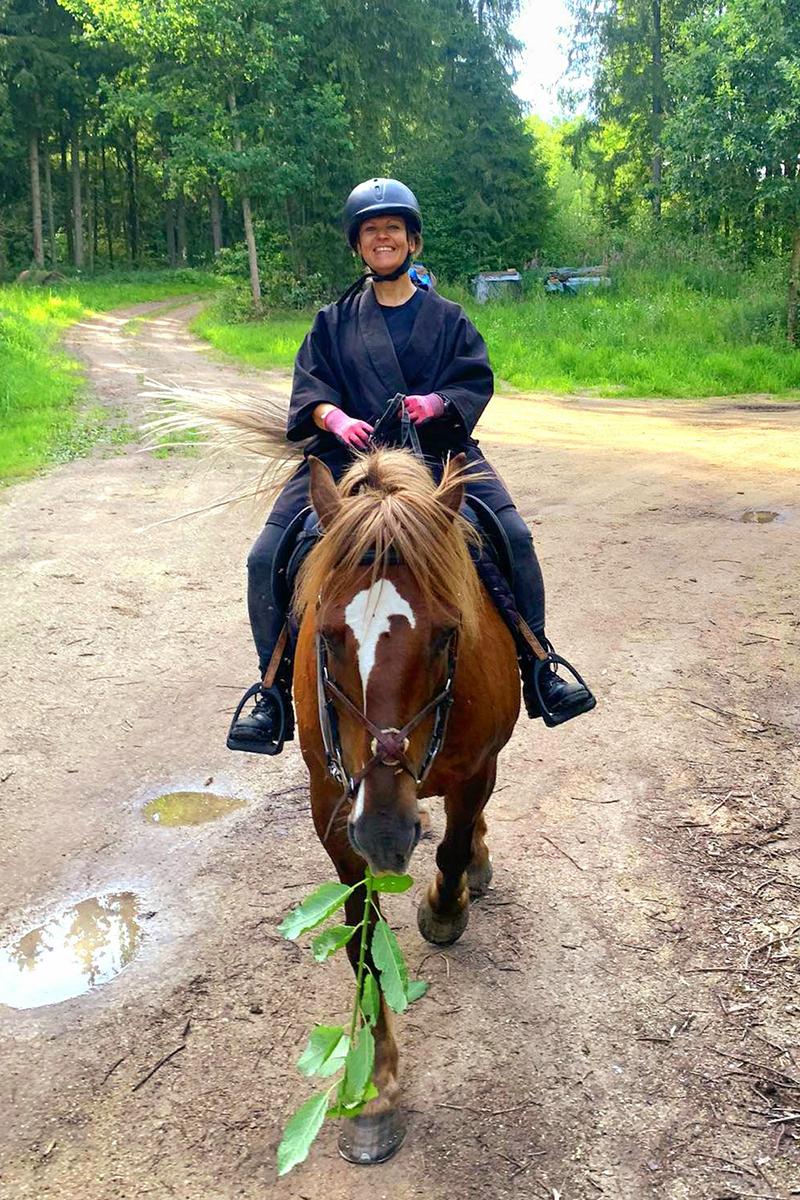
| KEYNOTE SPEAKER | Karin Bachmann The keynote speaker of the SPACE-themed day is Karin Bachmann – an Early-Stage Researcher at the Estonian Academy of Arts and a practicing landscape architect at Kino. Her work focuses on urban nature and strategies for increasing biodiversity in cities. In recent years, her research and professional practice have expanded to include material reuse and the role of soils in sustainable urban environments. |
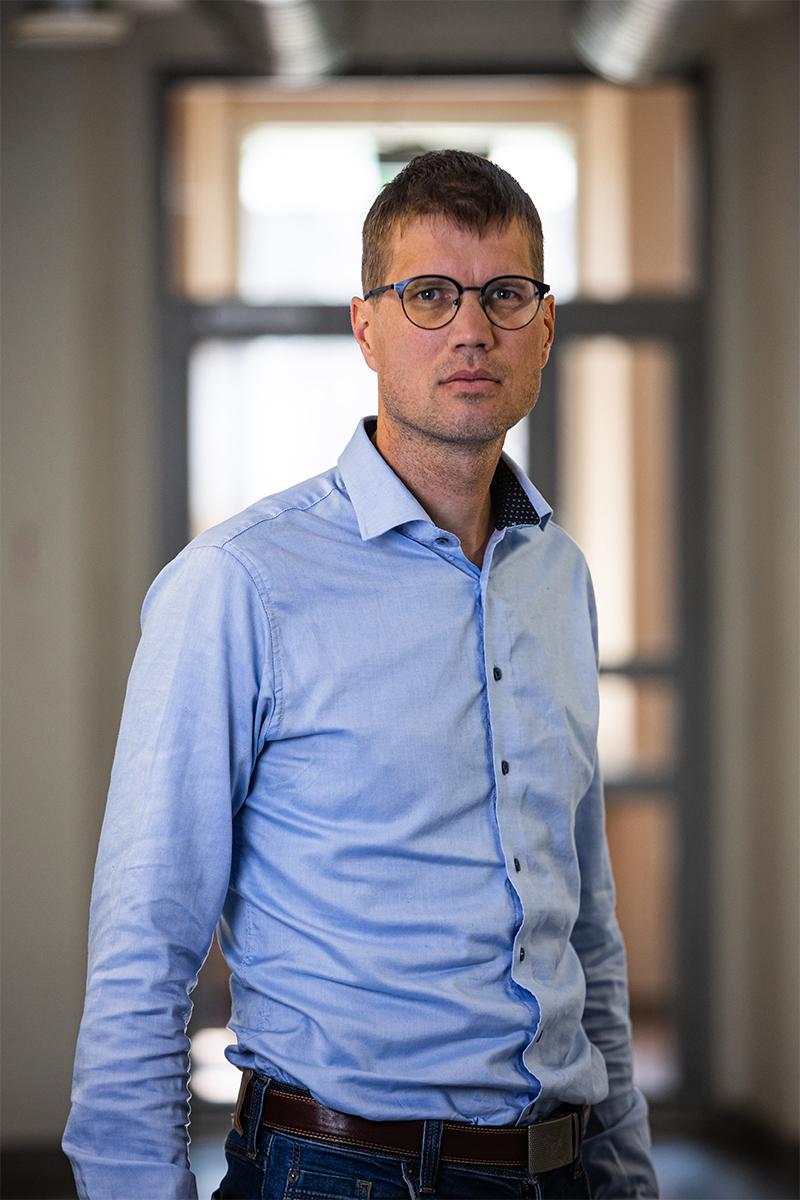
| DISCUSSION PANEL EXPERT | Jiri Tintera Jiri Tintera, authorized architect-expert, Tartu city architect, senior lecturer at Taltech Tartu College. He did his master's degree in the Czech Technical University in Prague (2007) and doctoral degree in Tallinn University of Technology (2019). His Doctoral thesis was entitled "Revitalization of the living environment of shrinking cities using the example of the city of Valga". In 2013-2023, he worked as a municipal architect in the Valga municipal government. |

| DISCUSSION PANEL EXPERT | Lill Sarv Lill Sarv is a Professor of Future Cities at Tallinn University of Technology. She defended her PhD in 2010 at the University of Bari Aldo Moro, Italy, with the thesis “Beyond Sustainability: A Semioethical Critique”. As a recognized expert in urban studies, her work focuses on designing just and inclusive urban environments. She is interested in developing high-quality and forward-looking urban space through urban interventions and participatory design together with residents. In her work, she has also been involved in applying New European Bauhaus values in urban space development. |
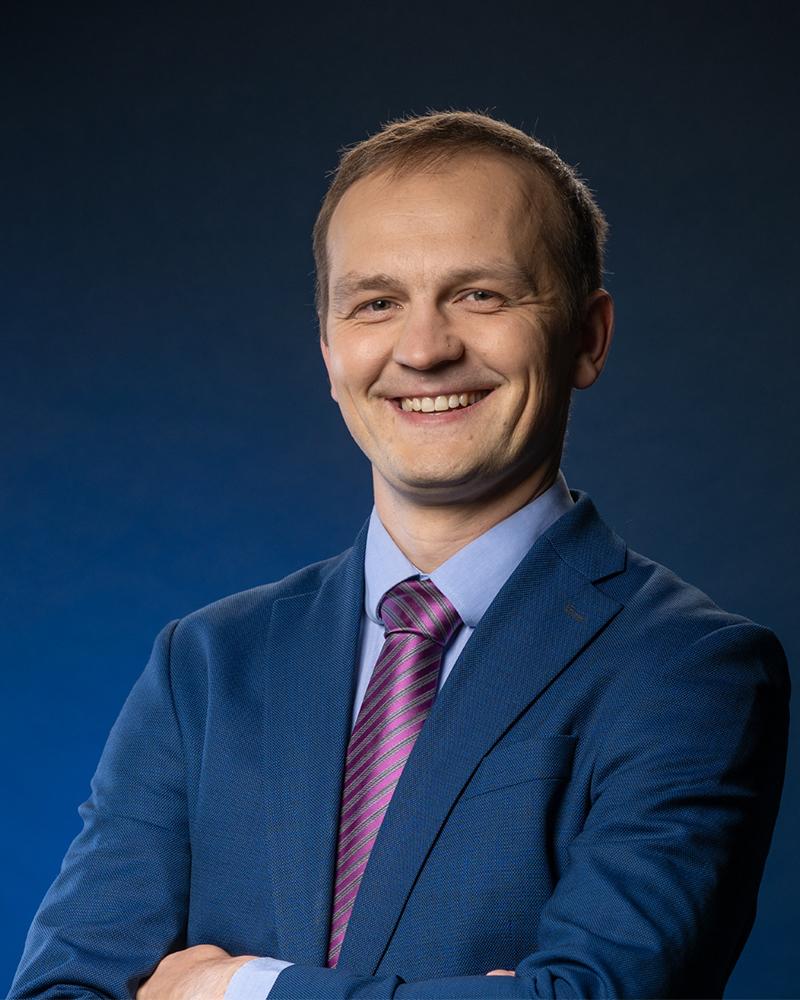
| KEYNOTE SPEAKER | Sander Sein The keynote speaker of the TECHNOLOGY-themed day is Sander Sein, PhD, in the field of Construction and Architecture. He is a mission-driven engineer focused on building assessment and sustainable decision-making, developing technologies and ensuring data reliability through management systems. |

| DISCUSSION PANEL EXPERT | Prof. Jarek Kurnitski Professor Jarek Kurnitski is one of Europe’s leading experts in energy performance of buildings, known for bridging scientific research, standardisation, and policy implementation. He leads the Nearly Zero Energy Buildings (NZEB) research group operating at Tallinn University of Technology, Estonia and Aalto University, Finland. He is also leading Estonia’s Center of Excellence in Energy Efficiency ENER (2024–2030), and previously coordinated the Energy Programme of SITRA, Finland’s Innovation Fund. Prof. Kurnitski has played a pivotal role in developing building stock calculation frameworks and national energy performance regulations in both Estonia and Finland. His work has shaped technical definitions and system boundaries for NZEB being an active contributor to CEN standardisation (notably TCs 156, 89, 228, and 371), and co-authoring key WHO and REHVA guidance on indoor environmental quality (IEQ) and healthy, low-energy buildings. |
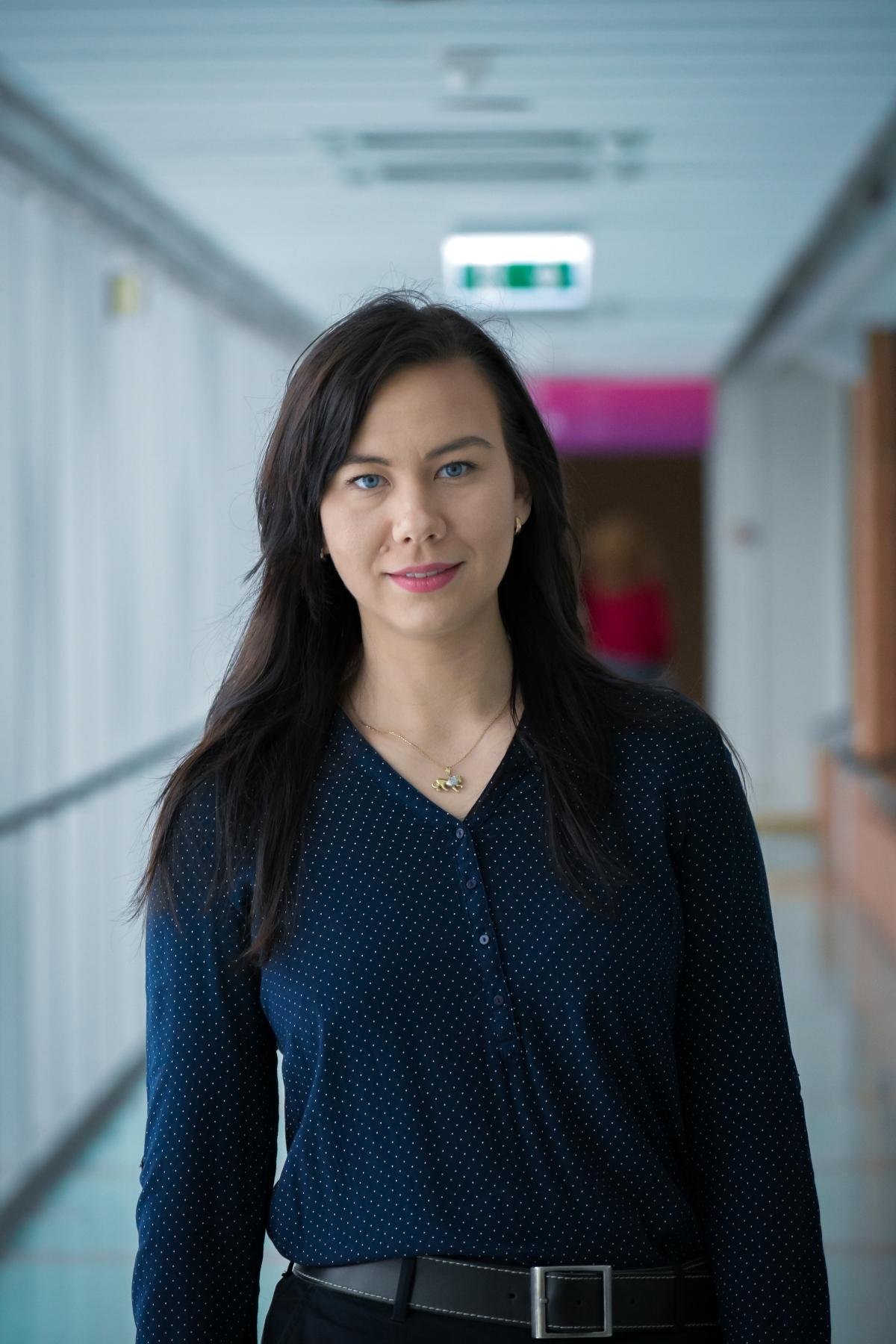
| DISCUSSION PANEL EXPERT | Katrin Nele Mäger Katrin Nele Mäger is an expert at the Department of Civil Engineering and Architecture at Tallinn University of Technology. She earned her PhD in civil engineering, developing a calculation model for the fire resistance of innovative timber structures. The results of her research have contributed to updates of the next generation of Eurocode 5, Part 1-2. Her research focuses on modeling the properties of construction materials and the performance of structures in fire situations. In addition to her research work, she teaches physics at a high school and the course “Introduction to Civil Engineering,” supporting the development of young people’s interest in technology and engineering fields. |
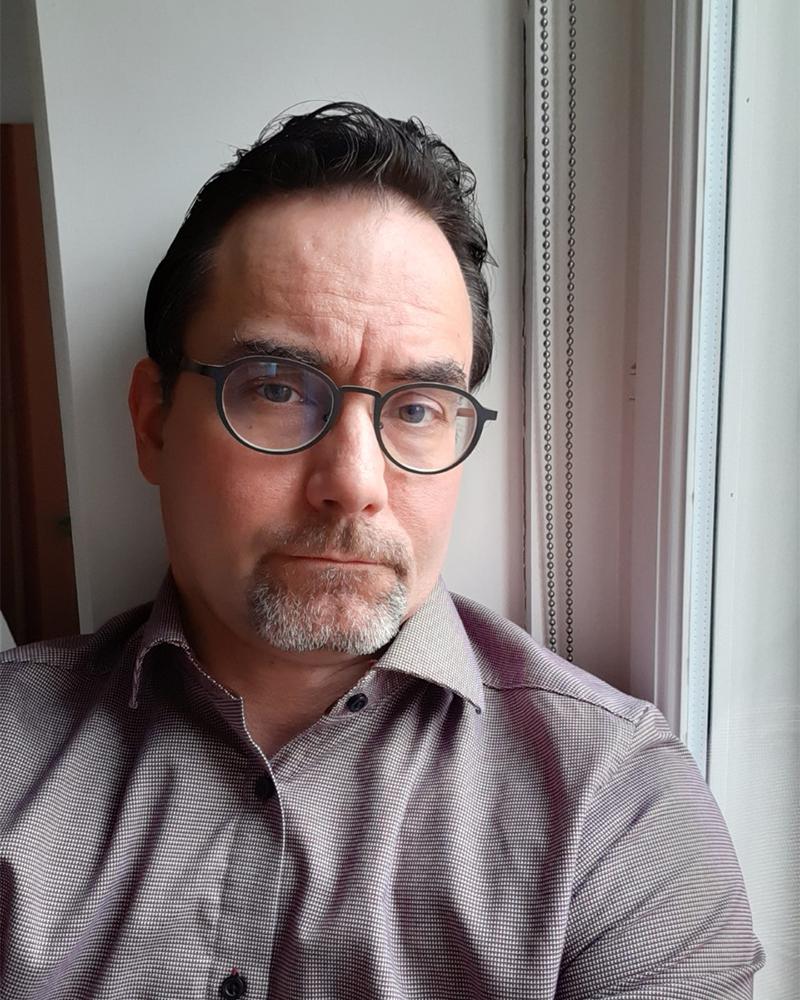
| KEYNOTE SPEAKER | Prof. Kimmo Lylykangas The keynote speaker of the ENVIRONMENT-themed day is Professor Kimmo Lylykangas. He is a Finnish architect who has worked as Professor of Architecture and Head of the Academy of Architecture and Urban Studies at Tallinn University of Technology, Estonia, since 2018. His projects have received international awards in the field of energy-efficient architecture. Currently, his research team is working on the decarbonisation of buildings and on related greenhouse gas quantification methods at subnational scales. |
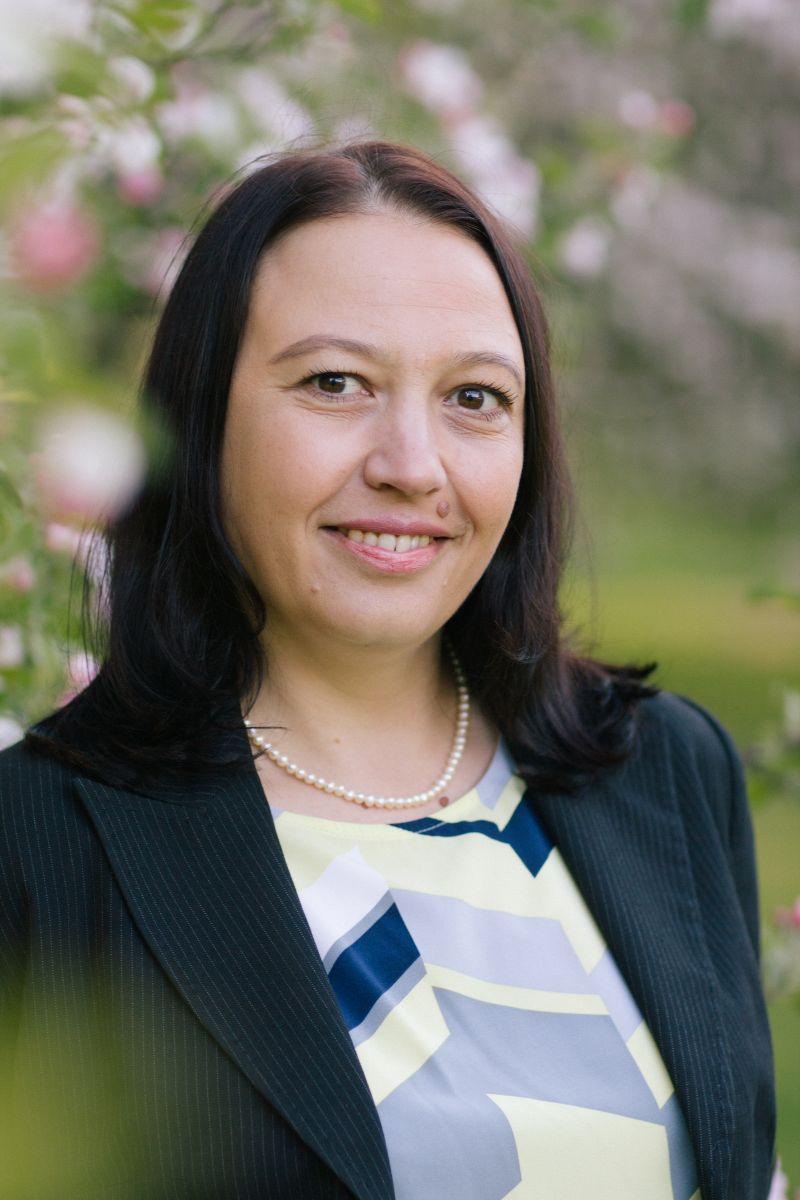
| DISCUSSION PANEL EXPERT | Viktoria Voronova Dr. Viktoria Voronova is an expert in life cycle assessment (LCA) and sustainable waste management. She teaches the course “Life Cycle Assessment” and conducts LCA calculations for various products within national and international projects. Dr. Voronova also supervises several Master’s and PhD students in this research area. |

| DISCUSSION PANEL EXPERT | Kristjan Lill Kristjan Lill is the Assistant Professor of Road Engineering at TalTech. He is the first road engineering PhD candidate to receive his PhD at TalTech after more than 20 years. He was the laboratory manager of the Laboratory of Roads and Traffic for 10 years and has participated in numerous road engineering materials related projects, many of which have been sustainability related. |
GUIDELINES FOR PhD CANDIDATES:
PhD candidates are invited to present a recent research project or scientific finding in their presentation/poster. The aim of the presentation is to share the outcomes of your research in a way that enables fellow doctoral students to gain an overview of your research focus and fosters further academic collaboration. Given the interdisciplinary nature of the conference, presenters are asked to ensure sufficient clarity and context so that doctoral students from other fields can also understand the topic being addressed.
The Best Presentation and Best Poster awards will be announced at the conclusion of the conference.
There are two ways to present your research at the conference: oral presentation and poster presentation.
| PRESENTATION |
|---|
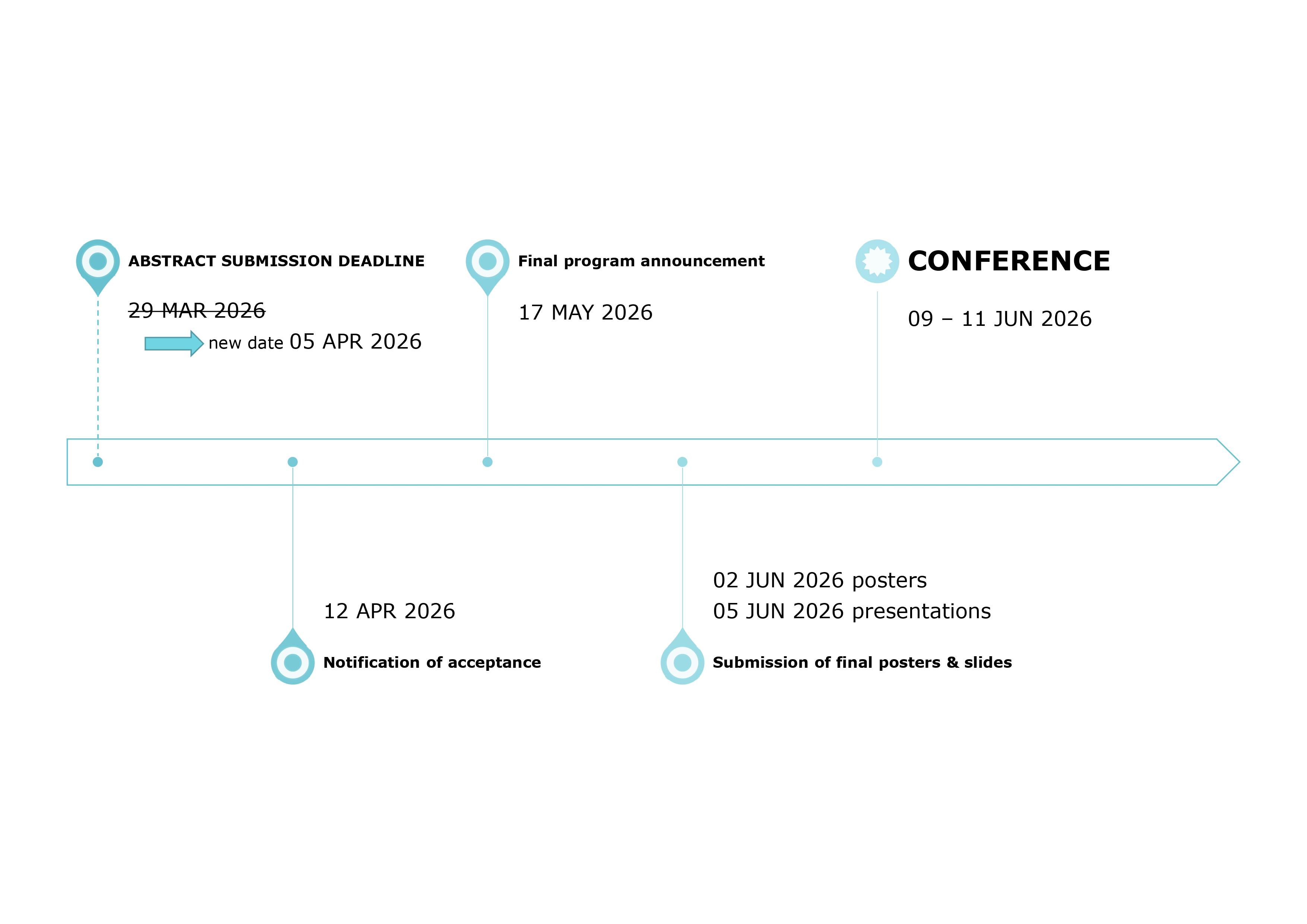
An oral presentation requires prepared slides in PowerPoint. The presentation length is 7-8 minutes, leaving 2-3 minutes for audience questions. The suggested structure of the presentation: title, problem description, method, results, conclusion/outcome. File format: .ppt with 16:9 ratio Submission of final presentations: no later than 5 June 2026 (not possible to change after) Submission address: [email protected] |
| POSTER SESSION |
|---|
A poster presentation will be held in an electronic format, presenting posters on screens during designated times each day of the conference. We have 1 hour poster session including two 30 minutes subsessions each day, during which each doctoral candidate gives a presentation lasting 5–6 minutes and is available for the remaining time (30 min) to answer questions from interested auditorium. The suggested structure of the poster: title, problem description, method, results, conclusion/outcome. Poster format:
Submission of final poster: no later than 2 June 2026 (not possible to change after) Submission address: [email protected] |
REGISTRATION LINK: Registration: SPACE, TECHNOLOGY AND ENVIRONMENT – PhD Conference 2026 – Fill in form
The organisers will remind you to send the final files.
TOPIC DESCRIPTIONS
Space 09 June 2026
Urban & Spatial Planning | Policies, vitality, and sustainable development of settlements |
Architecture & Design Innovation | Design quality, morphology, and adaptation to climate |
Maritime & Spatial Infrastructure | Ports, waterways, and maritime spatial planning |
Smart Urban Systems | Digital urban twins, mobility, and city data |
Technology 10 June 2026
AI, Modeling and simulations | Data-driven, ML, and simulation methods in engineering and design |
Smart Systems and Digital Twins | Integration of digital systems for monitoring and control |
Building & Energy Technologies | Advanced energy, HVAC, and automation systems |
Engineering Materials & Structures | New materials, crashworthiness, and structural analysis |
Environment 11 June 2026
Sustainable Construction & Circular Materials | Life-cycle thinking and reuse in the built environment |
Water & Pollution Management | Urban drainage, pollution control, and ecosystem health |
Energy & Climate Performance | Building physics, low-carbon solutions, and resilience |
Environmental Assessment & Policy | LCA, metrics, and governance for sustainability |
CONFERENCE TIMELINE
ORGANISING TEAM
Madis Ratassepp – Senior Researcher, Programme Director
Ene Pähn – Assistant to Manager
Helena Kuivjõgi - Early Stage Researcher, Member of the Senat, Member of the Scientific Committee
Francisco Tienda Resendez - Early Stage Researcher
Jelena Kazak - Early Stage Researcher
Project "Cooperation between universities to promote doctoral studies" (2021-2027.4.04.24-0003) is co-funded by the European Union.