
What happens when a student joins an entrepreneurship programme without an idea or a team, but leaves with a functioning startup?
For TalTech student Joonas Parre, that became a reality. Within a few months, an idea born in the IGNITER programme grew into Vivia, a solution that helps older adults take their medication on time, provides an AI-powered companion, and gives family members an overview of how their loved one is doing.
In just a few months, the team has reached its first users in Mexico, built a working prototype, and attracted interest from both care institutions and local municipalities.
A solution born from personal experience
The idea was brought to the table by one of the co-founders, Alondra Lopez, who worked for years as a physician in Mexico and as a caregiver in Ireland. Through her work, she repeatedly saw how difficult it can be for people with chronic illnesses to consistently manage their medication and how much responsibility this places on family members.
“She had seen this problem repeatedly in her work, and that’s where we started moving forward,” said Parre.
To understand whether this was a widespread issue, the team decided to ask people directly.
“Our very first Facebook post received responses from more than 200 people who said this was a problem they deal with in their daily lives.”
This confirmed that there was a genuine need for such a solution.
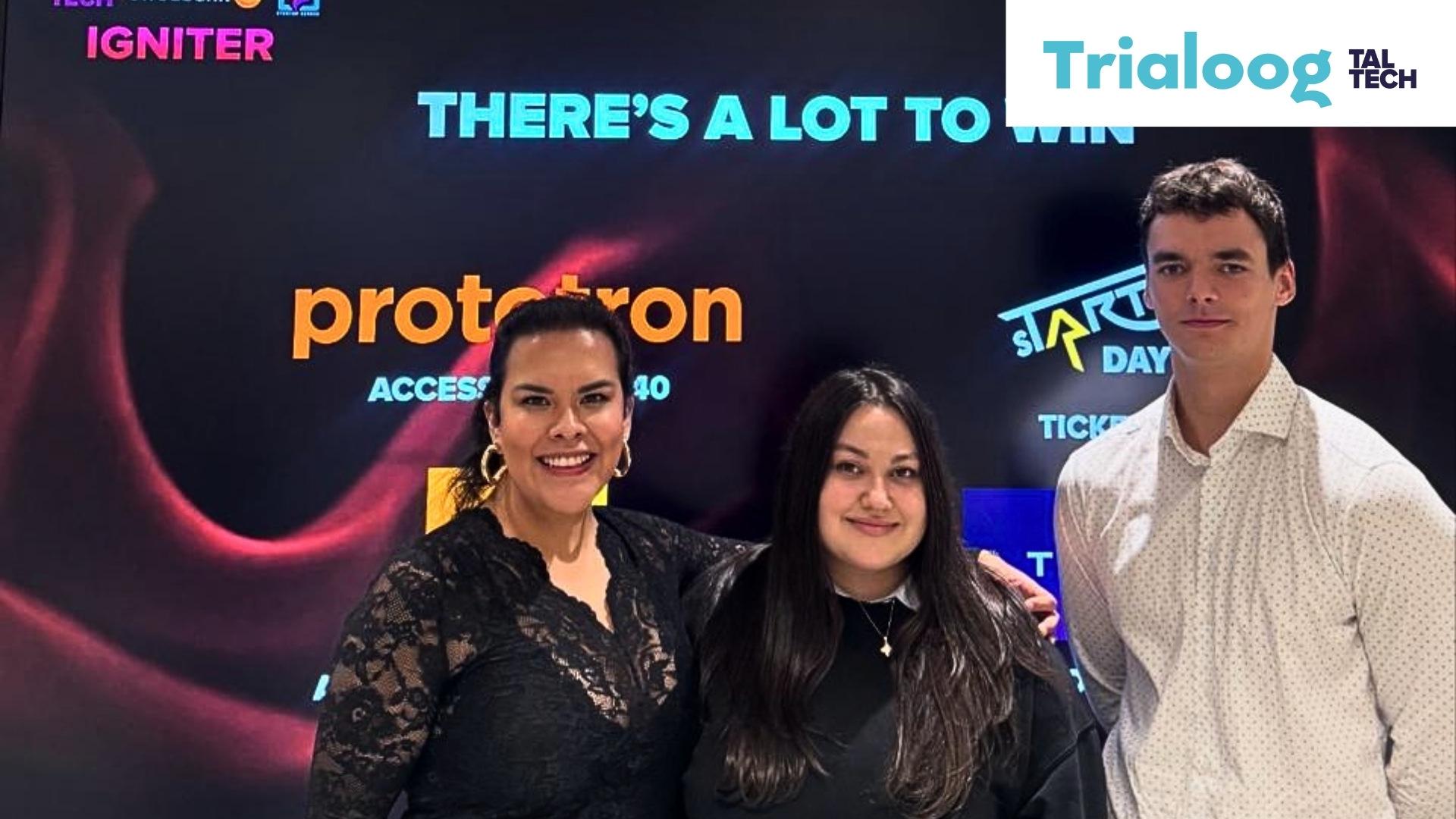
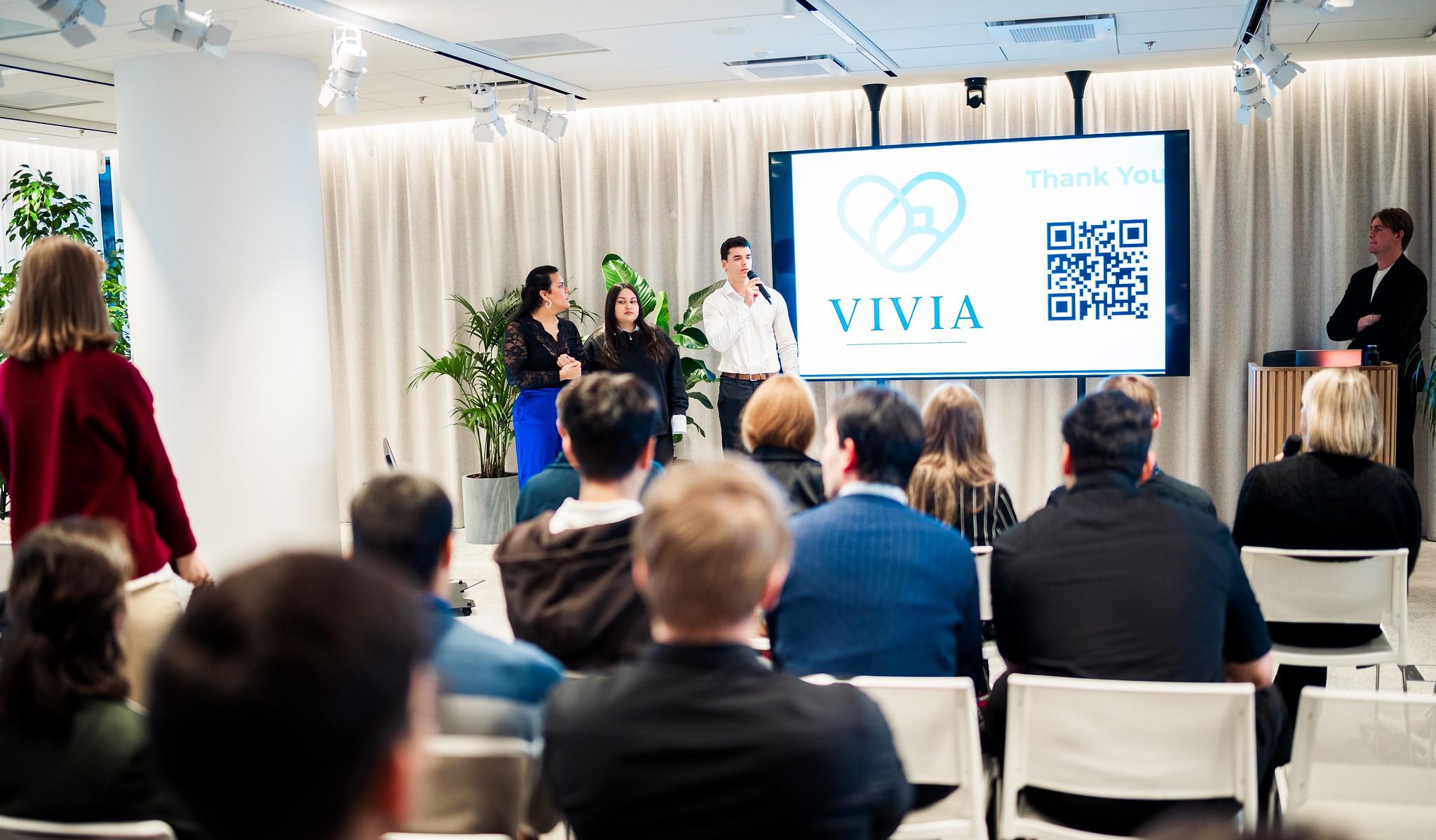
Today, the team consists of three co-founders: Lopez brings a medical background, Nane Hovhannisyan contributes product development expertise, and Parre is responsible for business development, sales and marketing. A software developer recently joined the team as well.
AI Companion in Your Pocket
Vivia connects older adults, their family members and, when needed, caregivers within a single system. The solution operates through WhatsApp, the most widely used communication platform in Latin America.

Users receive medication reminders and can respond whether they have taken their medication or would like to receive another reminder later.
“They don’t have to download a new application or learn something new. Everything happens in an environment they already use,” explained the student entrepreneur.
Family members and caregivers can access a separate dashboard showing when medication was taken, whether any doses were missed, and how the user is doing.
Users can also interact with an AI companion. Its purpose is not to provide medical advice but to offer companionship, answer simple questions and help reduce feelings of loneliness.
Although the solution was originally designed for older adults, the team has discovered that younger users can benefit from it as well. “One of our friends, who is in their twenties, wanted to try the solution too and said it was extremely helpful for remembering to take medication.”
First Signs of Market Interest
One of the most important milestones came when a municipal organisation responsible for care services in Mexico approached the team on its own initiative. The organisation was interested in adapting the solution for a larger user base and deploying it across an entire organisation rather than only within individual households.
Interest has also emerged in Estonia. A recent meeting with Pihlakodu confirmed that there is a need for solutions like this locally as well. Once the voice assistant is completed, the team hopes to launch its first pilot projects.
According to Parre, the voice-based solution is particularly important because many potential users in Estonia do not use smartphones or messaging applications.
Impact Matters More Than User Numbers
Five years from now, the team hopes to see Vivia used by as many families and care institutions as possible. However, they do not see user numbers as the most important measure of success.
“The biggest win is when people tell us that our solution helped them. If we see that we can reduce problems caused by incorrect medication use, that alone would have a significant impact.”
Building a Startup as a Student
According to Parre, the most difficult part of building a company is managing time.
“My calendar is planned down to the minute. You can do everything, but you have to decide what matters more at a given moment – building the company or striving for a perfect academic record.”
He became involved in entrepreneurship during his very first weeks at TalTech. While he initially had to learn the fundamentals of the startup world, theory soon turned into practice.
TalTech’s entrepreneurship programmes played an important role along the way. IGNITER helped the team understand the importance of validating whether people genuinely need a solution before building it. TalTech Student Ventures, in turn, provided the first funding, mentorship and valuable connections.
According to Parre, there is no point in waiting for the perfect moment. “Start now. Talk to people and find out whether anyone actually needs your solution. The most valuable lessons come from taking action.”