
The digital space has become the central arena for hybrid threats, where the target is not only technology, but above all trust—trust in information, institutions, decision-making processes, and people’s own perceptions. The Innovation Festival, taking place on 6 May in the TalTech main hall, asks whether and how trust can be protected in an era where attacks are no longer directed solely at IT systems or infrastructure, but increasingly at influencing people’s understanding and decisions.
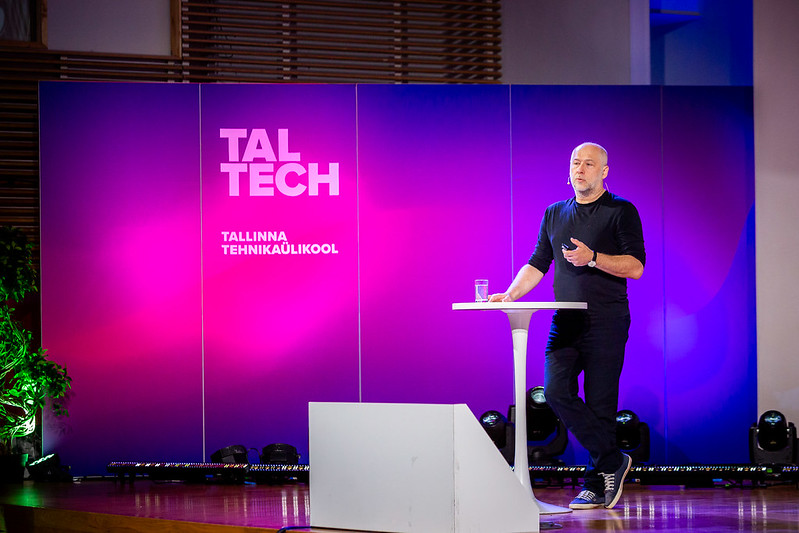
“At the core of every hybrid attack is actually a human being—their trust, attention, and decisions,” said Rain Ottis, cybersecurity expert, speaker at the conference, and head of the cybersecurity research group at the School of IT. “Technology can amplify or distort information, but in the end, it is always people who are affected. That is why, alongside detecting technical attacks, it is equally important how we explain to people what is really happening and why it can be trusted,” Ottis added.
He noted that the development of artificial intelligence and the speed of the information environment are making questions of truth, evidence, and influence increasingly complex. When information spreads faster than verifiable facts, trust becomes a strategic resource—for states, organisations, and society as a whole.
The event brings together experts, policymakers, and practitioners from Estonia and abroad to discuss how hybrid threats affect the functioning of society and what solutions are needed to maintain trust.
Speakers at the Innovation Festival include: Carl Miller (CASM, UK), Rain Ottis (TalTech), Kalev Pihl (SK ID Solutions), Pekka Kallioniemi (International Centre for Defence and Security), Matthew Sorell (TalTech), Kristjan Krips (Cybernetica), Tanel Tammet (TalTech), Liisa Past (expert in cybersecurity and strategic communication), and Lauri Luht (Ministry of Justice and Digital Affairs).
Most of the presentations will be in Estonian; however, the talks by Carl Miller, Pekka Kallioniemi, and Matthew Sorell will be delivered in English.
The programme features short talks and panel discussions addressing, among other topics, the role of artificial intelligence in information operations, the possibilities of digital evidence, and crisis communication in situations where the public may not trust technical facts.
The event is aimed at policymakers, representatives of businesses and public institutions, security and communication experts, and everyone working with issues of digital trust and societal resilience.
See the Innovation Festival programme and ticket information.