
TalTech’s reproductive biology research group has strengthened its expertise in single-cell RNA sequencing (scRNA-seq) data analysis. The new skills will support the group’s ongoing research into human ovarian follicle cells and the effects environmental chemicals may have on ovarian function.
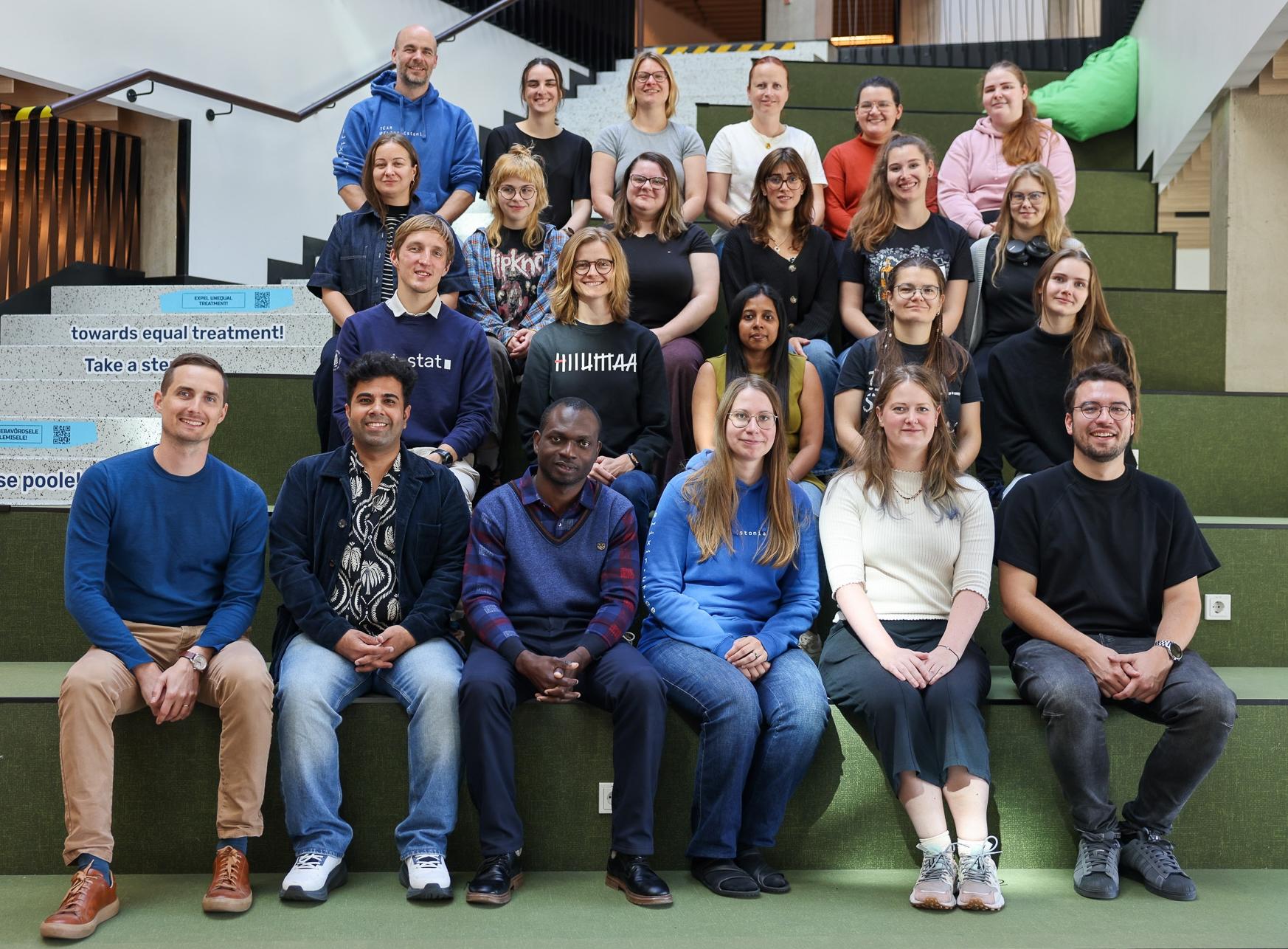
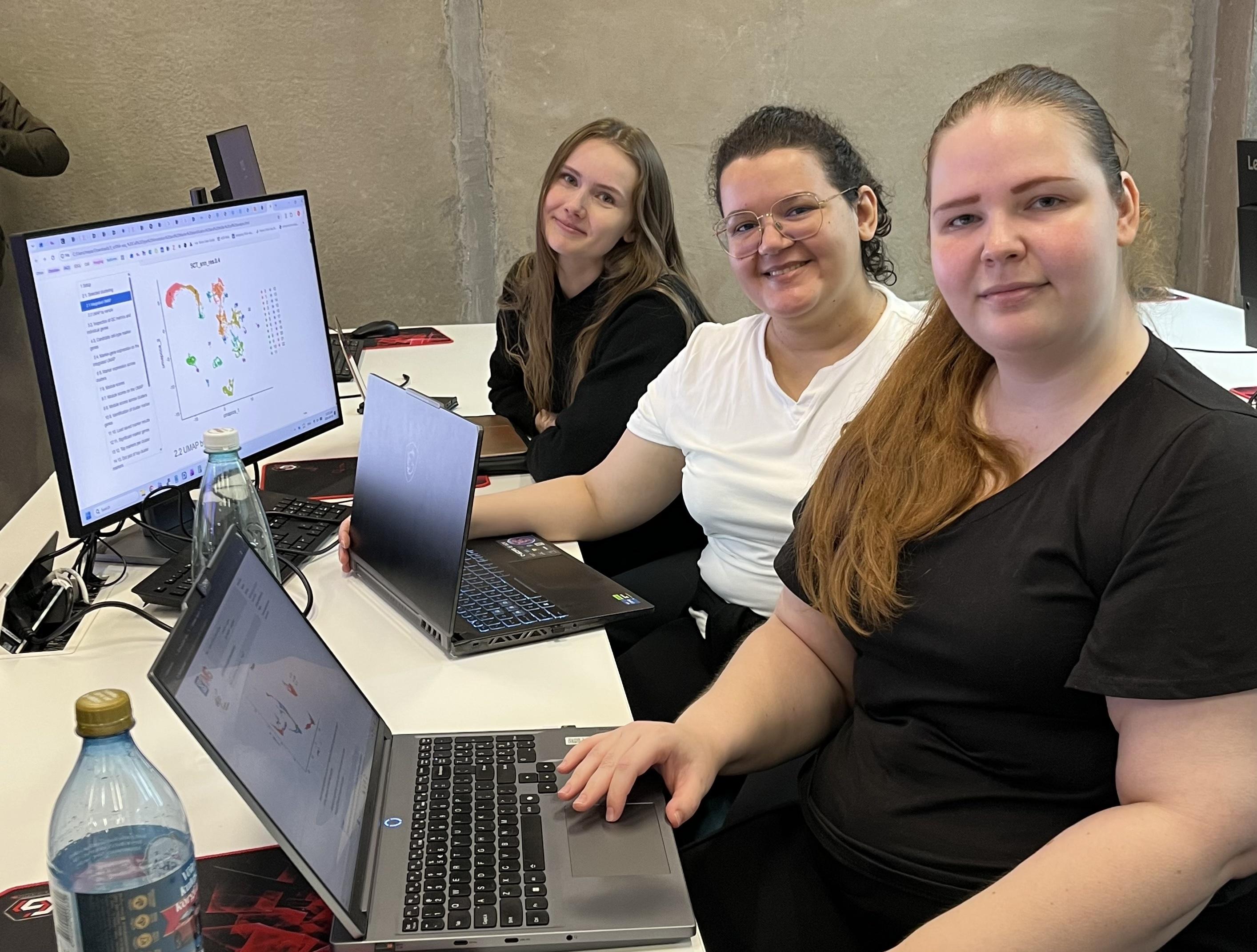
From 7 to 10 September, reproductive biology research group leader Agne Velthut-Meikas, researcher Inge Varik, and doctoral students Katariina Johanna Saretok and Mayara Cristina Batista da Silva attended a four-day scRNA-seq data-analysis course in Tartu. The course was organised by ELIXIR Estonia in collaboration with ELIXIR Czech Republic.
Single-cell RNA sequencing enables researchers to examine gene expression in individual cells. This makes it possible to distinguish different cell populations within complex biological samples and investigate how their gene-expression patterns differ.
The course covered key scRNA-seq technologies, experimental design and practical data analysis. Through hands-on sessions, participants explored computational methods and tools used to analyse data from droplet-based single-cell sequencing platforms.
The group already has experience in applying single-cell RNA sequencing in research. In a 2022 study, Roos et al. combined single-cell and bulk RNA sequencing to investigate differences between patients with different responses to ovarian stimulation. The study showed that both the composition of follicular cell populations and their gene-expression patterns varys between patients. It also offered new insight into the cellular diversity of human preovulatory follicles. The study is available here.
As scRNA-seq technologies and data-analysis tools develop rapidly, keeping up with new methods is increasingly important.
For doctoral student Katariina, the course offered practical guidance for analysing her own data:
“This course gave me several ideas for tackling the challenges I am currently facing with my own data. The instructors offered useful advice on how to approach different cases and encouraged us to keep an open mind, try new tools and test different parameters. The course definitely helped and motivated me.”
The group will now apply the new skills in its ongoing research on human ovarian follicle cells in culture. By examining changes in individual cells, the researchers aim to build a more detailed understanding of ovarian biology and investigate how environmental chemicals may influence ovarian function.