
On October 10, TalTech Estonian Maritime Academy will bring together students, researchers and practitioners for one day to find applicable solutions to six real-life challenges in order to advance more sustainable shipping. The implementation of ideas is supported by a €25 million national programme supporting ship retrofitting, and the best teams will compete for a €10,000 prize pool.
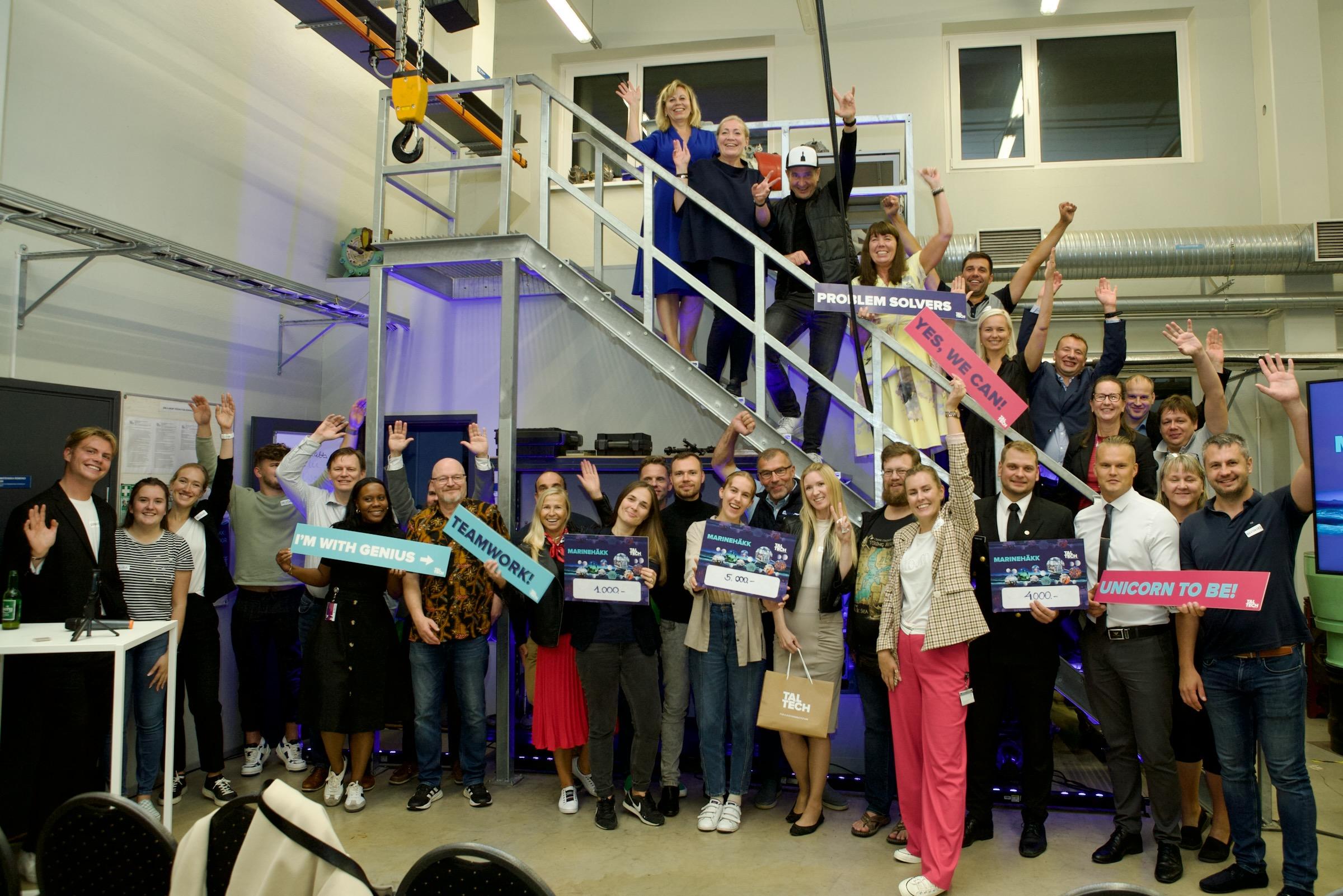
At the heart of MarineHäkk are challenges submitted by maritime companies and state institutions that address the sector’s overall environmental footprint – ranging from carbon capture and underwater noise reduction to energy optimization and waste reuse. These hands-on problems form the special focus of the hackathon.
“MarineHäkk stands out from other hackathons by focusing solely on the maritime sector and on real-life challenges with practical solutions,” said Rasmus Hirtentreu, project manager at the Estonian Maritime Academy and the initiator of MarineHäkk. According to him, the unique setting of the event, the TalTech Estonian Maritime Academy Mechanics Building garage-format, adds to the distinctiveness, as it provides a practical environment where ideas and prototypes with the potential to transform global shipping can be born.
SIX PRACTICAL CHALLENGES
Measuring and 3D Visualization of Ship Draught
Submitted by: Draft-Line
The goal is to make cargo loading more energy-efficient and reduce CO₂ emissions. This requires developing technology that measures ship draught more accurately and displays the results in 3D. The challenge lies in achieving international validation and certification to ensure broader adoption.
Smart Tool for Energy Efficiency Assessment
Submitted by: Tallinn Shipyard OÜ
Ships generate large amounts of data, but it often does not systematically reach shipowners. A tool is needed to consolidate data into one system, provide real-time recommendations for energy optimization and guide future investment decisions.
Raising Crew Awareness and Motivation
Submitted by: TS Shipping
Without sufficient awareness or motivation, technical solutions may remain unused. Digital and gamified solutions are expected to increase crew awareness, create recognition systems and help reduce energy consumption and CO₂ emissions.
Reducing Underwater Continuous Noise
Submitted by: Ministry of Climate
Maritime traffic produces continuous noise that threatens marine life and disrupts ecosystems. The challenge is to find innovative design solutions – for example, in hull or propulsion system development – that reduce noise while maintaining energy efficiency and environmental friendliness.
Onboard Carbon Capture
Submitted by: Estonian State Fleet
CO₂ is one of the main contributors to climate change. While carbon capture technologies already exist, the challenge is to find ways to process or reuse captured carbon, turning it into a new resource.
Retrofit Waste Tracking and Certification
Submitted by: SRC
Ship retrofitting generates a considerable amount of waste and its handling is not always transparent. A solution is needed to establish a system for tracking and certifying waste. The result would be an internationally recognized green certificate suitable both for reporting and as a marketing argument.
MORE THAN JUST A HACKATHON
Participants will have the chance to tackle real problems, receive valuable guidance from experienced practitioners and build networks in the maritime and innovation sectors. It’s also an opportunity to meet potential employers and make a lasting impression.
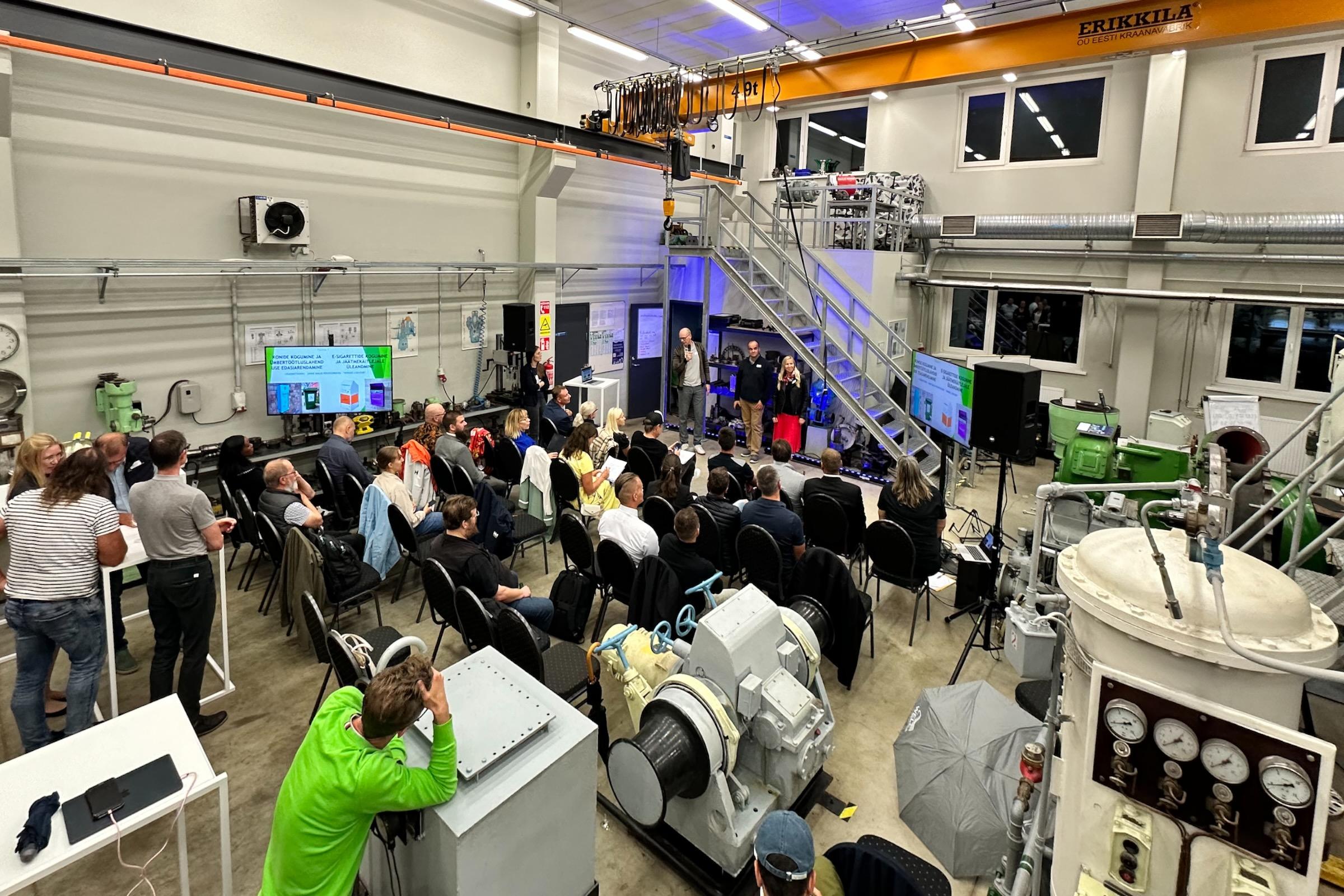
Rasmus Kalep, Head of TalTech Startup Centre, emphasizes that the value of hackathon ideas is not only in their implementation: “I believe whether ideas are actually carried out depends both on the team that came up with them and the partner who submitted the challenge. For me, one of the outcomes of a hackathon is also discovering, through structured thinking, that something simply does not work and ruling it out. We aim to create the first spark and encourage collaboration so that those who truly want to drive change can do so successfully. The prize fund will certainly help as an initial boost for prototype development,” said Kalep.
MarineHack is organized by the TalTech Estonian Maritime Academy in cooperation with the TalTech Startup Centre. The hackathon welcomes students from TalTech and other universities, as well as young professionals and practitioners in the field. The event will be held in Estonian and lasts a total of 12 hours. Registration is open – get on board!