
Before moving to Tallinn, I had heard people say that Estonia was “one of the most digital countries in the world,” but I never really understood what that meant. Only after living here I realised how much technology is built into everyday life — not in a futuristic or flashy way, but in small, practical things that make your routine easier.
Sharing the Streets (and TalTech) With Robots
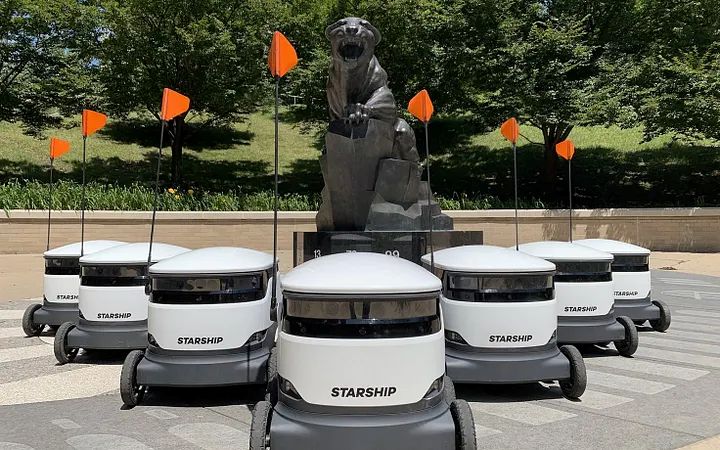
If you walk around Tallinn, you’ll quickly notice small white robots rolling calmly down the sidewalks. These are Starship Technologies delivery robots created by Estonian founders and now serving cities all around the world.
In Estonia, these robots deliver groceries, food, and packages straight to your door by collaborating with Bolt Food. You order through an app, track the robot’s journey, and then open its lid with your phone when it arrives. They navigate traffic, avoid obstacles, and even cross streets. For many international students, seeing delivery robots for the first time is a uniquely Estonian moment.
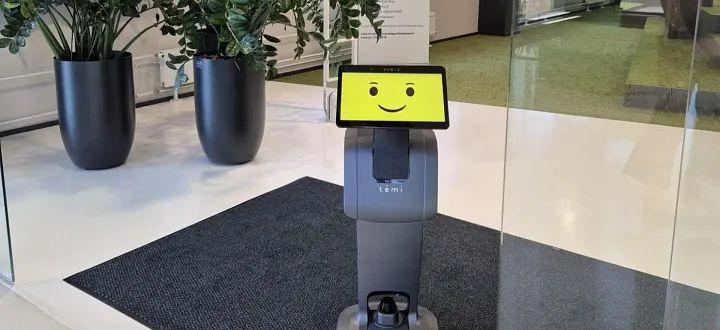
Robots don’t just stay on the streets, though — they’ve also made their way into university life. At TalTech, we use Temi V3 robots in the library and around campus. Students can interact with them and get assistance. On my course, some subjects even allow you to register your attendance through a Temi robot: it recognises your face, greets you by your name, and checks you in automatically.
We even use these robots during lab defenses in the Advanced Networking course by Cisco. The robot analyzes the configuration we created on physical network hardware, evaluates our setup, and then asks us questions about the lab work.
It’s a glimpse of how technology can blend into everyday life without feeling overwhelming.
Starting a Company in 15 Minutes
One of the things that impressed me the most is how ridiculously easy it is to register a company in Estonia. Through the e-Residency program, entrepreneurs from anywhere in the world can apply for a government-issued digital ID, which enables full online business registration without ever visiting Estonia.
Once you have your e-Residency card, you simply log into the Estonian Business Register, fill out an online form, digitally sign your documents, and pay the state fee — all completed in about 15 minutes.
Everything is done online — no offices, no piles of documents, no waiting weeks for approval. This simplicity reflects Estonia’s broader vision of supporting innovation and lowering barriers for new businesses. The country actively encourages people to build and experiment, and the startup-friendly environment is one of the reasons Estonia has one of the highest numbers of unicorn companies per capita in Europe.
Cybersecurity Culture: Telia Cyber Battle of Estonia
Another thing that surprised me is how deeply digital culture is embedded not only in daily life, but also in education and community events. A great example is the Telia Cyber Battle of Estonia — a national cybersecurity competition where students and young professionals compete in solving real-world cyber challenges.
It’s designed to introduce people to ethical hacking in a fun and engaging way, and it reflects how seriously Estonia takes digital security. For a country that runs critical systems online — from government services to nationwide voting — building cybersecurity skills isn’t just an academic activity, it’s part of maintaining the country’s digital backbone.
For me, as a cybersecurity engineering student, participating in events like Cyber Battle made me appreciate how Estonia doesn’t just use advanced technology — it also invests in teaching the next generation how to protect it.
Conclusion: The Future, but Comfortable
Living in Estonia has changed my expectations of how a modern country should function. You don’t notice most of the technology — and that’s the beauty of it. It works in the background, quietly supporting your life.
Being surrounded by this kind of innovation every day also pushes me to grow as a future professional in IT field. It’s inspiring to live in a country that not only embraces technology but actively shapes its future.
The article was first published in TalTech blog 5.12.2026