
While about one in ten people on Earth goes to bed hungry each night, a third of the food produced globally is thrown away, and half of the people in Western countries are overweight. Hunger and waste may occur in different parts of the world, but everyone benefits if we grow and produce only as much food as we actually need. That’s why the focus of the Technical University’s Sustainability Months this February is on sustainable food and water.
First, a few facts
- Nearly a third of the food produced globally is thrown away. That amount could feed about 2 billion people.
- Over half of it is thrown away in households.
- In Estonia, around 167,000 tons of food waste is generated annually. The amount of food waste and food loss generated in households is the highest compared to other parts of the food chain.
- 42% of the food waste in Estonian households is food loss—that is, food that could have been eaten.
- Altogether, Estonian households throw away food worth approximately 97 million euros per year as food loss.
- One person generates around 60 kg of food waste per year in their household, of which 26 kg can be considered wasted food or food loss.
- The most commonly wasted items are vegetables, prepared food leftovers, fruits and berries, as well as milk and dairy products.
- The main reason food is thrown away is spoilage.
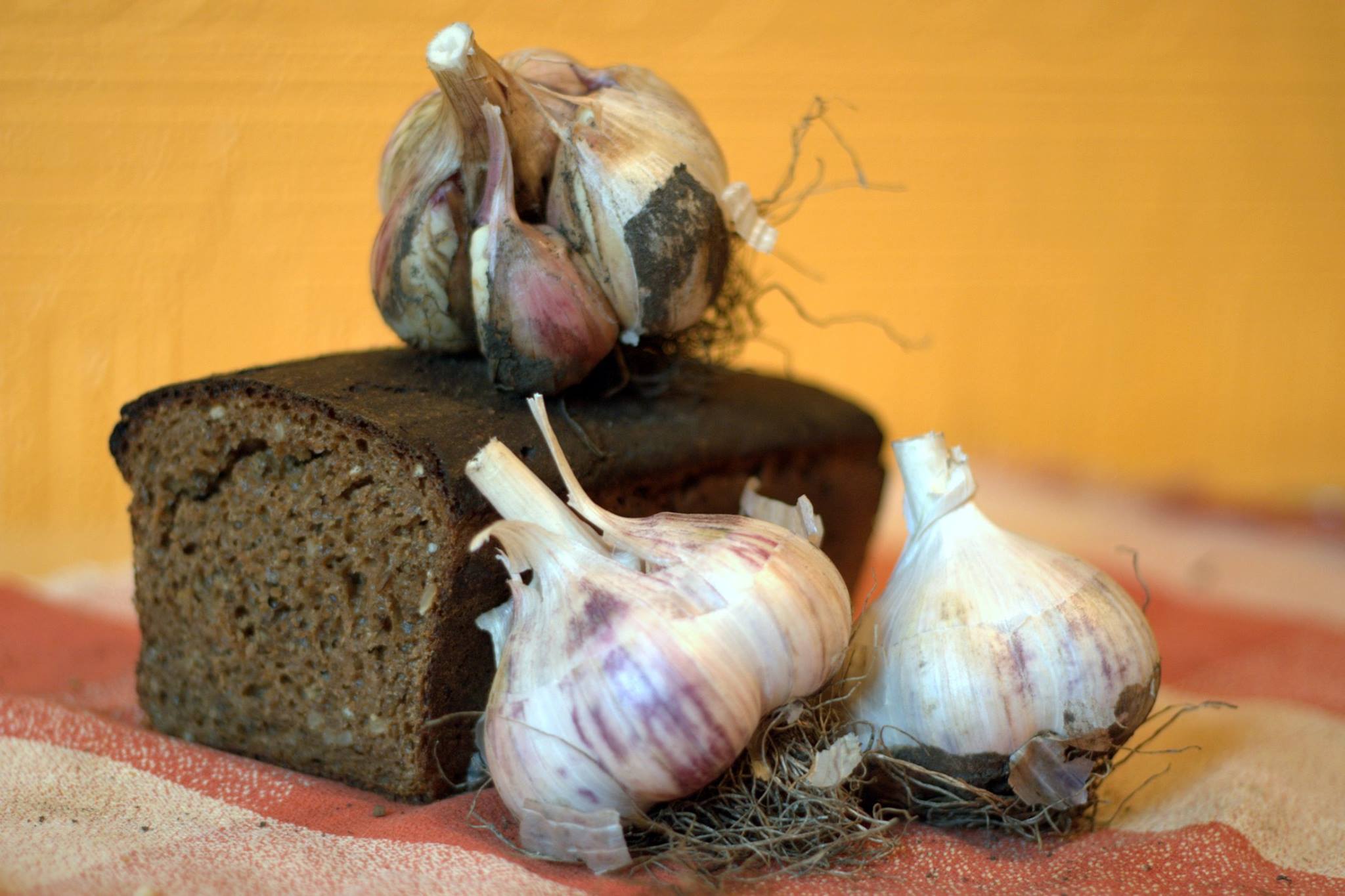
Meat or potatoes?
Every food item carries invisible resources—land use, water consumption, labor, energy, transport, time. When food is thrown away, all the effort put into its production is wasted as well.
Speaking of resources, it’s impossible to ignore the differing "costs" of different foods. Producing 1 kg of beef requires 47 times more water than 1 kg of vegetables. These aren’t nutritionally equivalent, of course, but when comparing water use per kcal, the difference between potatoes and beef is about 10-fold (see also here), and the gap is even greater when comparing meat to grains. When measuring how much protein is obtained per kilogram of CO2 emitted, legumes offer nearly 16 times more than beef.
The meat industry accounts for 14.5% of global human-caused greenhouse gas emissions (in CO2 equivalents). It’s been calculated that producing 1 kg of animal protein requires 3–10 kg of plant protein. “To feed 8 billion people, around 80 billion land animals are killed every year, and large quantities of food are also grown for them. Keeping these animals uses about 80% of all agricultural land,” summarizes Eliis Salm, a doctoral student and junior researcher at the TalTech Department of Business Administration, who studies sustainable consumer behavior and food systems.
According to the National Institute for Health Development, people in Estonia consume three times more meat and meat products than recommended, which affects both health and the environment. So one simple good deed for both yourself and the planet is to regularly observe a plant-based Tuesday or try a beef-free February.
However, giving up meat entirely isn’t necessarily wise, since calories aren’t the only thing that matters nutritionally, notes Professor Katrin Laos, head of the Department of Food and Biotechnology at the Institute of Chemistry and Biotechnology. She explains that animal-based foods provide not only energy but also complete proteins and several micronutrients (like B12, readily absorbable iron, zinc, etc.) that either aren’t found in plants or aren’t well absorbed. According to Estonia’s dietary guidelines, meat should be consumed in moderation: prefer fish and poultry, and limit the amount of red meat. “Processed meats (sausages, hot dogs, etc.) should be limited both for health reasons (salt, saturated fat) and from a sustainability perspective,” Laos notes.
Before you decide...
No matter how sustainable the food we buy is, waste is still waste. Since spoilage is the main reason food gets thrown away, preventing waste must start at the store.
By the way, it's wealthier countries where most food is wasted at home—because people can afford to waste it. Think about it: if you buy food you don’t eat, you pay for it in the store, maybe also for its delivery, and later again in waste disposal fees—so you’re paying several times for something you don’t need. That means planning well not only conserves the planet’s resources but also saves your own money.
It’s worth paying attention to how food actually spoils. “Use by” is not the same as “best before,” and in both cases, food may still be safe even after the date. “Use by” is applied to perishable items that may become hazardous after the date. Before deciding, look, smell, and taste—and consume the food fully if possible. Foods labeled “best before” are at their best until the given date, but often remain sufficiently high quality and safe after that. “Many 'best before' products are completely edible even years past the date. Some basically never go bad,” says Eliis Salm, citing salt as an example.
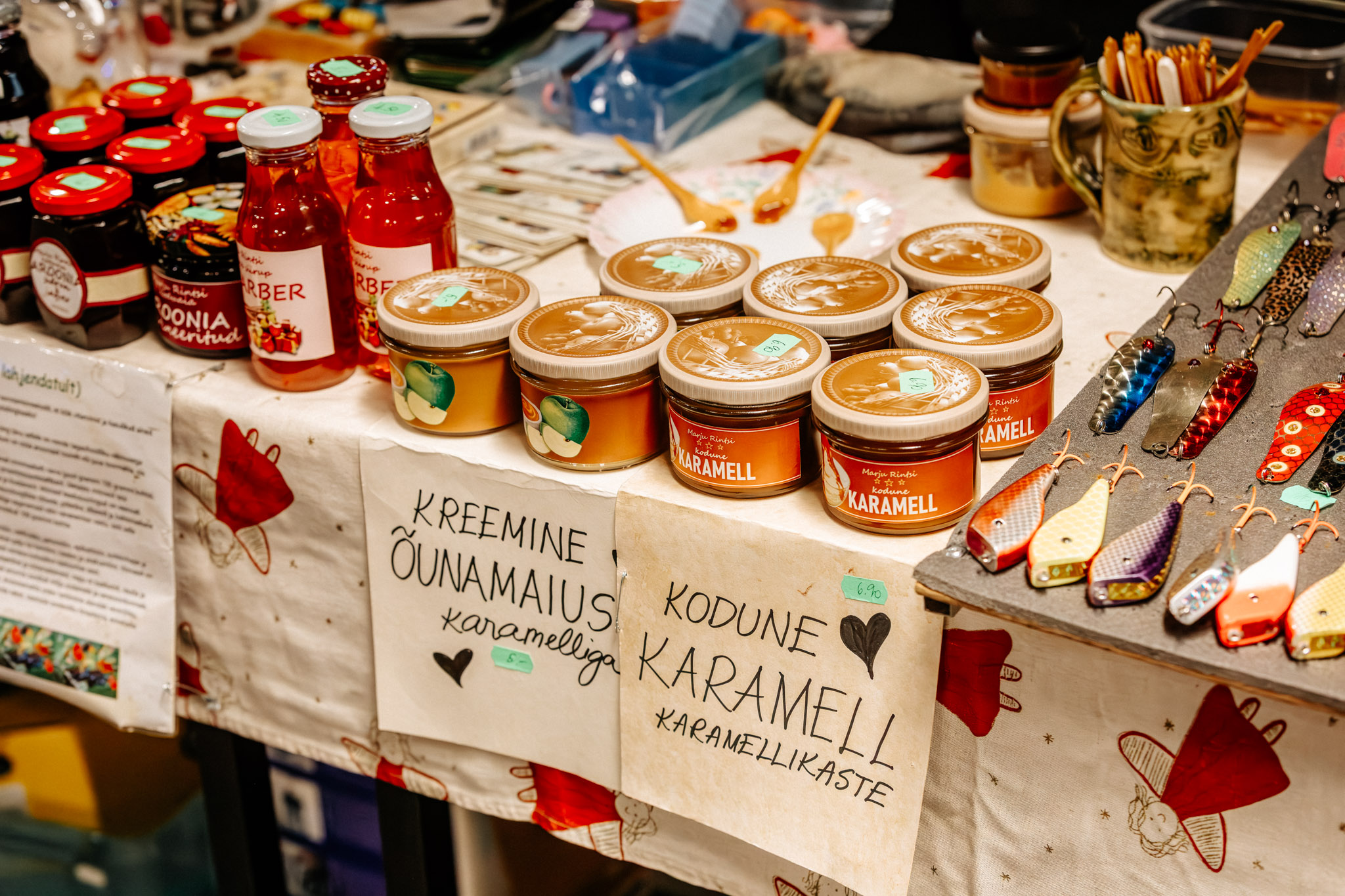
What everyone can do to save food
- Plan your meals in advance and shop according to the plan.
- Many grocery stores sell food nearing its sell-by date at a discount. If you only buy what you’ll eat immediately, you’re saving food AND money. Note: only buy what you actually need.
- If you stock up on discounted goods too enthusiastically and they spoil before you can use them, that’s not saving. If it seems you won’t eat something in time, freeze it or heat it up!
- Bread and rolls can also be frozen successfully.
- Store food at the right temperature. Also pay attention to basic physics in the fridge—the door shelves are warmest, bottom shelves are coldest.
- Avoid storing fruits and vegetables in plastic bags.
- Freeze local seasonal foods.
- If you've cooked too much, portion the leftovers and freeze them. Keep a visible list in the kitchen of what meals you have in the freezer. Store food in portions and label them. They’ll soon come in handy for (schoolkids’) lunches!
- “Best before” is not the same as “use by.” Before throwing food away, evaluate it with your eyes, nose, and mouth.
- Organize your fridge so you always know what you have, and so quickly perishable or open items don’t get lost at the back.
- Set up a “eat first” shelf for items nearing spoilage and consume them first.
- Plan 1–2 meat-free days per week. For example, “plant-based Tuesday.” It’s a win for your health, your wallet, and your environmental footprint.
- Plan one leftover day per week to cook with what you already have at home.
- Grow your own food. It’s the freshest, closest, and you’re least likely to waste it.
- Slightly bruised fruits work well in smoothies, leftover veggies and sauces can become soups or pasta toppings, sour milk and leftover porridge make great (pan)cakes, etc.
- Take a smaller portion first and go back for more if needed. This applies to buffet tables too—like in hotels, on ferries, and at events—where the biggest food waste is from guests’ plates.
- Eat until you’re full, but don’t overeat—that’s food waste too.
- When eating out, ask to have your leftovers packed up. There’s no shame in that—what would be shameful is wasting food.
- Give food scraps to animals, compost them, or dispose of them with biodegradable waste, so they turn into energy or return to nature.
- Keep track of the amount and type of waste you generate. You might spot waste patterns you weren’t even aware of.
Read more:
- Check the sustainability of specific foods at Toidufoor.
- Find food waste prevention tips here: https://tarbitoitutargalt.ee/kodule/ and https://rohetiiger.ee/hoiatoitu
- Learn how to cook with zero waste: https://www.eestitoit.ee/index.php/et/nullkulu-nadalamenuu
- Here you’ll find research, European food waste statistics, Estonia’s food waste prevention plan, and more tips: https://kliimaministeerium.ee/elukeskkond-ringmajandus/jaatmetest-ringmajanduseni/jaatmetekke-valtimine
- SEI and Estonian University of Life Sciences study: Food waste and loss in Estonia’s food supply chain https://www.sei.org/wp-content/uploads/2021/05/toidujaatmete-ja-toidukao-teke-eesti-toidutarneahelas-2021.pdf
- Read about the sustainability of various foods here: https://toitumine.ee/kuidas-poes-toitu-valida/jatkusuutlikkus
- Learn about your food and lifestyle’s water footprint here: https://ourworldindata.org/grapher/freshwater-withdrawals-per-1000kcal