
Why do some people retain excellent memory and attention well into old age, while others develop serious conditions such as Alzheimer’s or Parkinson’s disease much earlier? And how can we age healthily and protect the brain as we grow older?
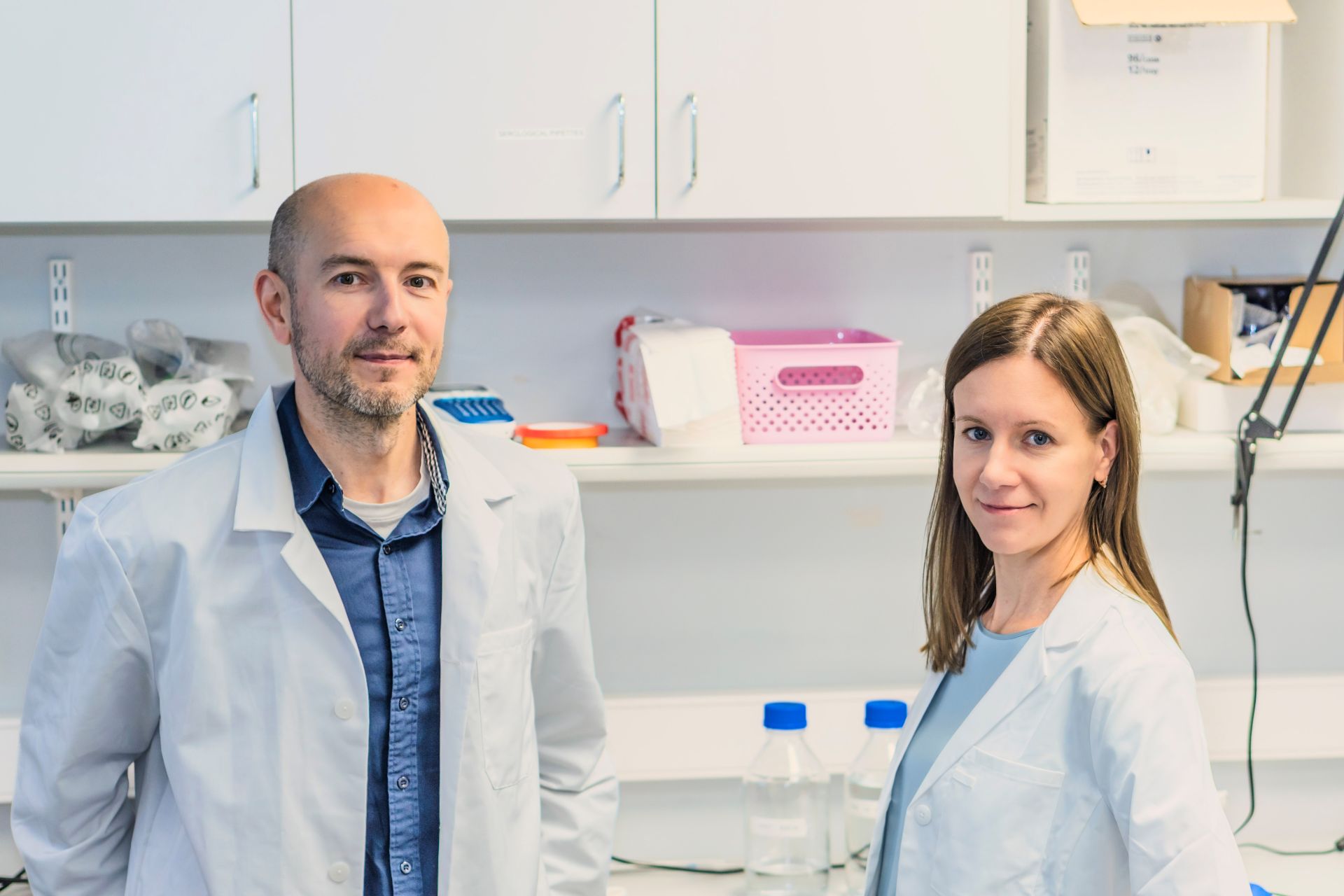
“Unfortunately, we still know relatively little about the changes that occur in different types of nerve cells during ageing and disease. Understanding these changes could help us find new ways to preserve memory and attention in later life. In the longer term, we also hope to develop effective treatments for neurodegenerative diseases, although the underlying causes of these conditions remain unknown,” says Kärt Mätlik, Assistant Professor and head of Laboratory of Neuroepigenetics, describing a major challenge facing researchers in the field.
At TalTech, several research groups investigate the molecular processes involved in brain ageing and neurodegenerative diseases. These groups are also part of TalTech’s Health and Food Technologies focus centre.
Why does the brain age?
“Brain ageing is part of a broader question: why do living organisms and tissues age in the first place? At a fundamental level, this is an evolutionary question. Natural selection favours combinations of genes that produce more viable offspring. However, these combinations may become more common at the expense of other gene combinations that promote tissue resilience and longevity,” explains Kert Mätlik, Senior Researcher and head of TalTech’s Laboratory of Molecular Biology of Neurodegenerative Diseases. He notes that this hypothesis is difficult to test directly in humans.
His research focuses on developing advanced methods to distinguish different types of nerve cells in brain tissue and analyse the changes that occur within them. The aim is to identify ways to protect vulnerable nerve cells.
“The brain contains many different types of cells, each with its own pattern of gene expression. Which genes are active in a given cell type is regulated in part by chemical modifications to DNA and its associated proteins, known as epigenetic marks,” explains Junior Professor Kärt Mätlik. Her research focuses primarily on how these marks regulate gene expression in nerve cells. Among other questions, she is investigating how to keep the brain healthy as we age.
One theory of ageing proposes that epigenetic marks gradually change over time and are not always faithfully maintained. As a result, genes that should remain inactive may become active, while genes essential for normal cell function may become less active or be expressed irregularly.
“Compared with most other cells in the human body, nerve cells are exceptionally long-lived. Most of our neurons are already present at birth. Since new nerve cells generally do not form throughout our lives, the ones we already have must continue to function for as long as we live,” Kärt Mätlik explains. This makes the long-term maintenance of epigenetic marks particularly important for nerve cells.
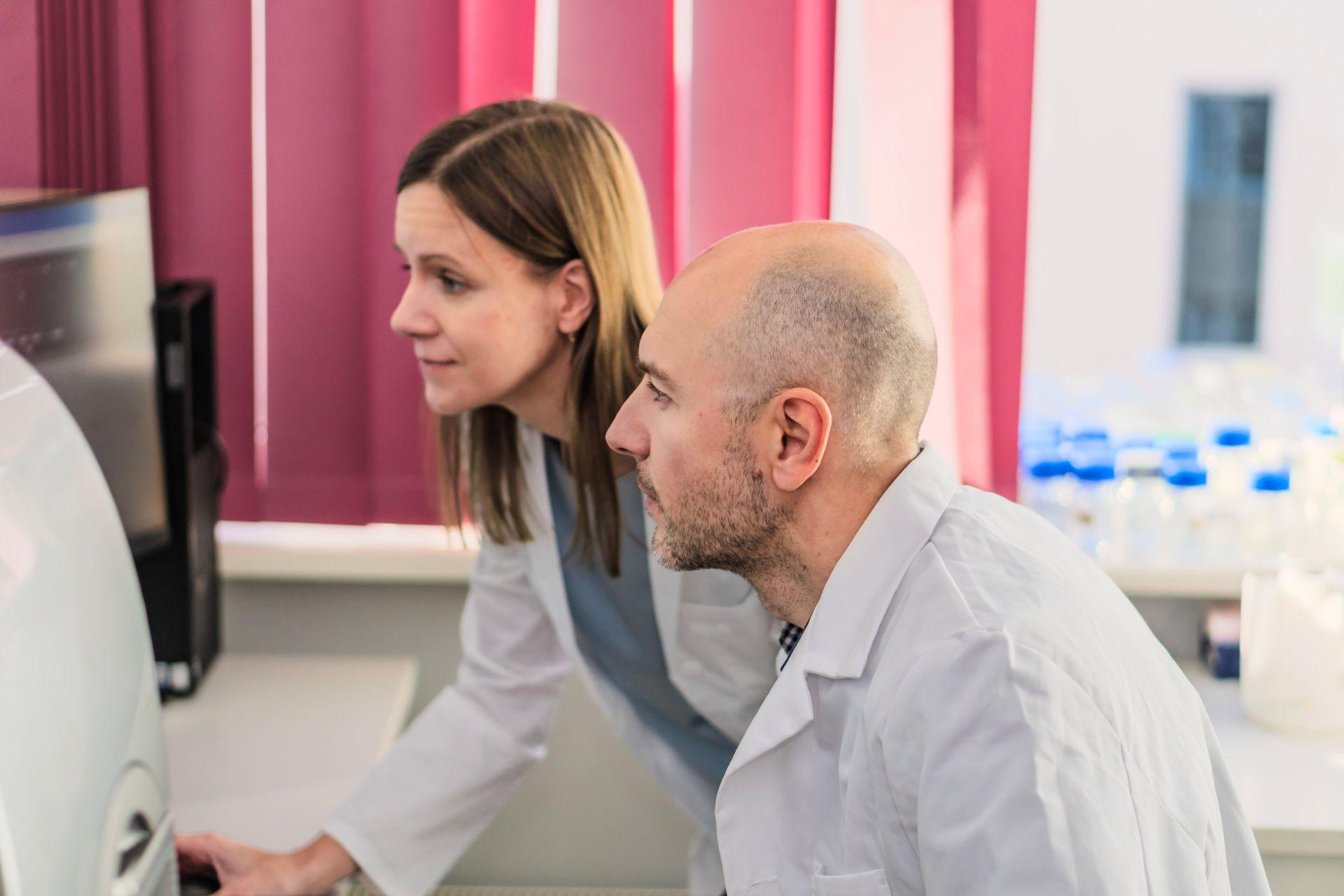
Prof Kärt Mätlik, Head of Laboratory of Neuroepigenetics and Senior Researcher Kert Mätlik, Head of Laboratory of Molecular Biology of Neurodegenerative Diseases.
What happens to the brain as we age, and why does it age differently in different people?
“From middle age onwards, the total volume of brain tissue begins to decrease. Although the overall number of cells does not change substantially, the number of neuronal processes declines,” says Kert Mätlik. These processes allow nerve cells to send and receive electrical signals.
The number of synaptic connections between nerve cells also decreases with age. Researchers have likewise observed a reduction in the volume of the brain’s white matter, which consists of neuronal processes surrounded by a fatty insulating layer that speeds up the transmission of electrical signals.
Scientists still do not fully understand why some people’s brains age differently from others. TalTech researchers are also working to shed more light on this question. Some people retain excellent attention, memory and analytical abilities well into old age. Understanding what protects them could help reveal the processes that promote resilience to ageing and support healthy brain function later in life.
Treatment options for neurodegenerative diseases remain limited
“In addition to the decline in brain function associated with normal ageing, older age is the greatest risk factor for neurodegenerative diseases, the most common of which include Alzheimer’s and Parkinson’s disease,” explains Kert Mätlik. For example, the likelihood of receiving an Alzheimer’s disease diagnosis doubles with every additional five years of age after 65.
Unlike the changes that occur in brain tissue during normal ageing, neurodegenerative diseases involve the death of specific types of nerve cells. The symptoms differ between diseases because each condition affects different types of nerve cells.
The underlying causes of the most common neurodegenerative diseases remain unknown. Moreover, effective treatments are lacking for most of these conditions, even when the genetic mutation responsible for a disease has been identified. Developing treatments requires a better understanding of the molecular changes that occur in vulnerable nerve cells. Key analytical technologies needed for this work have been developed over the past decade, and TalTech researchers have the expertise and methodological capabilities to use them.
Another major obstacle to effective treatment is that, by the time symptoms appear, many of the vulnerable nerve cells have already died.
“The brain is relatively unique in that nerve cells are not routinely regenerated or replaced. This limits the treatment options available, because by the time a diagnosis is made, only the nerve cells that remain can be treated,” Kärt Mätlik explains.
Researchers around the world are therefore also working to identify biomarkers in the blood that could signal the onset of pathological changes in brain tissue. If treatment could begin 10–15 years before clinical symptoms appear, it might be possible to prevent nerve cell death altogether. This could enable doctors to provide much more effective help to a great many people.