
A review article on the research direction of Professor Tõnis Timmusk's laboratory was recently published in Trends in Neurosciences, one of the most influential neuroscience review journals belonging to the Cell journal group.
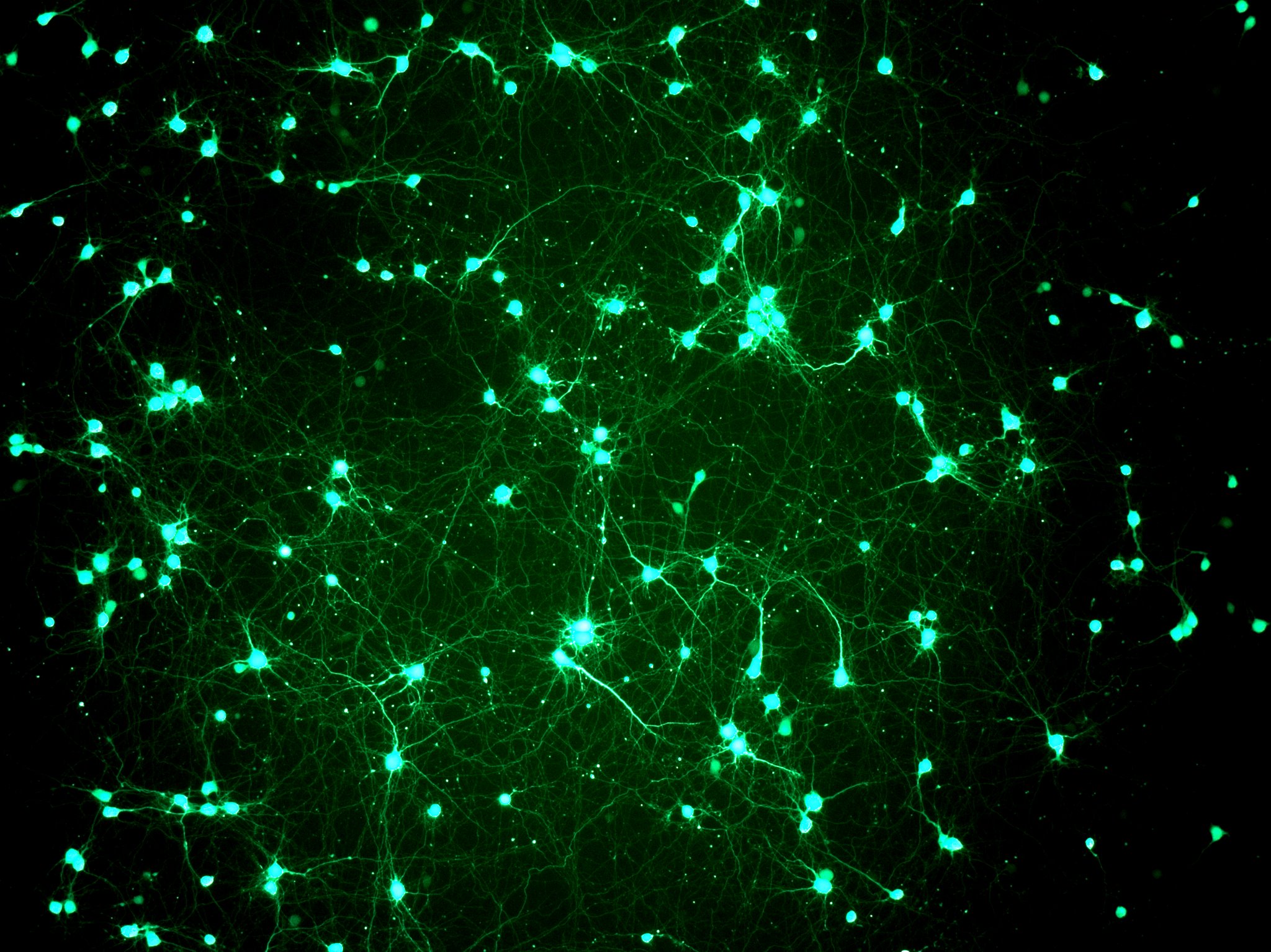
The article summarises the work of the laboratory of molecular neurobiology over the past decade on the regulation of brain-derived neurotrophic factor (BDNF), and also provides a broader overview of the most significant findings across the entire field.
In the review, the authors bring together the latest knowledge on how BDNF production is regulated both in the brain and in other tissues, and highlight the key questions that remain unanswered in the field. Given that tens of thousands of articles have been published on BDNF and that the topic involves many important nuances, it is essential to consolidate and contextualise current understanding.
BDNF is one of the most important proteins for the functioning of the organism, and its production is extraordinarily finely regulated. It supports neuronal survival, differentiation, and synaptic plasticity — the processes that underlie learning and memory. Studies have shown that changes in BDNF levels are associated with several neurological and psychiatric disorders, including Alzheimer's and Parkinson's disease as well as depression.
BDNF production begins with DNA, from which mRNA is first synthesised, followed by the protein itself. This process is governed by proteins called transcription factors and by enhancers, which help determine when, how much, and in which cells BDNF is activated. As an additional mechanism, BDNF mRNA exists in multiple isoforms that are located in different parts of the neuron and influence protein production. Thanks to this precise regulation, different regions of the brain are able to adapt to environmental influences such as physical exercise or stress.
Proposals to write such reviews are typically made by the journal's editorial board itself to leading experts in the field, with the aim of highlighting topical themes in neurobiology.
The head of the research group, Professor Tõnis Timmusk, is an internationally recognised neuroscientist. In 2025, he was elected as a member of EMBO (the European Molecular Biology Organization), and from the same year he is also a member of Academia Europaea. Timmusk received the Lifetime Achievement Award of the Estonian Society of Human Genetics in 2024 and is a laureate of the Estonian National Science Award for 2020.
Esvald EE, Avarlaid A, Koppel I, Tuvikene J, Timmusk T. Making of BDNF: role of promoters, enhancers, and untranslated regions. Trends Neurosci. 2026 Mar;49(3):233-247.