
Afonso Monteiro is a Technology of Wood, Plastics, and Textiles Master's program student from Portugal. According to his words studying at TalTech in Estonia has been a unique and very valuable experience, both personally and professionally. It has given him strong practical knowledge in plastics, but also an opportunity to grow more independent and a chance to meet great people.
Please introduce yourself.
I am from Braga, Portugal, and my academic background is in Industrial Engineering and Management. During my studies, I became especially interested in plastics and materials, which led me to pursue a master’s degree focused on polymers, while also covering wood and textiles.
Where did you first hear about TalTech and how did you decide to go for it?
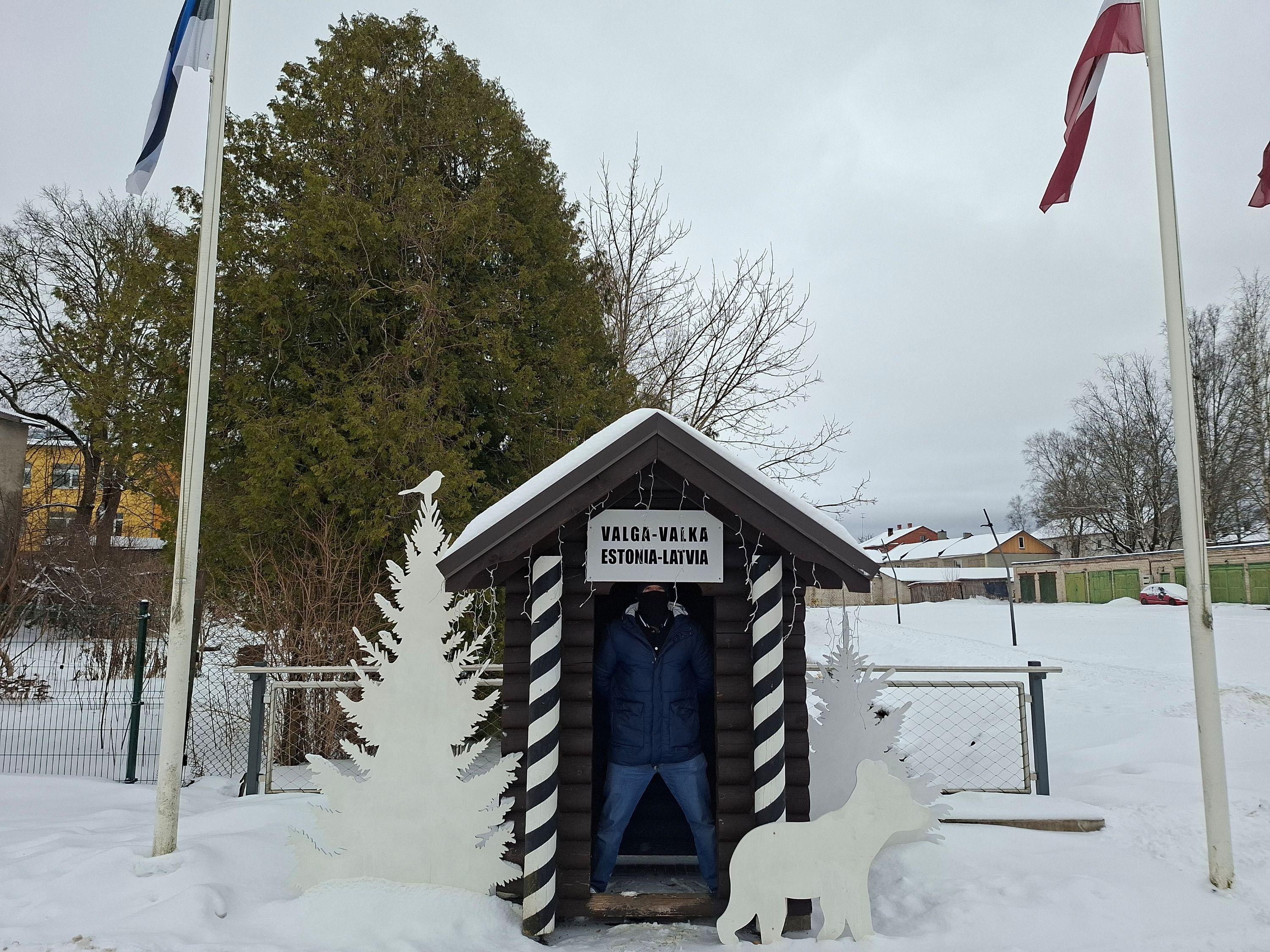
I discovered Estonia while searching for study opportunities abroad. The decisive factor was the study program itself, as it aligned perfectly with my interests in plastics and polymers. I considered also Sweden, Denmark and other countries. I searched for information about the university, its facilities, the quality of education, and what life in Estonia would be like for an international student. I chose TalTech because it stood out as a modern university with a practical approach, offering a lot of useful technology and equipment.
What were your expectations about living in Estonia? Have they been met?
Choosing my destination I wanted a place that would be interesting not only academically, but also as a country to live in and experience in everyday life. I expected Estonia to be a modern, digital, and advanced country. I found the country to be very calm, safe, and orderly. I was particularly surprised and impressed by the strong sense of trust in society and how comfortable daily life is due to widespread digitalization.
What I value most about Estonia is the quality of life. Public transport is great, infrastructure is very good, and everything feels organized and secure. At the same time, Estonia has beautiful nature — the forests are amazing, and traveling around the country to places like Tartu or Saaremaa is very easy.
How easy or challenging was it to adapt to a new culture and academic environment?
At first it was hard, mainly because it was the first time I was living alone. Spending so much time alone can be difficult in the beginning, but at the same time it gives you a different perspective and pushes you to go out there and build new friendships. Over time, I adapted well both to the culture and to the academic environment.
How is student life at TalTech? Are there extracurricular activities, internships or student clubs available that you could take part in?
Student life is relaxed and enjoyable. I have taken part in trips and parties organized by ESN (Erasmus Student Network), which are great for meeting both international and Estonian students. The academic side is very practice-oriented, involving extensive laboratory work and industry visits to wood and plastics companies which help connect what we study with real industry practice. Outside of class, I often go to the gym or meet friends at places like Larsen.
What has been the most unexpected, positive, or funny experience you’ve had with Estonians while living here so far?
The most unexpected experience was attending an event where we drank beers with the academical staff, which is something that would never happen in Portugal. It showed me that the relationship between students and lecturers here is much closer. I also appreciate that Estonians are chill. Though they may be shy at first, they are very respectful and helpful.
I was also impressed by how digital everything is, including public services, and by how easy and comfortable daily life feels in general.
Would you recommend other students from other countries to study at TalTech? What makes it a unique experience and why would someone from there come to study here?
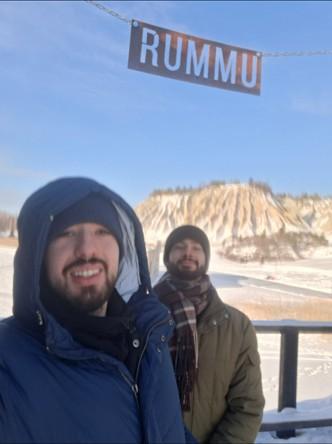
TalTech is a modern university, small but effective. The lecturers are good and caring, and the schedules are very adequate. I would recommend it because TalTech provides a specialized, hands-on education with access to modern equipment. The experience is unique because of Estonia's high quality of life, digital efficiency, and beautiful nature. For someone who has never seen snow, the harsh but beautiful winter is also a very special experience.
What are your plans after graduating?
I would like to find a job opportunity in Estonia and enter the industry here. I have also had the idea of maybe creating a startup in plastics industry. This educational experience has helped me understand the industry much better and prepared me for the next step in the job market.
Read about the Technology of Wood, Plastics, and Textiles Master's program
Admissions are open until 1 June 2026, read more here.