
While some people mark the seasons by holidays and tire changes, others follow the course of nature and the length of the day, noticing blooming, chirping, and buzzing. Jane Raamets, a senior lecturer at Tartu College and head of the industrial ecology program, belongs to the latter and shares her thoughts and experiences on living in rhythm with nature and observing biodiversity. In April, the focus of the “Sustainability Months” is biodiversity, and we invite everyone to notice and preserve the nature around them.
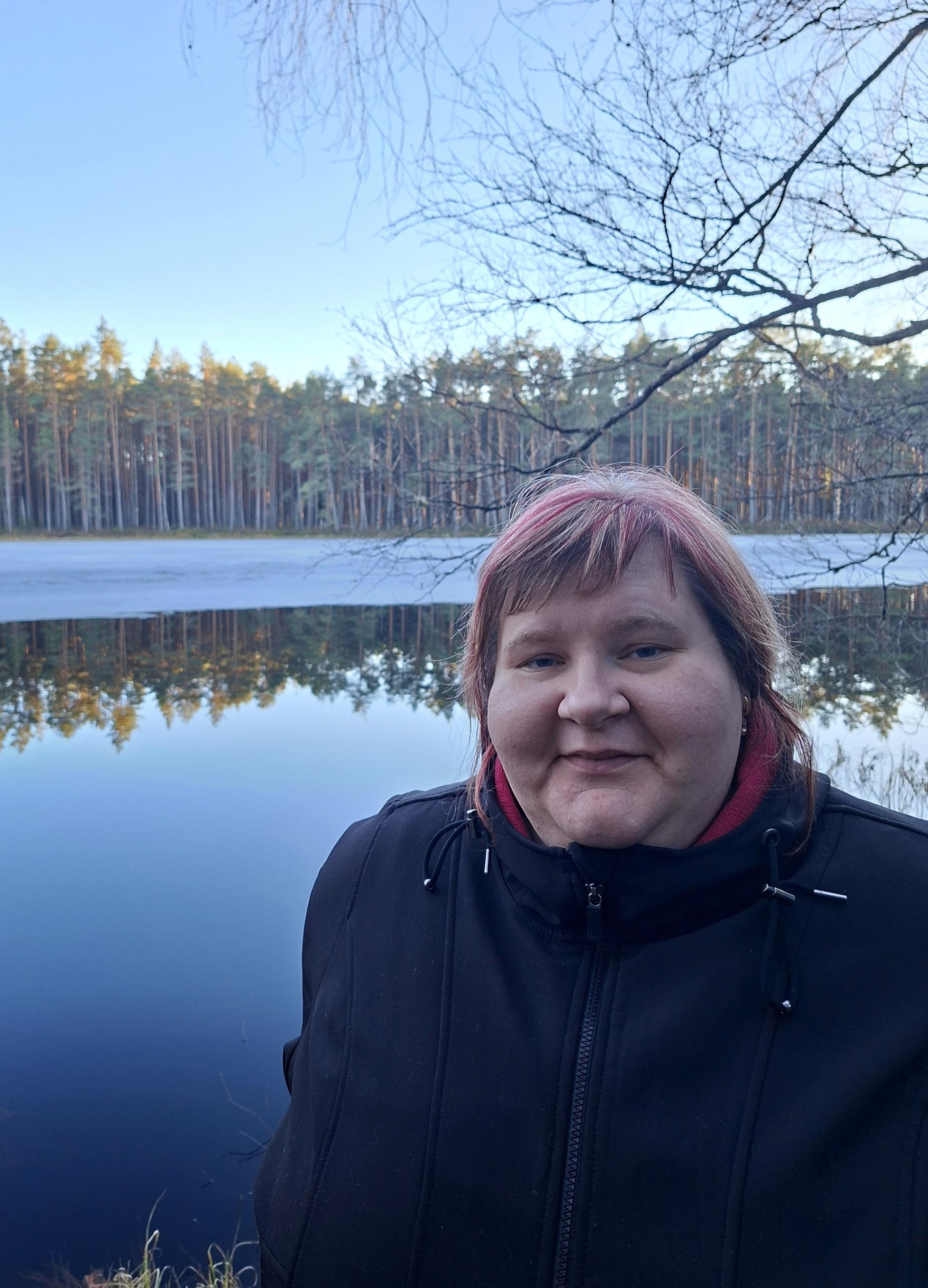
What is your everyday relationship with the surrounding nature?
My relationship with nature is a daily source of balance and joy – both in my home garden and in my office. At home, I have nearly 40 houseplants and a large garden. My office also has almost 10 houseplants, and on the south-facing windowsill, different varieties of tomatoes and summer flowers are already growing. Plants help me concentrate better, as does occasionally looking out the window. On the lawn, jackdaws and crows often gather to feed, sparrows and great tits chirp in the lilac bushes, and in autumn waxwings come to feast on hawthorn berries.
I love moving through forests, bogs, and by the sea – simply walking, listening, and breathing. Places especially close to my heart are Selisoo in Ida-Virumaa, Väike-Palojärv, and the Kooraste lake system in Põlvamaa.
In everyday life, I try to be environmentally friendly: I prefer natural materials, use reusable items, buy second-hand, and since the end of 2023 I have been a volunteer with Tartu Food Sharing, helping once a week to stock the Tartu College student café fridge.
What do you gain from paying attention to the nature around you and its changes?
Noticing nature helps me be more present – it grounds me, creates a sense of calm, and helps balance a fast-paced work and daily routine. Changing nature constantly offers small moments of joy: spring buds, animals awakening, or birds active outside the window. These moments help me maintain focus, reduce stress, and boost creativity. Observing nature also reminds me how important it is to care for the environment and inspires me to make more environmentally friendly choices in my daily life.
Many people justify not going into nature because of discomfort – bad weather, inconvenience, insects, mud, and other people ruin the mood. How do you deal with these?
Three things help me: attitude, preparation, and presence. I have learned to accept the weather and conditions as they are – rain, wind, or mud are no longer obstacles but part of nature itself. I dress in layers and according to the weather so that I feel comfortable even in wet or cool conditions. Insects and mud sometimes bother me too, but when I focus on what the environment offers me in that moment – scents, silence, light, landscape – they become small, secondary inconveniences.
I really enjoy my own company. As for people, I choose places and times that are quieter, such as early mornings or less-traveled trails. This helps me feel that I am truly in nature, not in a crowd. In the end, nature always gives me something in return: peace, balance, and a quiet sense of joy. That easily outweighs any discomfort.
Give one good piece of advice to those who notice plants only in flower or grocery stores, animals only as pets, and insects as something to be controlled.
Try to take one small “real nature” moment every day. It does not have to mean going hiking or visiting a park. To start, it is enough to pause and, for example, look for ten seconds at a garden, a roadside tree, or an insect that has landed on your windowsill, and allow yourself to truly notice what is happening there. When you give yourself the chance to see life beyond store-bought plants or domesticated animals, you will gradually begin to discover how diverse, surprising, and fascinating nature really is. This small habit nurtures both curiosity and care for all living things.