
May brings health, happiness, and peace of mind
We all probably know that movement is the foundation of health and wellbeing. Despite this, 30% of adults and 81% of young people do not get enough physical activity (WHO estimates). Since movement benefits both body and mind, the final month of the “Sustainability Months” initiative focuses on mobility for wellbeing – in other words, moving for yourself.
Movement supports cardiovascular health, improves muscle strength and mobility, helps relieve stress and tension, supports mental balance and mood, and improves sleep and concentration. All of this is free and requires just one decision: I get up and go.
Read the article here.
What everyone can do for their wellbeing:
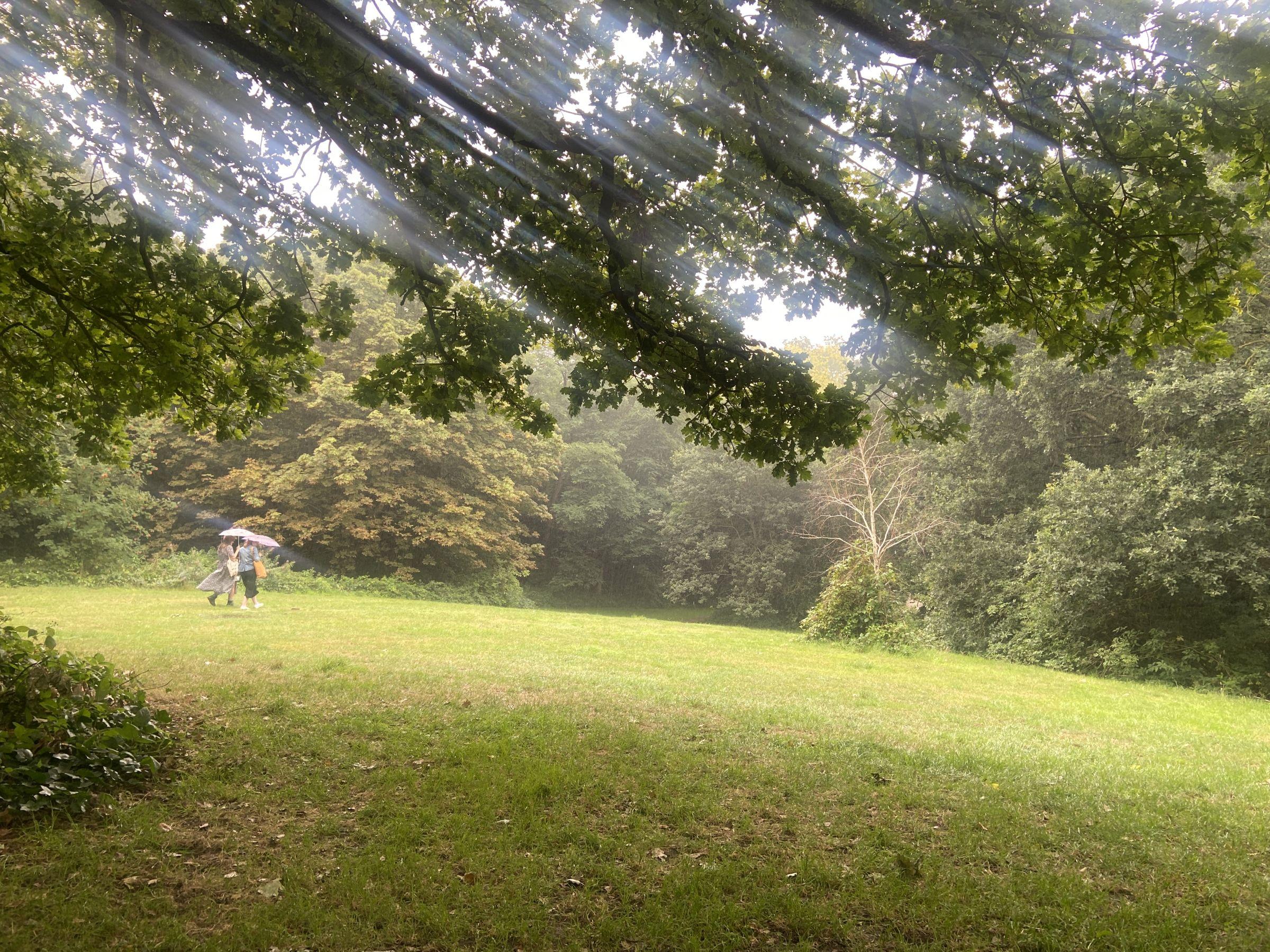
- Move at least 60 minutes every day.
- If getting off the couch is difficult, find a step buddy or invite an old friend for a longer walk each week – you can also catch up while moving.
- Explore new routes instead of your usual ones – take a different path to the bus or shop, or take a walk in the biodiversity-rich campus forest after lunch. Discovering something new is good for your brain!
- Plan at least one hiking or health trail each week. You can find RMK hiking trails and Estonian health trails online.
- Do not forget strength training:
- Outdoor movement helps you stay in better shape, as your body constantly adapts to changing conditions, making it work more than in a stable indoor gym environment.
- If you take the bus, get off 1–2 stops earlier and walk the rest of the way.
- If you drive, park farther away from your destination – on a nearby street or at the far end of the parking lot.
- Use the elevator only when necessary – for example, if you have many items, many floors to climb, or heavy winter clothing. For just a few floors, you do not even save time by taking the elevator!
- Walk 10–15 minutes to lunch (see campus dining options HERE) or take 1–3 laps around the building after eating indoors.
- Combine movement with daily activities:
- stand while working for one hour a day
- replace coffee meetings with walking meetings
- take longer phone calls while walking
- put on your shoes standing up
- move between buildings on foot or by TalTech campus bikes
- …
- find your own movement bits and share them with others
- stand while working for one hour a day
- Relax with the Nature Museum’s audio-guided Path of Mindfulness and Peace.
- Plan your summer with the Estonian Fund for Nature conservation holiday calendar – you get fresh air and movement, nature gets support.
- Find here 14 ways how giving up your car improves your life.
- Watch the programme “On the Trails of Health” on Jupiter.
- Take Yale University’s course on the Science of Well-Being – it is free and open to everyone.
- Listen to Vikerraadio’s daily exercise programme at a fixed time every workday – set yourself a reminder and/or join as a group!
What we can do together at TalTech:
- Take part in the inter-school step challenge.
- Join the TalTech 10K run on 29 May – run or walk, compete or chat with friends, the main thing is to move!
- Join the WhatsApp group, where we’ll share one daily activity prompt throughout May.
- Let’s hold as many meetings as possible outdoors!
- Print and place stretching guides in your kitchen area and near printers (example HERE).
- Organise a step challenge or plank challenge with your colleagues (example HERE).
- Do not forget to use the physical activity benefit in Stebby! Try different sports, participate in community events, or simply go to the nearest gym.
- Find a suitable event in the Estonian Olympic Committee’s national movement calendar.
- In May, walking meeting routes will be marked on the Mustamäe campus: two outdoors and one indoors.
- Come by foot, bike, or bus. Explore campus cycling routes HERE.
- If you are a lecturer, include stretching, breathing, or yoga breaks in your lectures. Sample exercises can be found HERE.
- Be prepared – in May, surprise trainers may visit your office! Take part in short guided exercise sessions.
Initiative: “Sustainability Months”
or “What Everyone Can Do for the Planet – Starting Today”
You could also call it a sustainable academic year:
In the 2025/26 academic year, from September to May, each month will focus on a different sustainability theme. We will bring each topic to life with articles and information, calls to action, events, and entertaining competitions to raise awareness and gently nudge and inspire the university community to adopt more sustainable habits in their daily lives.
WHEN: Academic year 2025/26, from September to May
WHAT: Each month features one sustainability topic, highlighted through articles, information, calls to action, events, and fun competitions
WHY: A university cannot become more climate-neutral or sustainable unless its thousands of people do – because the university is its people. Dedicating a whole month to one topic helps ensure that people internalize the idea of the campaign and continue acting sustainably even afterward.
MAIN MESSAGE: Be sensible!
CORE PRINCIPLE: We do not ban, force, or oppose – we offer opportunities and do things together.
EXPECTED RESULTS: Changes in people’s daily behavior. For example: reduced use of personal cars, lower meat consumption, more energy-efficient use of buildings, avoiding excessive packaging, better health behavior, more conscious consumption, etc.
WE INVOLVE all departments, researchers and students from relevant disciplines, alumni, student organizations, and – through external communication and media – society at large.
CORE TEAM: Mari Öö Sarv, Kätlin Sonk, Henri Suomalainen, Liisu Kirke Normak, Pirgit Pedaja, Milanna Naris, Piibe Kirke Tops, Kristin Rammus
GOT IDEAS? Get in touch! [email protected]
Months and Topics
Estonia is one of the most car-dependent countries in Europe: while the European average is 570 cars per 1,000 inhabitants, Estonia has 630 – placing us 5th in Europe. At the same time, according to 2022 data, 52.8% of Estonia’s population aged 16–64 is overweight or obese; excess weight is becoming an increasing concern already in childhood and adolescence. Constant traffic noise also harms health. In the European Union, noise is considered the second most harmful environmental factor after air pollution. In Tallinn, the main source of noise is traffic. Both are caused by cars. Incidentally, the average car trip in Tallinn is only 3 km long.
So we invite people to step out of their cars – onto bicycles, buses, trains, or sidewalks, if possible. Let’s switch off the autopilot that says “Going somewhere = getting in the car” and start noticing unnecessary or convenience-based trips. For example, do you really need to drive now, or could you walk, take the bus, or share a ride with a friend?
Here are 14 ways avoiding the car makes your life better.
What anyone can do in September
- Experiment with yourself: Every time you get into your car, ask yourself – do I really need to drive right now, or could I manage on foot, by bus, or by sharing a ride with a friend?
- Experiment with others: While stuck in traffic, count how many oncoming cars have only one person inside. How much smaller would the traffic jam be if, for example, a third of those people shared a car or took the bus instead?
- Experiment with your bank account: How many kilometers per week and per month do you drive out of convenience, trips that you could actually do without a car? How much fuel do those trips consume? How many euros could you save each month for, say, your birthday party or a home fund, if you switched those trips to (free) public transport?
- Measure your health: How many active minutes do you usually get in a day if you make all your trips by car? How many minutes do you get if you leave the car at home? And how many if you use the car only for places that are otherwise hard to reach, but continue the journey with other means?
- Measure your time: Since one of the main arguments for using a car is time, let’s measure how many minutes per day and per week you usually spend in traffic jams. How do you usually fill that time – with something useful, fun, or relaxing? (Bonus question: Do traffic jams make you nervous?) If you spent that same time on the bus, what useful, fun, or relaxing things could you do while the bus idles in traffic? (Bonus tip: it’s also an opportunity for meditation.)
- Share your progress, struggles, joys, and frustrations in the Facebook group Roheampsud.
What we can do together in September
- Starting in September, you’ll find directions and departure times for the nearest bus stops posted at the entrances of the Mustamäe campus buildings. Check them – maybe one goes exactly where you need!
- On the Mustamäe campus, all buildings are within a maximum 10-minute walk. Driving doesn’t save much time, yet many still take the car. That’s why we’re bringing some bicycles donated by alumni to campus. Their new life is as campus bikes – carrying staff and students to neighboring buildings. Lock code is in the september newsletter, or ask colleagues!
- If you bike to work or school, depending on the distance and your enthusiasm, you might want to freshen up. “Shower points” are on the campus map.
- The Tipikad Cycling Club invites anyone interested to join their evening rides to exciting places – for example, planned excursions to the TV Tower, Song Festival Grounds, Observatory, and more.
- To give you more motivation to experiment and explore options, we are closing 15 parking spots at the Student House until 22 September. Instead, you’ll find space to play basketball with friends or work out in an outdoor gym. In the same area, you can join a “Financial Literacy Afternoon” hosted by Coop Bank and Tuleva, check out the ISEAUTO self-driving shuttle, and maybe discover something else exciting!
- On 22 September we’ll celebrate World Car-Free Day in style.
World Car-Free Day at TalTech
By 22 September, a large part of the university community will already have discovered some car-free mobility options. We’ll celebrate the International Car-Free Day in the parking lot with dignity and fun.
Don’t stay in your home office that day – come to university on foot, by bike, public transport, taxi, or rideshare, because the freed-up parking area will be full of activities.
This month, we’re talking about coping with climate anxiety on an individual level and exploring the possibilities of degrowth at the societal level. What if we didn’t have to chase economic growth? Is endless growth even possible? What if we stopped wanting more all the time and instead embraced enough? But what is enough – and where does happiness lie, according to wellbeing researchers?
Climate anxiety is a normal response to an abnormal situation.
You are not alone. More and more people are experiencing climate anxiety – it means you care.
Fear for the environment is a sign of empathy, not weakness.
Climate anxiety needs to be heard, not silenced.
Anxiety doesn’t have to mean paralysis – it can also be a catalyst for change.
Even small steps can create a sense of control and help ease climate anxiety.
Acting together with others reduces feelings of helplessness and increases hope.
Climate anxiety is not just an individual issue – it’s a societal signal.
Caring for nature is also caring for yourself.
Sometimes, you just need to breathe – not save the world right away.
Strength is not the absence of fear, but the ability to act despite it.
This year, Earth Overshoot Day was on July 24. Overshoot Day marks the date when we have used up all the resources the planet can regenerate in a year, and this day keeps coming earlier each year.

For Estonia, this day came already at the beginning of March this year. This means we've used up our fair share of renewable resources in just about two months, and for the rest of the year we're living at the expense of the future. So what will be left to live on in the future?
That’s why, in November – before Black Friday and the Christmas shopping rush—we’re focusing on the themes of mindful consumption and reuse.
SOME FACTS
In Estonia, the amount of household waste per person is lower than the European average, but over 12 years the volume has increased by nearly a third.
Estonian residents consume about 12 kilograms of new clothing per person annually, not including purchases from abroad.
Textile waste in Estonia amounts to around 18 thousand tons per year – 14 kg per person.
The majority of our purchases are produced in Asia, ranging from clothing and consumer goods to fine electronics. Postal workers know how much cheap goods arrive in Estonia from China.
These items are produced with a large environmental footprint, often contain harmful toxins for users, and frequently last only a few uses.
Reuse helps reduce the demand for new products. The best way to manage waste is to prevent it.
WHAT EACH OF US CAN DO
Before you buy something, think: what are you buying, from where, and why? Is it because an ad told you to; because you're in a bad (or good) mood; because “it’s so cheap!”; or because last time you bought something poor-quality and it broke?
Repair and upgrade your worn-out gear. A surprisingly common reason for throwing away clothes is that a button fell off. But in that case, it’s better to buy a new button, not a new blazer! Alongside sewing on buttons, it helps to know how to patch small holes with embroidery or an applique, or where in the shopping center they replace coat zippers or shorten trousers and skirts.
Reincarnation of things. Items that are “dead” to you might live on as something new for someone else. An old thing can be reborn with a new function. There's a joke that a coffee table can make a great pallet—but seriously, an old fur coat can become slippers; jeans and shirts can become shopping bags, handbags, or wallets, etc.
Host a swap party with colleagues or friends. Clothes, books, dishes, toys, furniture, and other items no longer used in one home can save another household from buying new.
Do the math: if something is 30% off, not buying it saves you the other 70%!
Black Friday and Cyber Monday are coming. Prepare wisely: think in advance about what you actually need and find out the regular prices. That way you’ll save money on things you truly need and avoid impulse buys just because “it was so cheap!” (See previous point.)
If you're used to rewarding or comforting yourself with shopping after a tough week, try finding new ways to treat yourself. Hard week? Spend the “comfort purchase” money on a massage! Achieved something big? Celebrate with a concert instead! Low on money? Instead of chasing sales, bundle up, take a thermos and some snacks, and spend a few hours outside watching the waves or listening to a babbling brook! (See also two points up.)
Rarely used items can be rented instead of bought.
Plan your Christmas gifts in advance to avoid last-minute panic buys that bring joy to neither the giver nor the recipient. Ask your loved ones early on to write a “letter to Santa” and take your time choosing something truly right for them. Think about non-material or digital gifts too. Instead of a random book, cooking together in your kitchen, a trip to nature, or a shared cultural experience may hold more value. Rather than a thing, a gym membership, massage voucher, or a subscription to a digital platform might bring more joy—if you know the recipient would truly appreciate it. Food is always a good gift, since it won’t sit unused on a shelf—gift fair-trade chocolate, local farmers’ goods, or your own homemade preserves. This applies to birthdays as well.
If you’ve truly thought it through and it makes sense to buy something new, choose something durable—preferably from local producers. In the long run, it’s cheaper and saves you stress.
WHAT WE CAN DO TOGETHER AT TALTECH IN NOVEMBER
From November 3 to January 16, you can get a closer look at various clothing materials. How to choose the right fabric and what to leave on the rack? What lasts, what breathes, what decomposes quickly, and what never does? Visit the material exhibition “How to Package a Human” in the SOC building foyer.
On November 8, from 11–16, the Lapikud Repair Café will be in the main building café, where you can repair your broken items – whether an electrical or electronic device, clothing, or something else. Tools and instructors will be available on-site. Dig out that old broken lamp or toaster and bring it back to life! The Repair Café is open to everyone, not just the university community.
From November 10, visit the exhibition “Cherish What Lasts” in the main building foyer. Many homes have an old beloved item that could be replaced with a new, modern one—but just wouldn't be as good. Things used to be made to last! This November, we’ll exhibit such treasured old items collected from university households.
On November 11–12, the Student House will host the Clothing Swap. Bring clean, wearable clothes you’re tired of and during the event, choose something from what others have brought. NB! This is also a chance to prepare for the Alumni Ball—swap ballgowns and formal wear so you don’t have to buy a new dress just for one event!
At the TalTech Late Autumn Fair on December 2, we’ll start getting ready for Christmas. Everyone can bring their handmade crafts or upcycled goods to sell. Start preparing now and you’ll soon be able to reserve a sales table.
We’re also organizing a gift circular economy at the fair! Got a vase from a neighbor that doesn’t fit your decor? A book from your boss you don’t care about? Too many scarves, ties, or earrings as gifts? Bring your unused presents to the fair and trade them for someone else’s unused gift that suits you better!
In November, we focused on consuming less. In December, we smoothly shift the focus to consuming with as little packaging as possible.
In Estonia, each person generates around 373 kg of municipal waste and 145 kg of packaging waste per year. The amount of waste generated by Estonians hasn’t significantly changed in the past 10 years, even though we’re supposed to sort waste to improve recycling. Although 69% of Estonians sorted their waste in 2023, conscious plastic consumption dropped from 45% to 31%. And while people do sort their waste, they still buy far too much single-use packaging.
When grabbing yet another plastic bag at the store, it’s easy to say: “What difference does one bag make?” But in Estonia, the average person uses 152 lightweight plastic bags per year, placing us 6th in the EU. By the end of the year, people in our small country will have used over 208 million plastic bags. Were they all truly necessary?
This December, we’re inviting everyone to notice excessive and pointless packaging – and how the lifespan of some packaging is as short as 50 seconds.
What everyone can do to reduce waste?
Get familiar with the waste pyramid – the waste hierarchy pyramid helps identify the most environmentally friendly order for dealing with waste. The principle is to minimize the environmental impact of waste management as much as possible. In a circular economy, waste generation is minimal and resources are kept in circulation for as long as possible. That is the goal.
At the very top of the hierarchy is waste prevention – avoid buying single-use products, prefer reusable packaging and dishes, avoid double packaging and temporary solutions.
Waste prevention is followed by preparing waste for reuse and recycling, meaning making new products and materials from waste. Recycling is followed by other forms of recovery. This includes energy production, meaning simply burning waste to generate heat or electricity, but also using material as filler – here materials are given a new function, but their useful journey also ends there and they leave circulation. Landfilling is the least preferred solution.
Try an experiment yourself: collect and photograph your weekly “waste footprint.” Make a short summary of what types and quantities of waste are generated and where they come from. Share the results in the Roheampsud Facebook group – this way we can see how different our everyday patterns can be. The goal is simple: less than the neighbor!
- Avoid throwing things away – if something is left unused in your home, somewhere there may be someone who needs it. Keep things in circulation! Here you can give your belongings a new life or find them new owners.
- In the context of your own waste generation, rethink your Christmas gifts, holiday decorations, and even your food table. Here you can find plenty of suggestions.
- Wrap your gifts in reused materials and share tips and pictures in the Roheampsud Facebook group.
What we can do together at TalTech?
- Reusable fabric shopping bags, which have become popular as sustainable gifts, have themselves become a separate type of waste. Let’s bring the bags back into circulation! In December, we will place fabric bag stands near the outer entrance of every academic building. First, everyone can bring reusable shopping bags that have accumulated in drawers at home; second, anyone leaving the building and realizing they are stopping by a store can grab a bag from there. This helps avoid spontaneous plastic bag purchases.
- In the student kitchen, we have placed a cabinet for cleaning food containers. Plastic containers lying unused at home are also welcome there so they can find use among students or staff. Food containers can also be brought out from cabinet corners into other shared kitchens.
In the cold winter months, when the sun barely shines and the wind turbines fall silent, energy consumption is high in northern climates. In Estonia, around 50% of all energy use goes to buildings, and according to Statistics Estonia, a large share of our energy is still produced from non-renewable natural resources, such as oil shale. The Ministry of Climate aims not only for cleaner energy production, but also for more sustainable energy consumption.
For example, people tend to cool indoor spaces and cars to 18°C in summer, while heating them to 24°C in winter. Instead, we invite everyone to embrace the four seasons (while we still have them!) and accept slightly warmer temperatures in summer and slightly cooler ones in winter. In summer, it’s perfectly fine to ditch the jacket and wear short sleeves; In winter, pull on wool socks, a sweatshirt, or a cardigan.
Everyone can also turn off lights and unplug devices they’re not using, and adjust the fridge temperature at home or in the lab to be a degree or two warmer, if possible.
What everyone can do to save energy in buildings?
- If you feel cold or hot, start by adjusting your clothing. In winter, wool socks and warm sweaters are appropriate; in summer, there is no need to wear a blazer. This also applies in the car!
- In winter, allow your home to be a little cooler; in summer, a little warmer. 21–22 degrees Celsius is the optimal indoor temperature in winter, while the bedroom can be cooler.
- You sleep better in a cool bedroom if you invest in a good thick blanket. Fresh-looking skin comes as a bonus!
- Check your doors and windows and, if possible, reseal them.
- Using stairs instead of elevators saves building energy, keeps you warm, burns calories, improves blood circulation to the brain, AND tones muscles – one good deed for the environment, four benefits for you!
- If you tend to lose track of time in a hot shower, play a five-minute song while showering – when the song ends, it is time to finish.
- Turn off the lights when leaving a room.
- Check the condition, settings, and habits related to your refrigerator – maybe the freezer does not need to be THAT cold, maybe the appliance is icy, or maybe you are putting food in while it is still too warm.
- Maintain your heating devices regularly – this helps them last longer.
- Unplug devices you are not using, including chargers.
- Know your materials and choose warmer layers for winter – wool and cotton retain body heat, acrylic and polyester do not.
- At the university souvenir shop, you can find hoodies, blankets, and thermoses that help provide and retain warmth during the winter months.
- During the first week of February, we are organizing a hoodie week and sweater swap. Wear your cozy warm clothes and wool socks and make yourself comfortable! If you have sweaters, hoodies, or scarves sitting unused in your closet, bring them to the “sweater swap”!
- Borrow a thermal camera from the university and see for yourself where your home’s cold bridges are, where warm air accumulates, and which clothes keep you the warmest.
- Get a CO₂ sensor and ventilate rooms when necessary. To do this, briefly open many windows at once – this refreshes the air without cooling down the walls. Fresh air makes you smarter and helps you sleep better!
- Boil only as much water for tea as you need, not a whole kettle.
- Heat an electric sauna only as much as necessary as well.
- If you are ironing or baking, do more “in one heating.”
- Water boils at one hundred degrees – maximum stove heat will not cook eggs or potatoes faster than minimum heat.
- Eat foods that help you stay warm longer – instead of cold smoothies, choose spicy lentil stews, hearty soups, and rich (but fair-trade) cocoa.
- Encourage colleagues and friends too – for example, organize an energy-saving competition.
In 2023, the average Estonian used about 91 litres of water per day, making us one of the most water-efficient nations in Europe. However, 82% of Estonia’s water use still goes to cooling power plants. While this number is decreasing—along with water use in industry and agriculture—we face clear problems with pollution loads. According to environmental assessments, nearly half of Estonia’s surface water bodies are in poor or very poor condition. The main reasons are eutrophication (nutrient overload), dams, and the presence of hazardous substances like mercury and cadmium in fish, as well as wastewater reaching surface and groundwater.
When it comes to food, we’re not nearly as efficient. According to a 2021 study, over 80,000 tonnes of food were wasted in Estonian households—that’s nearly half of all food waste. The biggest contributors were families with children, followed by young people living alone and young couples without children.
Reducing food waste leads to less food production, lower energy consumption, reduced use of water, fertilizers, and agricultural land. It also saves money on transportation and waste management— and most importantly, helps each of us save money in our own households.
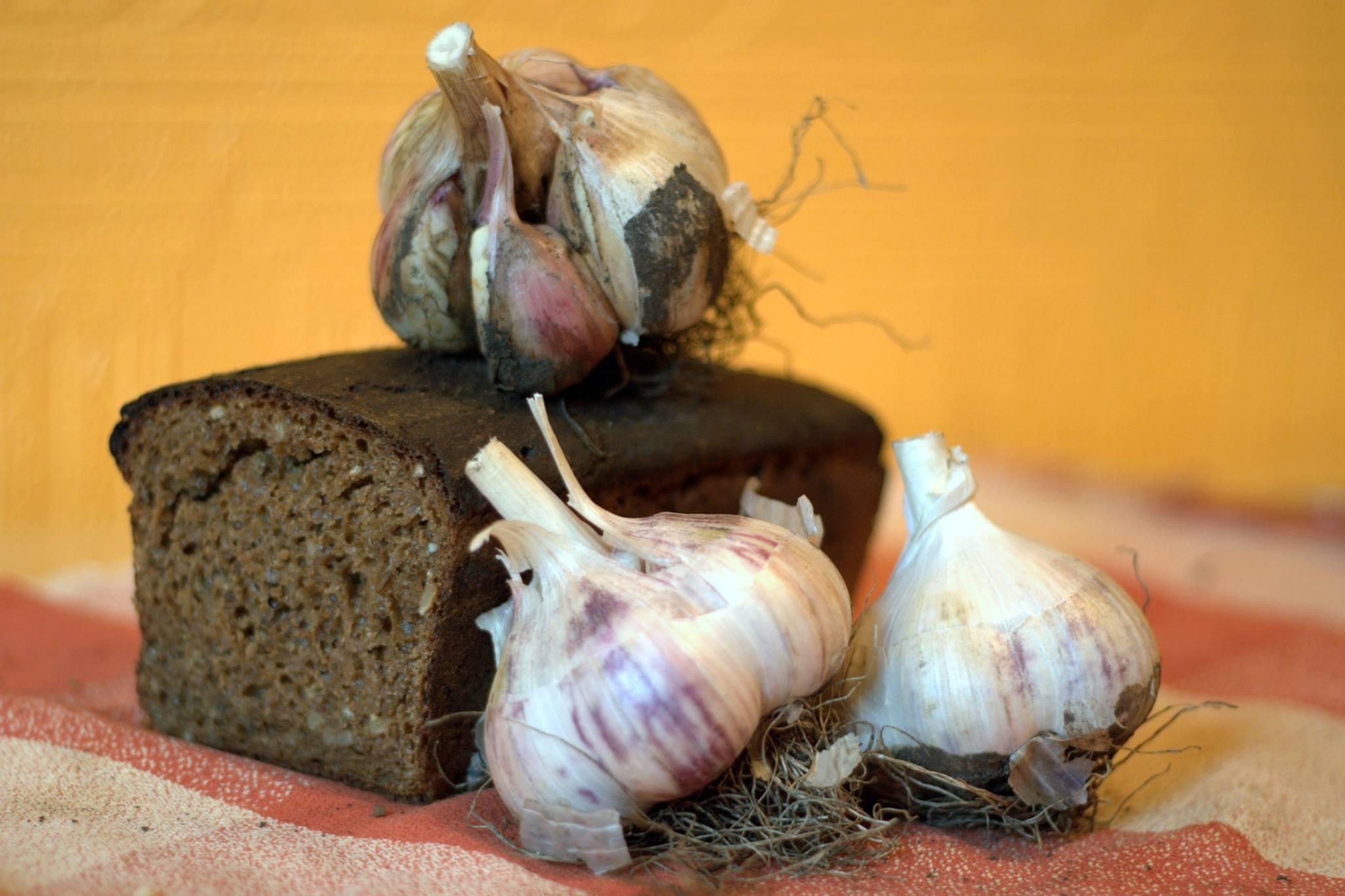
While about one in ten people on Earth goes to bed hungry each night, a third of the food produced globally is thrown away, and half of the people in Western countries are overweight. Hunger and waste may occur in different parts of the world, but everyone benefits if we grow and produce only as much food as we actually need. That’s why the focus of the Technical University’s Sustainability Months this February is on sustainable food and water.
A few facts:
- Nearly a third of the food produced globally is thrown away. That amount could feed about 2 billion people.
- Over half of it is thrown away in households.
- In Estonia, around 167,000 tons of food waste is generated annually. The amount of food waste and food loss generated in households is the highest compared to other parts of the food chain.
- 42% of the food waste in Estonian households is food loss—that is, food that could have been eaten.
- Altogether, Estonian households throw away food worth approximately 97 million euros per year as food loss.
- One person generates around 60 kg of food waste per year in their household, of which 26 kg can be considered wasted food or food loss.
- The most commonly wasted items are vegetables, prepared food leftovers, fruits and berries, as well as milk and dairy products.
- The main reason food is thrown away is spoilage.
What everyone can do to save food
- Plan your meals in advance and shop according to the plan.
- Many grocery stores sell food nearing its sell-by date at a discount. If you only buy what you’ll eat immediately, you’re saving food AND money. Note: only buy what you actually need.
- If you stock up on discounted goods too enthusiastically and they spoil before you can use them, that’s not saving. If it seems you won’t eat something in time, freeze it or heat it up!
- Bread and rolls can also be frozen successfully.
- Store food at the right temperature. Also pay attention to basic physics in the fridge—the door shelves are warmest, bottom shelves are coldest.
- Avoid storing fruits and vegetables in plastic bags.
- Freeze local seasonal foods.
- If you've cooked too much, portion the leftovers and freeze them. Keep a visible list in the kitchen of what meals you have in the freezer. Store food in portions and label them. They’ll soon come in handy for (schoolkids’) lunches!
- “Best before” is not the same as “use by.” Before throwing food away, evaluate it with your eyes, nose, and mouth.
- Organize your fridge so you always know what you have, and so quickly perishable or open items don’t get lost at the back.
- Set up a “eat first” shelf for items nearing spoilage and consume them first.
- Plan 1–2 meat-free days per week. For example, “plant-based Tuesday.” It’s a win for your health, your wallet, and your environmental footprint.
- Plan one leftover day per week to cook with what you already have at home.
- Grow your own food. It’s the freshest, closest, and you’re least likely to waste it.
- Slightly bruised fruits work well in smoothies, leftover veggies and sauces can become soups or pasta toppings, sour milk and leftover porridge make great (pan)cakes, etc.
- Take a smaller portion first and go back for more if needed. This applies to buffet tables too—like in hotels, on ferries, and at events—where the biggest food waste is from guests’ plates.
- Eat until you’re full, but don’t overeat—that’s food waste too.
- When eating out, ask to have your leftovers packed up. There’s no shame in that—what would be shameful is wasting food.
- Give food scraps to animals, compost them, or dispose of them with biodegradable waste, so they turn into energy or return to nature.
- Keep track of the amount and type of waste you generate. You might spot waste patterns you weren’t even aware of.
The digital footprint refers both to the invisible volume of data and to the physical electronic devices required to run it. Every smart device in your hand or drawer, every photo backed up to the cloud or uploaded to Instagram represents an environmental burden that is increasing faster than anyone can measure. In March, the focus of the “Sustainability Months” is digital trash and e-waste. We invite everyone to think about their digital lifestyle: what and how we watch and listen to, what we keep, what we delete, and what we pass on.

Digital waste in your pocket
Reading this section will take you at most 60 seconds. The Final Straw Foundation points out that in 60 seconds, globally combined, more than 4.3 million YouTube videos are watched, 764,000 hours of Netflix are streamed, nearly 700,000 Instagram visits occur, 1,400 TikTok downloads happen, 4.1 million Google searches are made, 59 million WhatsApp messages are sent, and 190 million emails are delivered.
We can be fairly certain that all internet users produce digital waste; even more so those who carry a smart device in their pocket; and even more so daily social media users. We simply do not think about it—because it is invisible. We encounter digital waste directly when we need to find something among our photos, files, or data but cannot, or when our disk or cloud storage runs out and we must choose whether to buy more space or clean up what we already have.
In the latter case we truly notice what is taking up space: fifteen photos of a birthday cake get in the way, fifteen partial copies of a long-submitted thesis, article, or project application, or fifteen data files that turned out to be useless. All of these occupy space on our devices or are backed up to cloud servers, and together they create an invisible environmental burden. It has been estimated that “dark data”—data that is stored but actually unnecessary and which, according to different estimates, makes up 60–85% of all data—generates more than 5.8 million tons of CO₂ annually, roughly equal to the yearly emissions of 1.2 million cars. The accumulation of “dark data” could already be called digital permafrost, as it becomes buried ever deeper under new photos and other data that we do not need but that are automatically backed up to the cloud.
A large but invisible environmental burden also comes from using social media. For example, scrolling through X or Instagram during a bus ride means not only that your device will need charging again, but also that the platform’s servers and algorithms consume energy to calculate what to show you next. Between these two, energy is also required to transmit the internet itself. Globally, 46 billion GB of mobile data traffic is used every month; of this, 66.2% is consumed by video apps and 10% by social media. Streaming accounts for about 75–80% of all internet traffic; for example, watching a two-hour stream from a cloud service produces 112–228 g of CO₂. That is equivalent to charging a smartphone 23 times.
So it is worth considering what scrolling through fast content actually gives you—do you remember ten minutes later what you watched, did you truly need it in your life, or could you instead have called your mother, read a book, rested your eyes, or meditated?
More recently, the use of artificial intelligence has also been increasing internet consumption. A single ChatGPT query is roughly ten times more energy-intensive than a regular Google search. So you also do the environment a favor when you turn to AI only when you truly need it, not when you simply do not feel like thinking. Incidentally, you also do your own mind a favor by doing so.
A gold mine in your pocket
More tangible is the management of the devices that power our digital lives. Each year, the world generates 50 million tons of electronic waste containing resources worth more than 60 billion dollars. Only 17% of it is recycled—incidentally, Estonia is among the European leaders in bringing electronics into recycling.
Everyone knows how many old phones or computers they have resting in drawers at home, but altogether there are about 350 million tons of such devices. Less well known is that all these devices contain both toxic and valuable chemical elements; it is estimated that they hide raw materials worth 45 million dollars. That is why it is important that these devices reach recycling at the end of their life cycle—the materials can be used in new devices instead of extracting another batch from the Earth. Recycling one million mobile phones, for example, yields 16,000 kg of copper, 350 kg of silver, 34 kg of gold, and 15 kg of palladium.
In 2019, Professor Michael Hitch proposed that Estonia could become a country specializing in exactly this kind of “mining.” “By the time you have arrived at work, you have used hundreds of tools, products, and convenience items that could not exist without the mining, processing, and overall availability of minerals from different parts of the world,” he described at the beginning of his speech, and then made a proposal: “The future of raw material extraction in Estonia may not rely on traditional underground mining. Estonia could become a European leader in urban mining and in extracting strategic and other critical materials from waste. These waste materials can be used as resources to promote industrial synergies and integrated into existing value chains and processes.” He noted that extracting gold, copper, and other metals from discarded electronic devices is 13 times cheaper than mining new materials.
What can everyone do to reduce their digital footprint?
- What can everyone do to reduce their digital footprint?
- An email with a large attachment “weighs” more than 10 times the CO₂ of a text-based email. Prefer collaborative work environments instead of sending files by email, and send links rather than attachments!
- Unsubscribe from newsletters you don’t actually read and notifications that are not truly useful to you.
- Also get rid of apps you don’t actually use, and delete abandoned accounts in forums and online environments.
- Open browser tabs consume energy. If you want to save something, bookmark the link instead of keeping the tab open.
- Streaming accounts for about 75–80% of all internet traffic. Consume only valuable content, choose lower-quality streaming when possible, and watch or listen offline whenever you can.
- Avoid using the camera in online meetings if it isn’t necessary. If all participants are in the office, it makes sense to meet in person rather than online.
- Every click counts: don’t waste your mind, your time, or the planet’s resources scrolling through meaningless fast content.
- Prefer a simple search engine to artificial intelligence; use AI when your own thinking truly isn’t enough.
- Back up to the cloud only what actually needs to be there. Back up other things to a local drive.
- Make digital cleaning a routine: clean your inbox of useless emails every week and sort your photo albums every month. Reward yourself by playing a favorite record (of course offline or from a physical record, not via streaming).
- About 75% of a device’s total footprint occurs during the manufacturing stage. Extend the life of your devices by regularly cleaning them—both from dust and from unnecessary apps and digital clutter.
- After a device reaches the end of its life, take electronic waste to a collection point or recycling center rather than leaving it in a drawer. Small electronics (that fit in your hand or handbag) can be returned to stores that sell such devices, as manufacturers and distributors are obligated to take them back. See kuhuviia.ee.
- If the device still works, sell it or donate it.
March 21 is the Global Digital Cleanup Day
Five reasons to clean up digital waste:
- Less burdened devices work faster and last longer.
- You find what you need more quickly.
- The fewer accounts and data you have, the lower the risk of leaks.
- If your storage isn’t full of junk, you don’t need to buy more space.
- In the end, it also reduces greenhouse gases. A more convenient life for you, a better life for the planet.
Read digital cleanup tips here as well.
Tips for digital cleanup
Clean your Desktop
- Delete unnecessary files.
- Sort the necessary files into appropriate folders.
- Create a clear and logical folder structure for yourself by topic, project, or date.
- Train yourself to save files directly to the correct location instead of the Desktop.
Review Downloads and empty the trash
Downloads:
- Decide for each file: keep or delete.
- Move necessary files to the correct folder.
- Delete unnecessary files immediately.
Trash:
- Empty it regularly to free up disk space.
Delete unnecessary programs
- Open: Settings → Apps.
- Remove programs you do not use.
- Fewer programs = more disk space and a faster computer.
Make space in the cloud
Delete files from email servers and cloud storage that you do not actually need. Start with the largest ones.
Organize photo albums both on your device and in the cloud where they are backed up—delete duplicate photos and meaningless snapshots and keep only what you truly want to look at again.
Block spam senders. Even directing them to a separate folder still uses the resources of your devices and email servers.
Protecting nature is not for nature’s sake – it’s for ourselves. Our economic systems, societies, and lives all rely on the services provided by ecosystems – the best-known examples include clean air, water, and food. The main drivers of biodiversity loss are changes to natural habitats, driven by intensive agriculture, construction, mining, and the overexploitation of forests, oceans, rivers, lakes, and soil. Other major factors include invasive alien species, pollution, and increasingly, global climate change.
One might think that Estonia has a lot of clean nature and little pollution. But it’s important to remember that the European lifestyle depends heavily on global resources and imported goods from around the world.
Biodiversity is as essential to humans as clean air, water, and food – in fact, it is biodiversity that ensures we have clean air, water, and food. However, this is one area where we have exceeded the planet’s limits of tolerance.
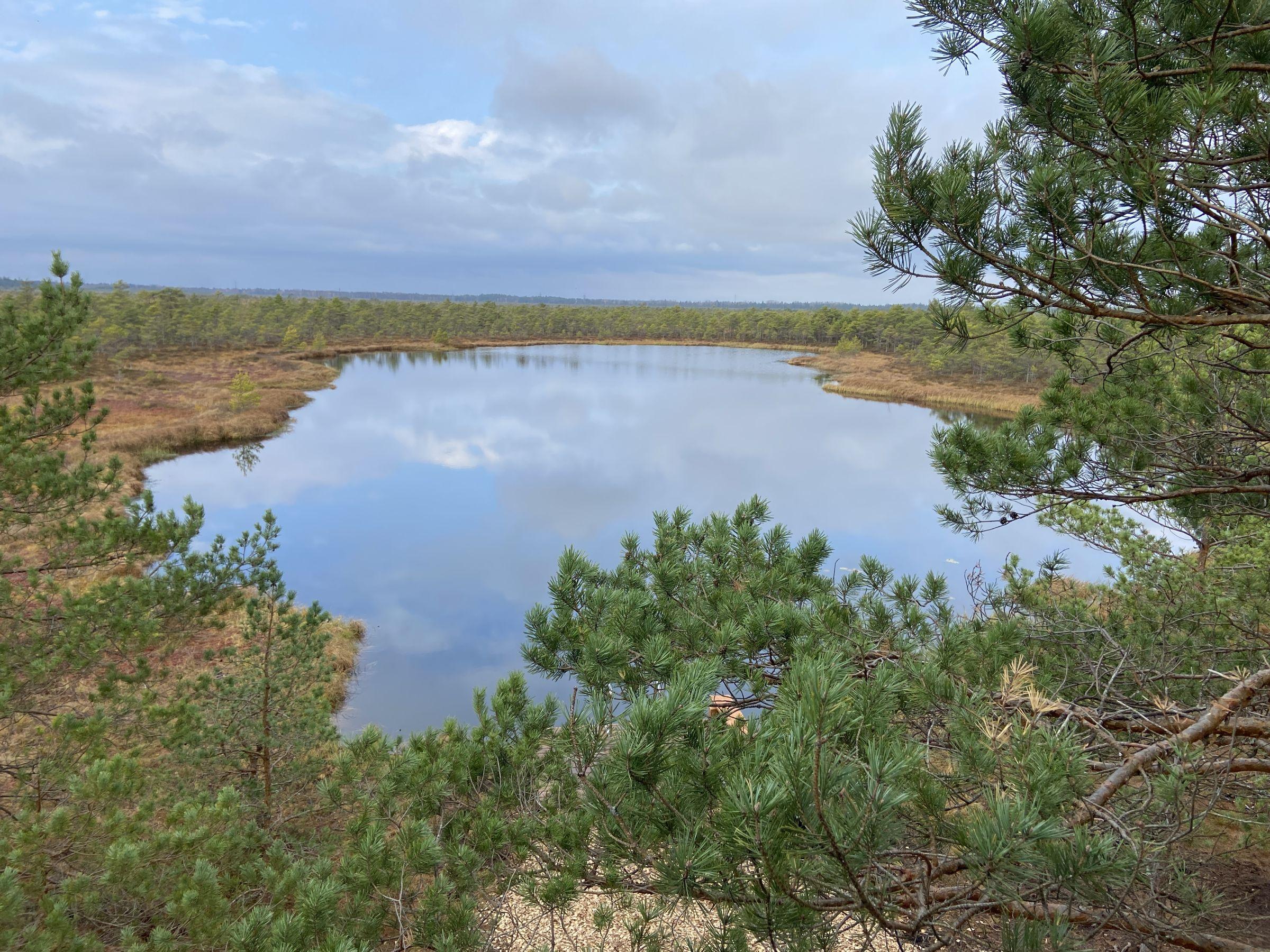
According to the WHO, more than 75% of global agriculture—and thus our food supply—depends on pollinators, amounting to 235–577 billion US dollars annually. Between 1970 and 2024, global GDP increased thirtyfold, while the Living Planet Index, which reflects the state of biodiversity and ecosystem functioning, declined by over 70%, and the global temperature rose on average by about 0.2°C per decade. So far, global economic development has been inversely related to the preservation of the planet’s biodiversity, and according to the World Economic Forum, nearly half of the world’s GDP depends on the natural environment and its resources.
Moreover, GDP does not account for all natural resources—they only become part of the “economy” once they are turned into money. In other words, the destruction of rainforests does not appear as a negative in GDP, but generates “profit” when forests or land are monetized. Biodiversity is lost, the economy “wins”—but what has it really gained? According to the UN biodiversity platform IPBES (2024), the unaccounted costs of current economic activities, including the impacts of biodiversity loss, amount to at least 10–25 trillion US dollars per year.
Thus, it is not possible to say which is more important, the economy or nature, because the economy can only function by taking biodiversity into account. And fitting economic activity within the planet’s limits is precisely what humanity has so far failed to achieve.
Read the article here.
What everyone can do for biodiversity?
- Plant native species in your garden or on your balcony for the summer. They support insects, birds, and other animals much better than exotic ornamental plants. Explore the biodiversity-friendly landscaping catalogue here.
- In spring, keep an eye on the “Frogs on the Move” volunteer page and, when frogs begin migrating, go help them!
- Find interesting volunteer opportunities for your holidays or weekends in the Estonian Fund for Nature’s volunteer calendar (updated regularly!).
- If you own a forest, leave all or part of it entirely to nature. A forest is more than just standing trees—it is a living environment.
- If you have a lawn, delay the first mowing – try “No Mow May”!
- Leave part of the lawn unmowed and/or sow native meadow plants there, providing food and habitats for many species, including pollinators.
- When you do mow, do not cut lower than 6–8 cm, helping to retain soil moisture and support soil life.
- If you have asphalted areas, consider at least partially replacing them with greenery. For example, plant some local (fruit) trees to provide shade in parking areas or add native flowers to a flowerbed next to a bench.
- Contribute to combating invasive species. Read more here.
- Contribute to monitoring and take part in nature observations.
- Avoid using pesticides and chemical fertilizers in your garden, as they harm pollinators, soil life, and water bodies.
- By preferring local and organically produced food, you help reduce the environmental impact of agriculture.
- 2026 is the Year of Small Islands. Estonia has over 2,300 islands, and the Estonian Fund for Nature invites you to experience their charm: take part in volunteer work, observe birds, gather herbal plants, unwind—and breathe in rhythm with nature.
What we can do together at TalTech?
- Explore the biodiversity of TalTech’s Mustamäe campus here.
- Discover the biodiversity of the Mustamäe campus forest through guided tours:
- a forest life tour with nature guide and traveler Hendrik Relve on April 21 at 17:30. Register here.
- a tour of the Iisaku stream with freshwater ecologist Jürgen Maidla on April 23 at 17:30. Register here.
- a birdsong tour with amateur ornithologist Peep Veedla on April 28 at 17:30. Register here.
- On April 22, Earth Day, the Climate Collage game will take place at the Student House. This internationally popular game helps participants understand climate change, its causes, and consequences. Read more here and sign up!
We all probably know that movement is the foundation of health and wellbeing. Despite this, 30% of adults and 81% of young people do not get enough physical activity (WHO estimates). Since movement benefits both body and mind, the final month of the “Sustainability Months” initiative focuses on mobility for wellbeing – in other words, moving for yourself.
Movement supports cardiovascular health, improves muscle strength and mobility, helps relieve stress and tension, supports mental balance and mood, and improves sleep and concentration. All of this is free and requires just one decision: I get up and go.
Read the article here.
What everyone can do for their wellbeing:
- Move at least 60 minutes every day.
- If getting off the couch is difficult, find a step buddy or invite an old friend for a longer walk each week – you can also catch up while moving.
- Explore new routes instead of your usual ones – take a different path to the bus or shop, or take a walk in the biodiversity-rich campus forest after lunch. Discovering something new is good for your brain!
- Plan at least one hiking or health trail each week. You can find RMK hiking trails and Estonian health trails online.
- Do not forget strength training:
- Outdoor movement helps you stay in better shape, as your body constantly adapts to changing conditions, making it work more than in a stable indoor gym environment.
- If you take the bus, get off 1–2 stops earlier and walk the rest of the way.
- If you drive, park farther away from your destination – on a nearby street or at the far end of the parking lot.
- Use the elevator only when necessary – for example, if you have many items, many floors to climb, or heavy winter clothing. For just a few floors, you do not even save time by taking the elevator!
- Walk 10–15 minutes to lunch (see campus dining options HERE) or take 1–3 laps around the building after eating indoors.
- Combine movement with daily activities:
- stand while working for one hour a day
- replace coffee meetings with walking meetings
- take longer phone calls while walking
- put on your shoes standing up
- move between buildings on foot or by TalTech campus bikes
- …
- find your own movement bits and share them with others
- stand while working for one hour a day
- Relax with the Nature Museum’s audio-guided Path of Mindfulness and Peace.
- Plan your summer with the Estonian Fund for Nature conservation holiday calendar – you get fresh air and movement, nature gets support.
- Find here 14 ways how giving up your car improves your life.
- Watch the programme “On the Trails of Health” on Jupiter.
- Take Yale University’s course on the Science of Well-Being – it is free and open to everyone.
- Listen to Vikerraadio’s daily exercise programme at a fixed time every workday – set yourself a reminder and/or join as a group!
What we can do together at TalTech:
- Take part in the inter-school step challenge.
- Join the TalTech 10K run on 29 May – run or walk, compete or chat with friends, the main thing is to move!
- Join the WhatsApp group, where we’ll share one daily activity prompt throughout May.
- Let’s hold as many meetings as possible outdoors!
- Print and place stretching guides in your kitchen area and near printers (example HERE).
- Organise a step challenge or plank challenge with your colleagues (example HERE).
- Do not forget to use the physical activity benefit in Stebby! Try different sports, participate in community events, or simply go to the nearest gym.
- Find a suitable event in the Estonian Olympic Committee’s national movement calendar.
- In May, walking meeting routes will be marked on the Mustamäe campus: two outdoors and one indoors.
- Come by foot, bike, or bus. Explore campus cycling routes HERE.
- If you are a lecturer, include stretching, breathing, or yoga breaks in your lectures. Sample exercises can be found HERE.
- Be prepared – in May, surprise trainers may visit your office! Take part in short guided exercise sessions.
Media
2.04.2026 Our own lives also depend on biodiversity
2.04.2026 Jane Raamets: Noticing nature helps me be more present
2.04.2026 Liina Tabri: We must preserve not only green space, but also meaningful biodiversity
16.03.2026 Edmund Laugasson: Free software extends the life of a computer and increases freedom
16.03.2026 Kristina Vassiljeva: The cloud is not a strategy, but a technical tool
11.02.2026 The invisible water footprint goes further than we think
5.02.2026 Where does food come from and where does water go?
3.02.2026 What to wear to keep warm close to the skin?
23.01.2026 What to eat during cold weather?
8.01.2026 Martin Thalfeldt: I can clearly feel the effects of poor ventilation in the mornings
7.01.2026 Riina Uska: If the Room Feels Cool, I Put on Socks and a Sweater
7.01.2026 Jarek Kurnitski: Winter Indoor Temperatures Are a Paradox
7.01.2026 January Is the Month of Light and Heat
8.12.2025 Iris Mäeots: The least I can do is use things up completely
8.12.2025 TalTech Gift Shop and Merilin Saar: we reuse all packaging materials that arrive with new products
8.12.2025 Birgy Lorenz: Does anyone even know what to put in the general waste bin?
20.11.2025 Headache-Free Holidays: Think, Communicate, Plan
3.11.2025 In November, we focus on mindful consumption
21.10.2025 Pirjo Spuul: Change begins with people who seek and create solutions
15.10.2025 Karoliina Rebane: The World Changes When Many People Do Many Small Things
30.09.2025 In October, We Must Also Talk About Climate Anxiety
17.09.2025 Lauri Anton: With a bike, I know exactly when I’ll arrive
16.09.2025 Merli Reidolf: Movement brings new thoughts and solutions
16.09.2025 Katrin Arvola: I felt that lack of movement was affecting my health
11.09.2025 Alumni-donated bicycles become TalTech’s campus cruisers
11.09.2025 Sustainability months encourage less car use
9.09.2025 Be reasonable: 14 ways avoiding the car makes your life better
27.08.2025 September at TalTech begins with challenges and ends with an open-air cinema
17.06.2025 Nine months for the university’s rebirth