
Energy use in buildings accounts for slightly more than half of final energy consumption. Considering our latitude and four distinct seasons, this is hardly surprising. Curiously, however, Estonians are among the most warmth-loving people in Europe during winter. For this reason, in January, when there is plenty of cold outdoors but little sunlight and wind, the focus of TalTech’s “Sustainability Months” is on heat and light, in other words, energy use in buildings.
From Idealistic Green Transition to Realistic Action
Prof Kurnitski, Head of the Nearly Zero Energy Buildings Research Group, explains that buildings hold the greatest potential for energy savings. This is why Europe has agreed on key targets at the EU level: increasing the share of renewable energy, reducing greenhouse gas emissions and improving energy efficiency. According to Kurnitski, the average energy use of the residential building stock should decrease by 16% by 2030 and by 20% by 2035, and by 2050 the building stock should be climate neutral. The main goal is clear: buildings must consume less energy.
To this end, Estonia has implemented large support schemes for apartment buildings, which are actively used by housing associations. Although not everyone can immediately begin improving the energy efficiency of their building today, it is still possible to reduce energy consumption at home and at work, starting with lowering indoor temperatures.
Kurnitski gives an example that when measuring the greenhouse gas footprint of the Tallinn University of Technology, it became apparent that the Mustamäe campus has a base consumption of 1 MW at any given moment, the exact source of which is not precisely known. “Major energy consumers are identified when everyone has to pay their actual electricity costs themselves. The motivation to pay less forces people to investigate where the energy is going,” Kurnitski admits.
The same investigation can be carried out at home, resulting in lower bills on the one hand and a smaller environmental footprint on the other. The biggest energy consumer usually reveals itself through the largest bill and in most cases, this is heating. This is also where savings can begin: allow your home to be slightly cooler in winter and slightly warmer in summer. Kurnitski recommends first adding warmth with a high-quality sweater rather than adjusting the heating system, and if the air feels dry, he suggests cream instead of a humidifier. “The highest-quality air is like champagne – dry and cooled down,” the academician says.
Whether savings come from LED lighting, improved insulation, or cooler rooms, it is also important to keep the Jevons paradox in mind. According to this principle, people tend to quickly consume what they initially save: more efficient car engines have led to larger engines and longer driving distances; more efficient LED bulbs have led to more lighting that is left on continuously. In both cases, the result is higher overall energy consumption.
This makes it worth considering what to do with the euros saved through energy efficiency. A trip to a warm climate would result in a larger environmental footprint than staying home and consuming energy; "investing" in a larger car would do the same. So why not spend those saved euros on a pleasant dinner with your closest friends instead? Or perhaps even a winter picnic around a campfire in a snowy forest? Incidentally, after that, a 21°C home will feel especially warm and cosy.
The University Has Reduced Building Energy Use by a Quarter
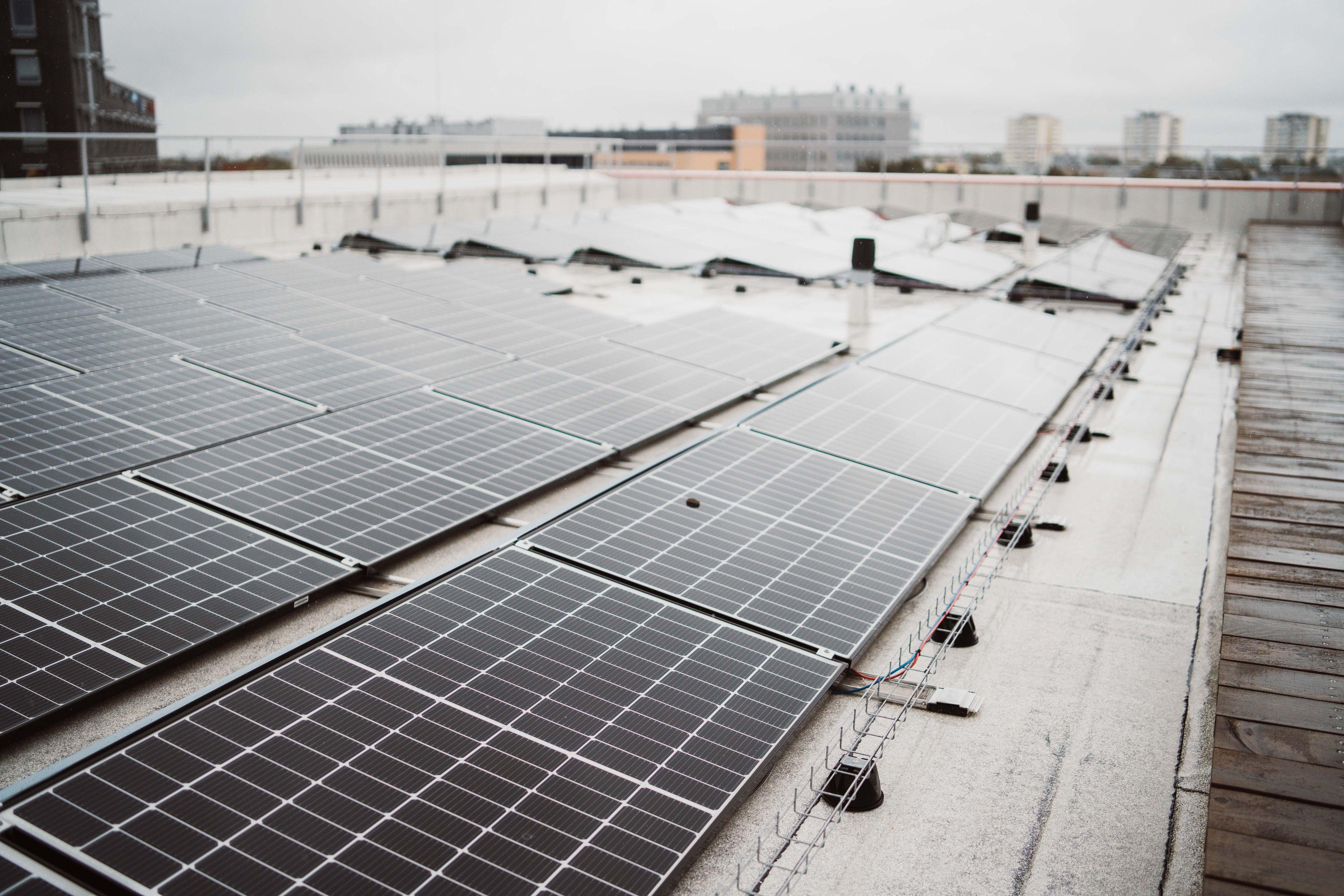
The first solar panels on TalTech’s Mustamäe campus were installed on the Ehituse Mäemaja in 2021. Since 2023, panels have been added to several other roofs across the campus. Although not all suitable surfaces have yet been covered, calculations in the climate-neutral university roadmap show that at most about 15% of the campus’s energy consumption could be produced on-site. “This means we remain highly dependent on purchased electricity and district heating, so it makes sense to consume energy sparingly,” Kurnitski notes.
In workspaces on the Mustamäe campus, the supply air temperature is kept between 20 and 21°C, according to Uska. In some rooms, users can also adjust the temperature slightly. Kurnitski also considers this a good indoor air temperature – 22°C and above already makes thinking more sluggish and promotes the spread of viruses. “For those who are particularly sensitive to cold, we have made exceptions and allowed temperatures of 23–24°C based on sensor readings,” Uska notes. However, she too recommends adjusting comfort through clothing first.
TalTech as a Climate-Smart Client
In early 2026, the U03 academic building, constructed in the 1960s and long outdated by modern standards, will undergo a full reconstruction. Both the University, as a building owner, and its researchers are searching for affordable and effective solutions. Renovating an amortised academic building into a modern facility is an excellent pilot project for testing new approaches, Kurnitski notes.
One example is an innovative ventilation system with large, low-pressure-drop ductwork that allows for simple but demand-based control. On the floor of auditoriums and study areas, indoor climate control will operate automatically 24/7 based on occupancy. “Conventional variable air volume systems are complex and often do not work as intended, while also being very expensive to build,” Kurnitski explains, justifying the need for new solutions.
As another example, he mentions quadruple-glazed windows, which were previously hard to find on the Estonian market. To participate in TalTech’s procurement, companies invested in product development and these windows are now commercially available. “The building was large enough to make the development effort worthwhile,” Kurnitski notes. In this way, the University contributes to a better future not only through improving and researching the energy efficiency of its own buildings, but also by using its purchasing power to make the local construction market more climate-smart.
The new solution also enables more efficient use of space – more workstations, but also more open areas for interaction. “We fit more in the same box,” says prof Kurnitski, describing the future building.
What Everyone Can Do to Save Energy in Buildings:
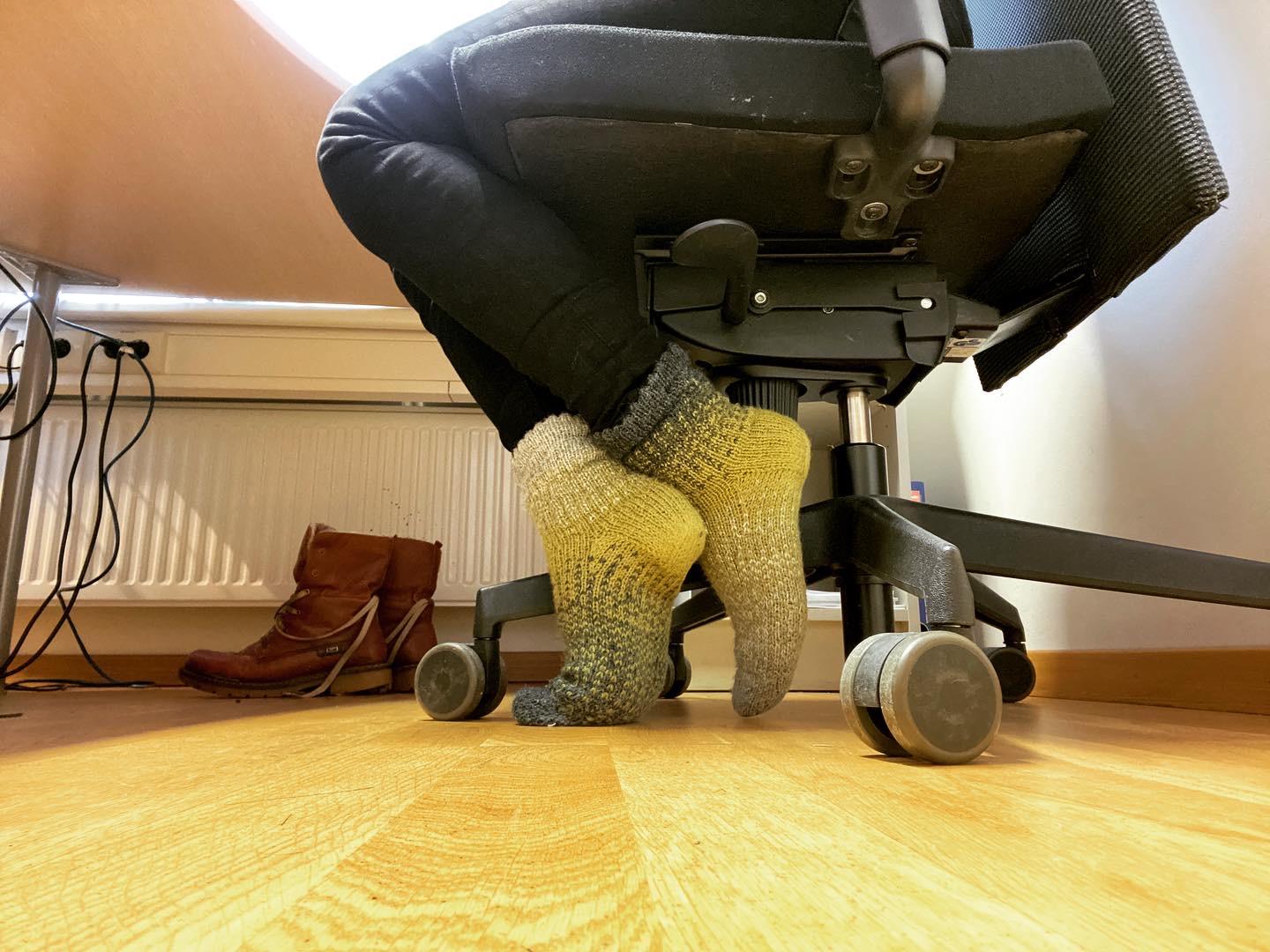
- If you feel cold or hot, start by adjusting your clothing. In winter, woollen socks and warm sweaters are appropriate; in summer, there is no need to wear a jacket. This also applies in cars.
- Allow your home to be slightly cooler in winter and slightly warmer in summer. In winter, 21°C is the optimal indoor temperature; bedrooms can be cooler.
- Sleep quality improves in a cool bedroom if you invest in a good, thick duvet. As a bonus, you’ll wake up with fresher-looking skin.
- Check doors and windows and reseal them if possible/needed.
- Using stairs instead of lifts saves building energy, keeps you warm, burns calories, improves blood circulation to the brain and tones muscles — one good deed for the environment and a fourfold win for you.
- If you tend to linger in a hot shower, play a five-minute song while showering, when the song ends, it’s time to stop.
- Switch off lights when leaving a room.
- Review the condition, settings, and habits related to your refrigerator. Perhaps the freezer doesn’t need to be that cold, maybe the appliance is iced up or perhaps you put food in while it’s still too warm.
- Maintain your heating equipment regularly, it will last longer as a result.
- Unplug devices you are not using, including chargers.
- Know your materials and choose warmer layers for winter – wool and cotton retain body heat, acrylic and polyester do not.
- The university gift shop offers hoodies, blankets, and thermoses that help you stay warm during the winter months.
- In the first week of February, we will organise Hoodie Week and a Sweater Swap. Put on your soft, warm clothes, pull on woollen socks, and feel comfortable! If you have sweaters, hoodies, or scarves sitting unused in your wardrobe, bring them to the “swap”.
- Borrow a thermal camera and see for yourself where your home’s thermal bridges are, where warm air accumulates, and which clothes keep you the warmest.
- Get a CO₂ sensor and ventilate rooms when needed. Open several windows briefly at the same time – this refreshes the air without cooling down the walls. Fresh air makes you smarter and helps you sleep better.
- Boil only as much water for tea as you actually need, not a full kettle.
- Heat electric saunas only as much as necessary.
- When ironing or baking, do more “in one go” to make use of the heat.
- Water boils at 100°C – maximum stove heat will not cook eggs or potatoes any faster than minimum needed heat.
- Eat foods that help you stay warm longer – choose spicy lentil stews, hearty soups, and rich (but fairly traded) cocoa instead of cold smoothies.
- Encourage colleagues as well and organise an energy-saving challenge together.