
While some people mark the seasons by holidays and tire changes, others follow the course of nature and the length of the day, noticing blooming, chirping, and buzzing. Liina Tabri, a lecturer at Kuressaare College and head of the marine technology program, belongs to the latter and shares her thoughts and experiences on living in rhythm with nature and observing biodiversity. In April, the focus of the “Sustainability Months” is biodiversity, and we invite everyone to notice and preserve the nature around them.
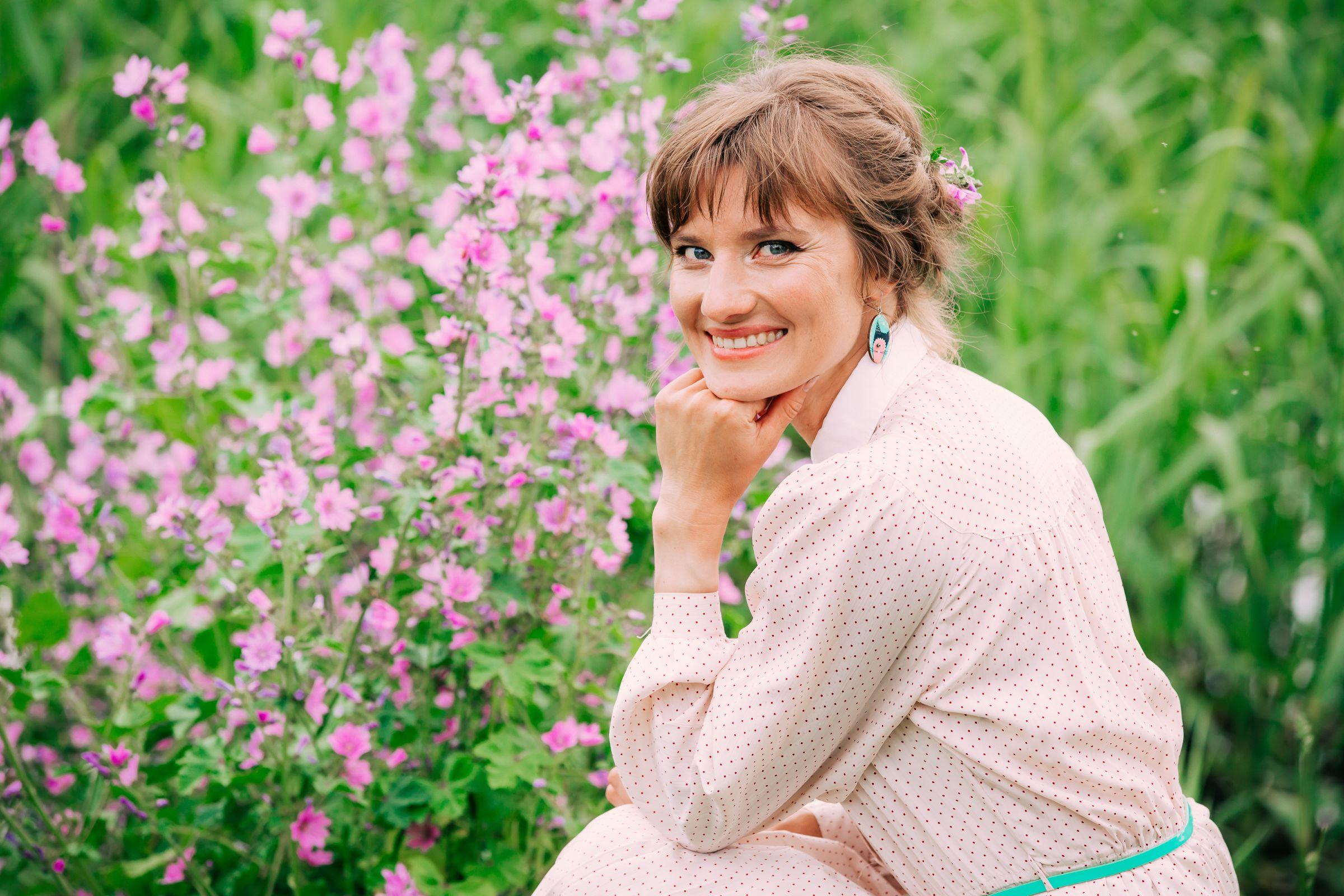
What is your everyday relationship with the surrounding nature?
For me, nature is not something separate, but an everyday living environment in which I move, work, and live. Living in the countryside makes this connection more immediate and stronger – nature is not something you have to go to separately, it is always present, sometimes it even “comes right into the house.”
I have now lived in the middle of the forest for over 10 years, and it has become such a natural part of my life that I can no longer imagine living in a city on the fifth floor of an apartment building as I once did. The spring birdsong, the rustling of wind in the pine treetops, and wild strawberries and blueberries next to the house are part of everyday life. It creates a different kind of peace and rhythm – you are more in tune with the seasons and the changes in nature.
What do you gain from paying attention to the nature around you and its changes?
It helps me perceive nature as a living and changing system, not something static. When you observe changes over time, you gain a better understanding of how it functions as well as its vulnerability. For me, biodiversity is not just a property of nature – it is also a matter of our quality of life, mental balance, and ability to adapt to the environment. That is why caring for nature is an everyday practice for me, not a separate activity or campaign.
Many people justify not going into nature because of discomfort – bad weather, inconvenience, insects, mud, and other people ruin the mood. How do you deal with these?
Nature does not have to be comfortable all the time. Discomfort is part of a real environment, and often it is a sign that you are truly present, rather than consuming nature as a comfort package. My hobby is running, and if you want to run fast, bad weather cannot be an obstacle to training – the same logic applies to being in nature. It is more a question of attitude: do I go outside for ideal conditions, or to be genuinely in contact with nature?
Give one good piece of advice to those who notice plants only in flower or grocery stores, animals only as pets, and insects as something to be controlled.
Start by noticing. Choose one specific place – for example, your home street or the nearest green area – and try to understand which species live there and how they are connected. When you realize that each species plays a role and that it is a functioning system rather than a set of random elements, your attitude will change.
Nature conservation does not begin with big slogans, but with everyday attention and small choices. If we want our cities and landscapes to be livable, we must preserve not only green spaces but also their meaningful biodiversity – because that is what determines how well these environments truly support us.