
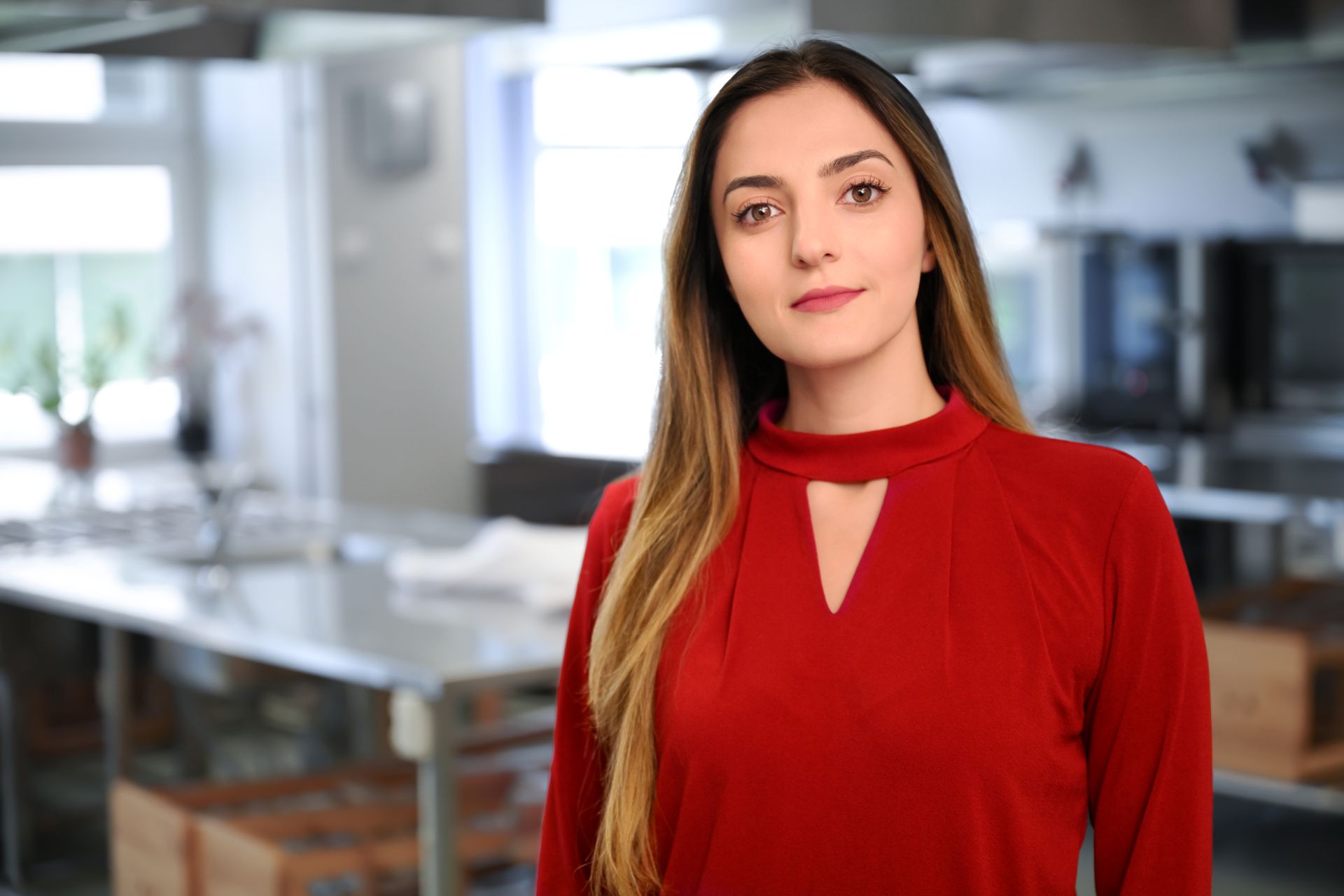
Lachinkhanim Huseynli defended her PhD at the TalTechi Department of Chemistry and Biotechnology with a dissertation titled "Flavor Potential and Limitations in Novel Protein Sources: An Integrated Sensory and Chemical Analysis Focused on Off-Flavor Identification".
We are pleased to conduct an interview with her on this occasion.
Why did you choose to focus on sensory challenges in alternative proteins, and particularly on sunflower-based ingredients?
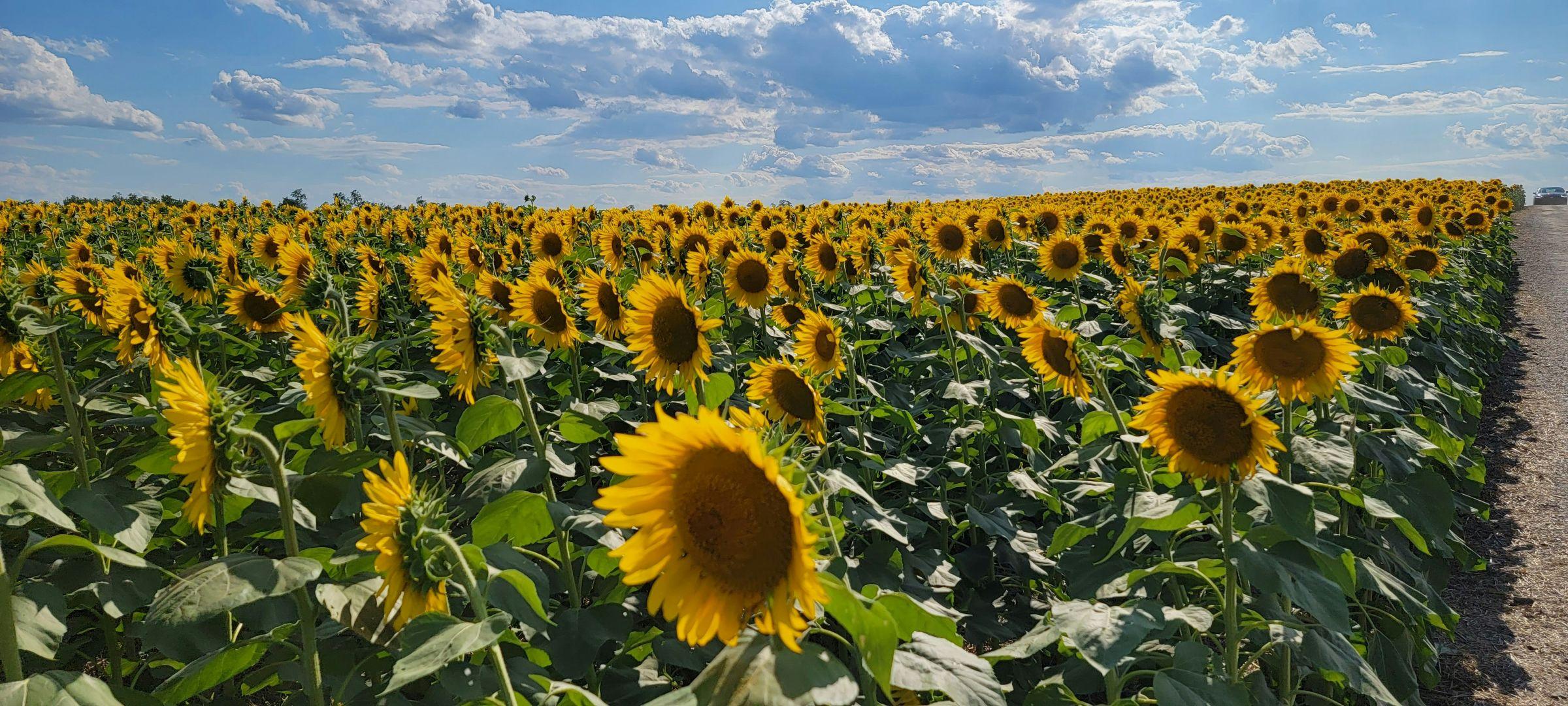
Our global population is rapidly growing, and with it, the demand for food, especially protein, is rising faster than ever. Protein is essential for human growth and health and that is why alternative proteins are often called the future of food. But here’s the challenge: many of them don’t taste very appealing, so people don’t really prefer them. And if we look at statistics, taste is the number one driver for consumers when choosing products, which makes this challenge impossible to ignore. This gap in taste keeps us heavily dependent on traditional protein sources, even though they are not good for our environment. What I’ve been doing is exploring overlooked alternatives. Why sunflower? Because almost no one had looked at it closely before. We hear a lot about soy and pea protein, but sunflower’s potential is still underexplored. The big obstacle? Its bitterness, which is exactly what we set out to tackle.
.
What do you consider the most important findings from your research?
We managed to identify the compounds that make sunflower protein sources taste bitter. For years, people would just say that sunflower protein sources have a bitter taste without knowing why. Now we know the exact molecules responsible. That’s a game-changer, because once you know the culprits you can start finding ways to reduce them, block them, or even balance them out with other flavors. In other words, we helped shift the conversation from “we have a problem” to “here’s how we can solve it.”
How could your findings help the food industry in developing more appealing plant-based protein products?
The food industry can take this knowledge and directly apply it directly to product design. Imagine making a plant-based burger, snack, or dairy alternative with sunflower protein free from that unpleasant bitter note. That means more consumers will genuinely enjoy eating these foods, not just tolerate them because they’re “healthy” or “sustainable.” It’s about making plant-based foods desirable, not a compromise.
What are your future career plans? Do you plan to continue working on this topic?
The world of flavor feels magical. I honestly feel like Alice in Wonderland every time I dive into it t- here are always new doors to open, new compounds to discover, and new sensory experiences waiting to be understood. But unlike Alice’s adventures, this magic leads to a very real outcome: creating foods of tomorrow that are more sustainable, more exciting, and more enjoyable.
That’s why I want to keep exploring flavor in sustainable foods, whether it’s working with alternative proteins, reducing salt and sugar without losing taste, or finding new ways to make “healthy” food genuinely exciting. For me, flavor is the bridge between sustainability and consumer acceptance, because without good taste, even the most sustainable innovation won’t end up on people’s plates. To put this vision into practice, we’ve launched a Food Reformulation project funded by the Estonian Research Council, and we are truly grateful that they recognized the urgency of this work. In this project, we approach flavor and food from very different angles, pushing boundaries to rethink what healthy and sustainable food can be. I’m also a strong believer in education; it’s just as important to inspire and guide the younger generation in food sustainability, because real change can only last if they carry it forward.
As for this project, I feel we’ve done our part; we’ve built a strong foundation. Now I’m ready to pass the flag to young researchers who will take it further, while I stand by their side to support and collaborate.
Could you tell us a bit about your background and what brought you to pursue your PhD at TalTech?
My curiosity has always guided me, shaping my academic journey from the very beginning. I began my bachelor’s studies in Baku and later continued through collaboration and exchange programs in eight different countries. It was one of the best decisions I ever made. Each new university – from Turkey and Italy to the Czech Republic, Poland, Latvia and Germany – offered a fresh perspective, before finally bringing me to Estonia.
By the final year of my master’s in Latvia, I knew there was still so much more to learn. Around that time, my flatmate had just returned from an internship at TalTech. She told me it was the perfect place and suggested that we both apply for a PhD there. When I saw the topic title, it was long and technical, but the word flavor caught my eye, and I thought, “That sounds cool, why not?” So, I jumped in without really knowing too much - and I got it. Looking back, I’m so glad I did, because that’s how I found my real passion for science. I stumbled into flavor science, and it was love at first sight.