
THE TECHNOLOGY EXISTS, THE COMPANY DOES NOT
BECOME A CO-FOUNDER OF A TALTECH DEEPTECH STARTUP

BECOME A CO-FOUNDER
WE ARE LOOKING FOR ENTREPRENEURIAL LEADERS WITH A CEO / CO-FOUNDER PROFILE.
At TalTech, new technologies based on scientific research are developed every year. We are looking for ways to bring these innovations to the market and unlock their full potential. We are seeking co-founders who can recognize the opportunities within science-based ideas and help turn them into real-world solutions. The role focuses on bringing research results to market and building fast-growing, science-driven startups around them.
CO-FOUNDER OPPORTUNITIES AND TERMS:
- The co-founder receives equity in a company built on years of research and development
- The ownership structure is agreed upon in collaboration with the researchers
- At the company formation stage, TalTech receives 5–10% equity in exchange for intellectual property (IP)
WHAT WE EXPECT FROM THE CO-FOUNDER:
- A clearly defined and well-justified product–market fit (target market, problem, and value proposition)
- Personal contribution to launching the company (time and/or financial investment)
- Capability to attract funding (personal investment, investors, and/or grants)
- Readiness to build a company team
APPLICATION:
- Review the technologies listed below and select the technology(ies) you would like to develop as a co-founder
- Download the slide template and complete it (you may add or modify slides if needed)
- Send the completed slides to [email protected]
WHAT HAPPENS NEXT?
If your profile matches the expectations for a potential CEO / co-founder, we will contact you to arrange a meeting and discuss co-founding opportunities.

TECHNOLOGIES READY FOR CO-FOUNDERS
HYDROMAST
Digitizing the Seafloor in Real Time. Hydromast, developed by TalTech researchers, brings the oceans online. Our innovative and cost-effective sensor network eliminates maritime “blind spots” by providing ports and offshore wind farms with critical environmental data in real time. We help make the maritime industry smarter, safer, and greener.
Preferred background of the CEO: business development in the field of biorobotics.
UBICHARGE
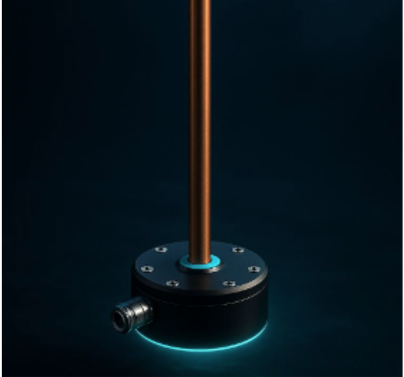
Charging the Future Through Street Lighting. Ubicharge is a greentech company that has grown out of the TalTech ecosystem, transforming urban street lighting into a multifunctional charging network. Our integrated hardware and software solution enables electric vehicles to be charged directly from streetlight poles, solving a key charging challenge for city residents without the need for costly new infrastructure. It is a scalable and smart solution that combines dynamic load management with user convenience, making electric vehicle ownership accessible to everyone, regardless of where they live.
Preferred background of the CEO: business development in the field of power electronics.

IOCBIO Gel
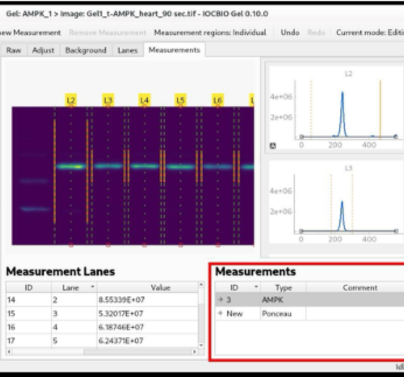
User friendly time and cost saving metadata based backtraceable software for biolabs. Enables efficient lab work involving Western Blot and similar analysis.
Preferred background of the CEO: business development in the field of biotechnology.
LignoLight
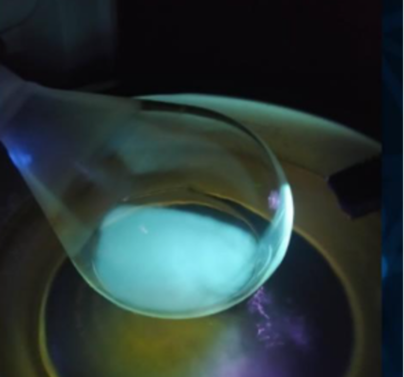
LignoLight is a carbon-based material (carbon quantum dots) produced from wood waste, more specifically from lignin, that has UV light absorption properties. It offers a more environmentally friendly and safer alternative to the UV-protection additives currently on the market, which may contain metals or are often petroleum-based. This additive can be used, for example, in food films, food packaging, or cosmetic products such as sunscreens. As carbon quantum dots are highly effective UV blockers, this solution is well suited for products that need protection from UV radiation, for example to help extend the shelf life of certain products.
Preferred background of the CEO: business development in the field of wood chemistry, cosmetics.
LignoPrint
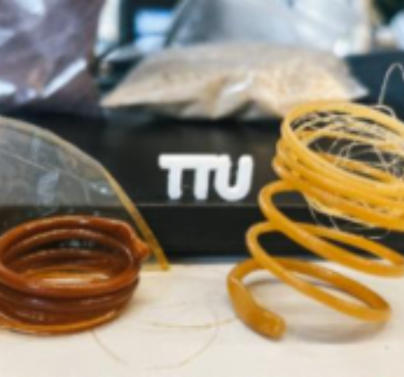
LignoPrint is a 3D printing material made from wood waste, specifically lignin, where up to 30% lignin is added to conventional PLA material. This solution is more environmentally friendly and potentially more cost-effective, as it reduces the amount of PLA required. The added lignin also improves the material’s properties, making it more heat-resistant and easier to print. The solution is designed for use in commercial 3D printers and is particularly suitable for prototyping. This material could be of interest to educational institutions as well as industries moving toward more sustainable and environmentally friendly production.
Preferred background of the CEO: business development in the field of wood chemistry, 3D-printing materials.
LignoQuat
LignoQuat is an antibacterial additive for textile coatings derived from wood waste, specifically lignin. It gives fabrics antimicrobial properties without the use of metals or toxic chemicals. The solution offers a more environmentally friendly and safer alternative to current silver- or chemical-based antimicrobial treatments used, for example, in medical and workwear textiles. Its main applications include medical textiles, protective clothing, and other hygiene materials where reducing the spread of bacteria is essential.
Preferred background of the CEO: business development in the field of antimicrobial textile, medical textiles.
3D-Optimized Magnetic Cores
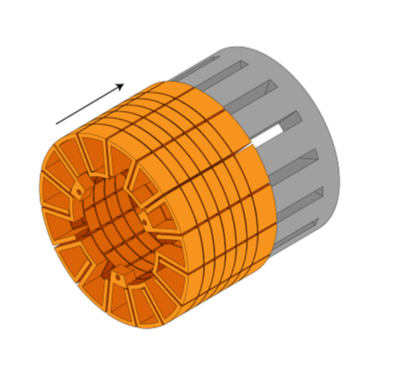
MagCore is an optimized magnetic core produced through 3D printing, enabling the use of more complex geometries than traditional manufacturing methods. This allows magnetic cores to become lighter, smaller, and more efficient. As a result, electric motors can be made lighter while improving their efficiency and increasing torque without enlarging the motor. This can extend driving range and improve acceleration. The solution is particularly well suited for electric vehicles, drones, and humanoid robots, where compact yet high-performance motors are required.
Preferred background of the CEO: business development in the field of electromechanical engineering, automotive.
NobleNano
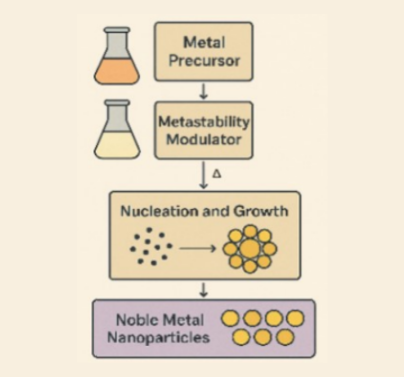
NobleNano is a technology that enables the production of noble metal nanoparticles (e.g., gold, silver, platinum, palladium, and copper) from noble metal salts faster and at lower cost than conventional methods. The solution uses a novel chemical synthesis process that operates under ambient conditions and does not require toxic reagents or complex equipment. The process is also easily scalable for industrial production. Such nanoparticles are used, for example, in medical applications (e.g., wound dressings), catalysts for fuel cells, and in electronics and energy technologies.
Preferred background of the CEO: business development in the field of industrial chemicals, materials manufacturing, healthtech.
StressSense
StressSense is a sensor-based method and technology that enables the objective measurement of human stress levels in different environments. The solution uses physiological signals (EEG, ECG, heart rate, and body temperature) to assess how urban environments or spaces affect a person’s stress level. The EEG sensor used in the method is protected by an international patent held by TalTech. This technology can be applied, for example, in urban planning, real estate development, and wellbeing research to identify stress-inducing environments and evaluate the impact of spatial solutions on people’s wellbeing.
Preferred background of the CEO: business development in the field of digital health, data platforms.

TarkBox
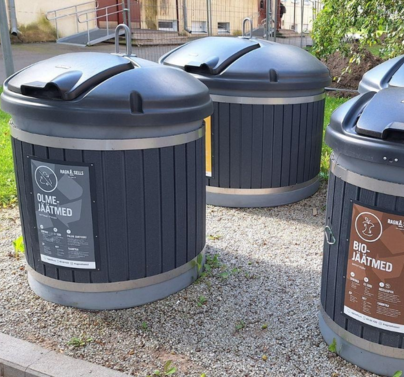
TarkBox is an IoT-based smart monitoring system for waste containers that enables real-time tracking of the fill levels of underground waste containers. The solution uses sensors installed in waste containers and a cloud platform to optimize waste collection routes and shift from schedule-based collection to demand-based service. The technology helps reduce unnecessary trips, prevent overflowing containers, and thereby lower costs and environmental impact. The solution can benefit cities, waste management companies, and housing associations. The concept is based on a comprehensive solution that won the MIMIR Deep Dive innovation competition in Helsinki, outperforming even research groups that had received development funding from Business Finland.
Preferred background of the CEO: business development in the field of smart waste IoT.
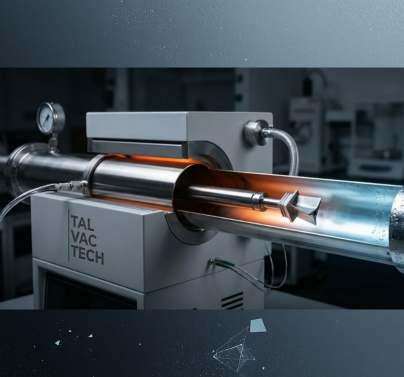
TALVACTECH
Heat treatment is a critical stage in achieving the final mechanical properties of metal products – such as strength, wear resistance, and toughness. The TalTech team offers professional heat treatment services specifically tailored for custom orders, prototyping, and small-batch production. Our focus is on vacuum heat treatment, which is essential both in traditional mechanical engineering and in metal 3D printing.
Thanks to our unique and modular vacuum heat treatment chamber, developed by our team, we offer:
- Expertise and precision: Customizable heat treatment processes up to 1100°C.
- Flexibility: Fast setup for individual components and small batches.
- Clean results: The vacuum environment ensures an oxide-free surface and preserves the precise geometry of the parts.
Preferred background of the cofounder: business development in the field of materials science, metallurgy, mechanics, metrology, thin coatings, 3D printing, heat treatment.
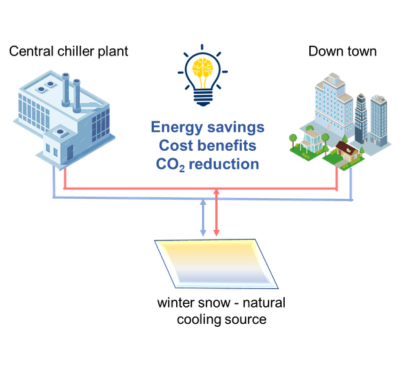
SnowShine
A software-based technological framework for modelling, optimizing, and evaluating sustainable cooling solutions based on snow storage. The solution addresses the lack of engineering and decision-support tools needed to implement snow-based cooling systems in real-world environments. The main target markets are real estate developers and district cooling providers in regions where snowy winters are common.
Preferred background of the CEO: business development in the field of energy technology
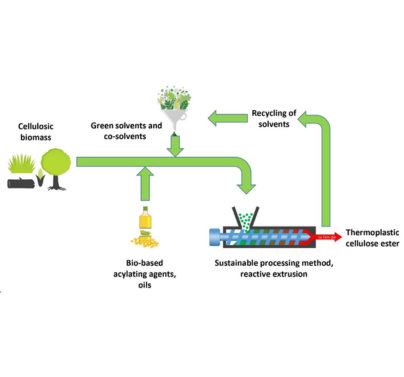
CelluMotion
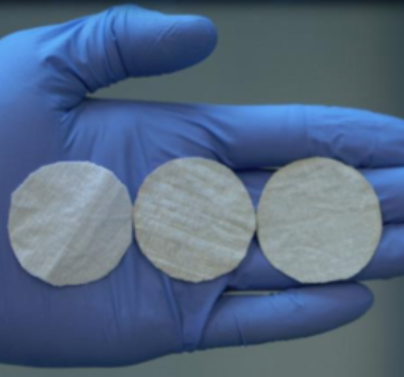
CelluMotion is developing plant-based, high-performance coatings and materials made from cellulose and plant oils as a sustainable alternative to fossil-based plastics. Its technology enables tunable properties such as permeability and protection, while supporting faster, localized, and scalable production through reactive extrusion. The project targets applications across aerospace, automotive, and drones, as well as packaging, furniture, and construction—combining sustainability with advanced material performance.
Preferred background of the CEO: experience in business development in the field of energy technology.
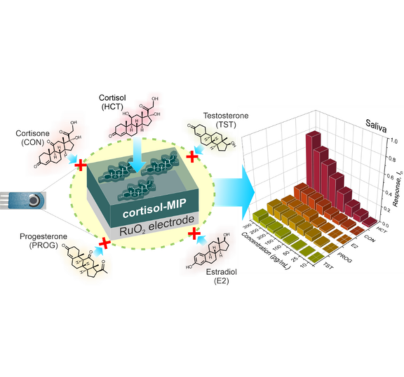
Cortisol MIP Sensor
Chronic stress is a silent driver of cognitive and physical decline, yet real-time, non-invasive monitoring remains unavailable. We are commercializing a breakthrough electrochemical sensing platform that enables point-of-care detection of key stress biomarkers – cortisol and BDNF – from non-invasive biofluids. Our proprietary molecularly imprinted polymer (MIP) technology delivers selective, repeatable measurements, allowing continuous daily stress tracking on a single chip. With strong IP protection and no direct competitors in this space, the solution opens a new market in personalized health monitoring and preventive care.
Preferred background of the CEO: experience in point-of-care sensors, electrochemistry, stress.
FREQUENTLY ASKED QUESTIONS (FAQ)
No. The CEO co-founder’s role is to find financial opportunities and funding to build the company. Whether a salary is paid depends on the co-founder and the company’s ability to secure funding.
The co-founder receives a significant equity stake in a science- and R&D-based technology startup.
This varies for each case. The equity split is agreed upon together with the founding team.
The technology and/or intellectual property transferred to the company is the property of the university. In exchange for transferring this asset, the university receives an equity stake. In addition, transferring assets free of charge is not permitted under the law.
The university acts as a minority shareholder in accordance with the law. A university representative does not sit on the company’s supervisory board.
The final decision is made by the scientists who are the authors of the technology and future co-owners of the company. To streamline the process and save researchers’ time, the Technology Transfer Office conducts the initial screening.
According to the university regulations:
3.3.1 5% equity if the technology is based on unprotected intellectual property (including software, copyrights, trade secrets, etc.).
3.3.2 7% equity if the technology includes a patent or patent application.
3.3.3 10% equity if the technology includes two or more patents or patent applications.
3.3.4 1% additional equity if a university development grant has been allocated.
3.3.5 The university and the founders of the spin-off may, as a result of negotiations, agree on an equity share different from those specified in clauses 3.3.1–3.3.4.
The intellectual property is transferred once the company has raised at least €200,000 in funding.
To provide security before funding is raised, the university signs a collaboration agreement and a license agreement with the company. These agreements specify the intellectual property to be transferred and the exact equity share to be taken by the university.
The university evaluates:
4.5.1.1 the purpose of establishing the spin-off, the planned activities, the technology to be used, and an overview of the related intellectual property;
4.5.1.2 the founders, a description of their roles and backgrounds, and the distribution of shares, including the basis for the university’s equity share;
4.5.1.3 the development plan of the spin-off and its market entry strategy;
4.5.1.4 financial forecasts, investment needs, and planned sources of funding;
4.5.1.5 where possible, feedback from potential customers or partners or the results of market validation.
4.5.2 When deciding on the establishment of a spin-off or participation in it, the following are also assessed, among other things:
4.5.2.1 the impact of the use of the university’s research and development results;
4.5.2.2 the protection of the university’s intellectual property and the conditions for its use;
4.5.2.3 strategic, financial, and reputational risks for the university.
If the terms are suitable for both parties, signing the collaboration agreement typically takes around one month.
he Innovation Readiness Level (IRL) model is a project assessment tool developed by KTH. It provides a comprehensive overview of a project’s current stage and helps plan the next development steps.
Each technology has been mapped using the KTH IRL model, giving potential co-founders a clearer understanding of the project’s current development stage.
We continuously add new technologies, so a suitable opportunity may arise later as well. If you are interested in the co-founder role, please let us know. We will keep your contact details and reach out when a technology matching your background and experience is published. Your contact information will be processed solely for this purpose.
TECHNOLOGIES AVAILABLE FOR LICENSING
TalTech researchers are developing new and innovative solutions that have the potential to shape the world of tomorrow. Below is a selection of technologies that are available for licensing and ready for industrial application.
A method for producing a low ash content lignin from Kraft lignin
Suggested uses: low ash content kraft lignin, carbon fiber production, carbon fiber reinforced polymer composites, anode materials

Modular, dual-tone piezoelectric CogniFlow micropump and driver for low-cost, portable droplet generation
Suggested uses: droplet microfluidics, droplet generation, droplet digital PCR, hydrogel microcapsule generation, high-throughput screening

BIO-INSPIRED LEGGED ROBOT FEET
Suggested uses: sensitive environmental monitoring, agriculture, disaster response, mines, sewages.

FishTube - Real-Time AI-Based Underwater Camera System
Suggested uses: hydropower plants, environmental agencies, research institutions, NGOs and conservation projects
