
Biodiversity is as essential to humans as clean air, water, and food – in fact, it is biodiversity that ensures we have clean air, water, and food. However, this is one area where we have exceeded the planet’s limits of tolerance. That is why, in April, the focus of the Tallinn University of Technology’s Sustainability Months is biodiversity – where, how, and why we can support it.
Text: Mari Öö Sarv, coordinator of the Green Theme Months, and Üllar Rammul, lecturer at the Institute of Chemistry and Biotechnology | Photos: Mari Öö Sarv, private collection
Biodiversity is part of a vicious cycle – climate change reduces biodiversity, the loss of biodiversity amplifies climate change, which in turn further reduces biodiversity, and so on. To cope with climate change, biodiversity must not only be preserved but also restored and increased.
Biological diversity, or biodiversity, refers to the diversity of species, genes, and habitats that ensures the functioning of ecosystems and their ability to adapt to changes, including pressures from human activity. All three levels of biodiversity are important: species diversity, shaped through evolution and providing various resources for humans; genetic diversity, which ensures the survival of species, resistance to diseases, and adaptation to changing environmental conditions; and ecosystem diversity, which ensures nutrient cycles and ecosystem services such as water purification.
Hundreds of thousands, perhaps millions of species can manage perfectly well without humans, but Homo sapiens sapiens cannot cope without other species, as Aleksei Turovski has explained regarding the relationship between humans and biodiversity. Biodiversity and functioning ecosystems are needed not only to protect nature but for the benefit of humans. Functioning ecosystems provide people with essentials for life, from water, air, food, and fuel to materials and opportunities for recreation in nature. Some examples (WHO): functioning ecosystems provide 75% of the world’s freshwater resources, and wetlands play a key role in water purification, yet 35% of wetlands have been lost since 1970. More than 50% of modern medicines are derived from natural sources, including antibiotics from fungi and painkillers from plant compounds.
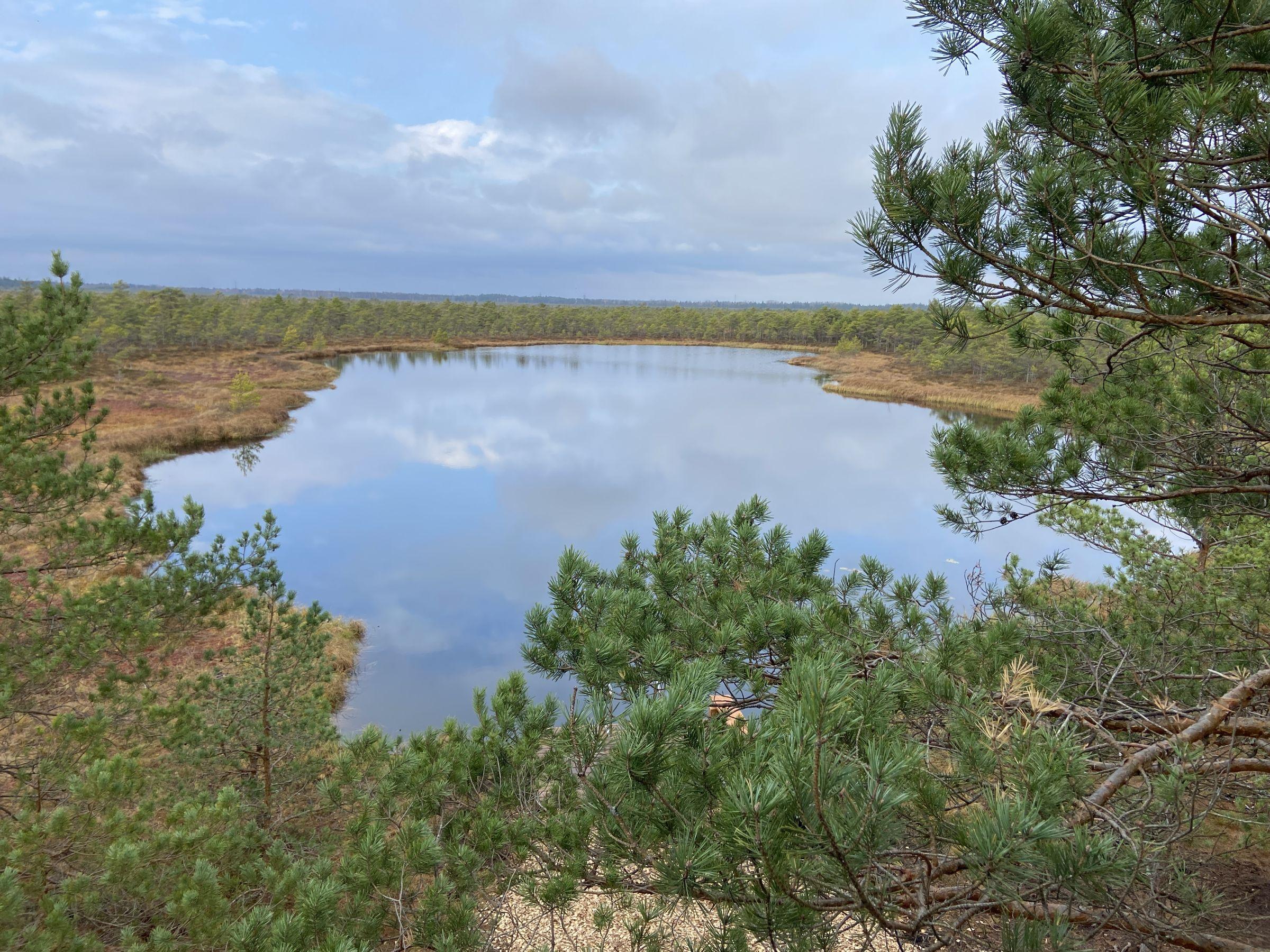
Terrestrial and ocean ecosystems absorb 60% of human-caused greenhouse gas emissions and are the planet’s only way to sequester CO₂ on a large scale. At the UN, more than 200 countries agreed to place 30% of the planet under protection – read here 12 reasons why. Currently, 19.4% of Estonia’s land and 27% of its territorial sea are under protection.
Despite conservation efforts, the state of Europe’s nature has continued to deteriorate, and existing conservation measures are no longer sufficient. Only 15% of protected habitats in the EU are in good condition, and species populations are declining. Pollinators, such as butterflies and bees, are particularly affected, and supporting biodiversity can start with them. For this reason, the European Council has adopted a Nature Restoration Regulation to restore ecosystems, habitats, and the species that live in them.
Multiple benefits of diverse nature
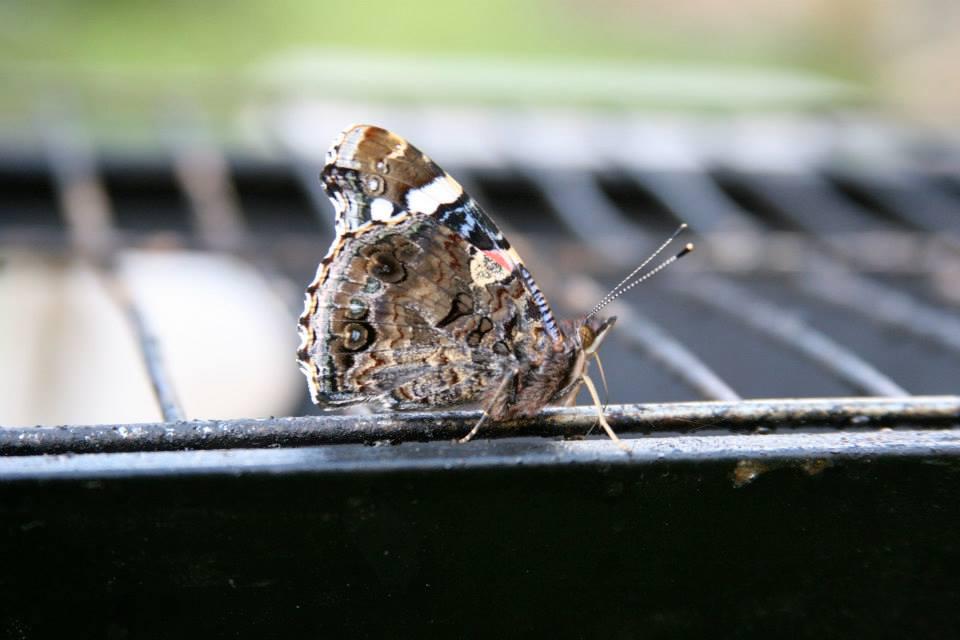
Intensive forestry and agriculture reduce biodiversity and, along with it, the benefits nature provides. For example, frequent mowing is not suitable for pollinators, which play an important role in our ecosystem. Flowering plants need bumblebees, bees, and butterflies to reproduce, and without them many plants essential to the human diet cannot bear fruit. However, every third species of bee and butterfly in Europe is in decline, and one in ten is at risk of extinction. About half of EU regions where pollinator-dependent crops are grown do not provide suitable conditions for pollinators, such as nesting sites.
For a long time, it was customary in cities to mow lawns uniformly short, and large, smooth green areas were considered a kind of standard of urban natural beauty. Now, however, the trend is shifting toward leaving areas unmowed. Less frequent mowing brings more flowering, less scorched grass, and a greater variety of insects and other invertebrates, which in turn provide food for birds, and so on. Taller and more diverse greenery also helps keep the soil moist and urban air cooler, while trees offer shade to people during summer heat, protecting them from overheating. Tall grass provides habitats for birds and small animals, including natural enemies of ticks. (Ticks themselves can thrive even in closely cut lawns, and what would actually help reduce them are colder winters, which are becoming rarer due to climate change.) Unlike paved areas, green spaces also absorb rainwater—and in light of the increasing frequency of heavy rainfall caused by climate change, this plays an important role.
According to Tallinn’s latest satisfaction survey, two-thirds (65%) of residents believe that plants should be allowed to grow in lawn areas. Only about half of these areas should be mowed, depending on their use—for example, keeping picnic and play areas shorter. Invasive species should also be controlled. A similar approach can be taken in home gardens: mow areas with more activity and allow nature to take its course in the rest of the garden, limiting only problematic invasive species.
But what about the economy?
According to the WHO, more than 75% of global agriculture—and thus our food supply—depends on pollinators, amounting to 235–577 billion US dollars annually. Between 1970 and 2024, global GDP increased thirtyfold, while the Living Planet Index, which reflects the state of biodiversity and ecosystem functioning, declined by over 70%, and the global temperature rose on average by about 0.2°C per decade. So far, global economic development has been inversely related to the preservation of the planet’s biodiversity, and according to the World Economic Forum, nearly half of the world’s GDP depends on the natural environment and its resources.
Moreover, GDP does not account for all natural resources—they only become part of the “economy” once they are turned into money. In other words, the destruction of rainforests does not appear as a negative in GDP, but generates “profit” when forests or land are monetized. Biodiversity is lost, the economy “wins”—but what has it really gained? According to the UN biodiversity platform IPBES (2024), the unaccounted costs of current economic activities, including the impacts of biodiversity loss, amount to at least 10–25 trillion US dollars per year.
Thus, it is not possible to say which is more important, the economy or nature, because the economy can only function by taking biodiversity into account. And fitting economic activity within the planet’s limits is precisely what humanity has so far failed to achieve.
What everyone can do for biodiversity
- Plant native species in your garden or on your balcony for the summer. They support insects, birds, and other animals much better than exotic ornamental plants. Explore the biodiversity-friendly landscaping catalogue here.
- In spring, keep an eye on the “Frogs on the Move” volunteer page and, when frogs begin migrating, go help them!
- Find interesting volunteer opportunities for your holidays or weekends in the Estonian Fund for Nature’s volunteer calendar (updated regularly!).
- If you own a forest, leave all or part of it entirely to nature. A forest is more than just standing trees—it is a living environment.
- If you have a lawn, delay the first mowing – try “No Mow May”!
- Leave part of the lawn unmowed and/or sow native meadow plants there, providing food and habitats for many species, including pollinators.
- When you do mow, do not cut lower than 6–8 cm, helping to retain soil moisture and support soil life.
- If you have asphalted areas, consider at least partially replacing them with greenery. For example, plant some local (fruit) trees to provide shade in parking areas or add native flowers to a flowerbed next to a bench.
- Contribute to combating invasive species. Read more here.
- Contribute to monitoring and take part in nature observations.
- Avoid using pesticides and chemical fertilizers in your garden, as they harm pollinators, soil life, and water bodies.
- By preferring local and organically produced food, you help reduce the environmental impact of agriculture.
- 2026 is the Year of Small Islands. Estonia has over 2,300 islands, and the Estonian Fund for Nature invites you to experience their charm: take part in volunteer work, observe birds, gather herbal plants, unwind—and breathe in rhythm with nature.
What we can do together at TalTech
- Explore the biodiversity of TalTech’s Mustamäe campus here.
- Discover the biodiversity of the Mustamäe campus forest through guided tours:
- a forest life tour with nature guide and traveler Hendrik Relve on April 21 at 17:30. Register here.
- a tour of the Iisaku stream with freshwater ecologist Jürgen Maidla on April 23 at 17:30. Register here.
- a birdsong tour with amateur ornithologist Peep Veedla on April 28 at 17:30. Register here.
- On April 22, Earth Day, the Climate Collage game will take place at the Student House. This internationally popular game helps participants understand climate change, its causes, and consequences. Read more here and sign up!
Participation in all events is free, but registration is required as places are limited!